Prediabetes: 5 Shocking Ingredients That Spike Blood Sugar
In today’s fast-paced world, our food choices often lean toward convenience over quality and this subtle shift may be quietly fueling a hidden epidemic: prediabetes. We’re living in a time where grabbing a packaged snack or opting for ready-to-eat meals feels easier than cooking from scratch, but this convenience often comes with a cost.
Prediabetes, although not yet at the threshold of Type 2 diabetes, is a significant metabolic red flag that signals your body is struggling to manage blood sugar effectively. What’s even more alarming is that many of the ingredients contributing to this condition are far from obvious. They’re not just in desserts or sugary drinks; they’re hidden in everyday staples that most people assume are safe cereals, breads, dressings, spreads, flavored yogurts, and even so-called “health foods.”
These products often contain refined sugars, artificial sweeteners, emulsifiers, synthetic preservatives, and low-quality fats that quietly disrupt metabolism, impair insulin sensitivity, and elevate inflammation over time. This lack of transparency in packaged foods means millions may be unknowingly consuming harmful additives daily, making it even more crucial to understand what’s really inside the foods that line our grocery shelves.
Table of Contents
The Hidden Epidemic: Why Prediabetes Is on the Rise
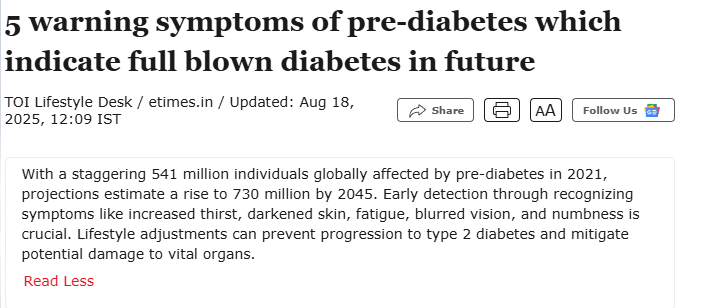
Prediabetes is more common than you might think. A 2024 meta-analysis of low- and middle-income countries found a very high burden of prediabetes. Meanwhile, a systematic review in Latin America showed that prevalence varies widely, some studies reported rates over 30%, depending on diagnostic criteria. Globally, more than half of countries don’t even have high-quality data on impaired fasting glucose or impaired glucose tolerance.
In other words: prediabetes is widespread, creeping into populations around the world, especially where diets are shifting toward ultra-processed foods and unhealthy additives.
They highlight symptoms like:
~ Increased thirst
~ Darkened or discolored skin
~ Fatigue
~ Blurred vision
~ Numbness
These are alarming because many people with prediabetes don’t even notice these signs, yet the condition silently damages organs over time.
🧪 A 2024 meta-analysis reported a high burden of prediabetes in low- and middle-income countries, emphasizing that prevalence continues to rise due to increasing consumption of ultra-processed foods and sedentary lifestyles.
How Everyday Ingredients May Fuel Prediabetes
Let’s pull back the curtain on 5 surprising ingredients in common foods, ingredients people often overlook that may contribute to prediabetes risk.
- Artificial Sweeteners
- Refined Carbohydrates & Hidden Sugars
- Emulsifiers & Stabilizers
- Preservatives / Nitrates
- Flavor Enhancers & Additive Cocktails
5 Surprising Ingredients That Spike Blood Sugar
1. Artificial Sweeteners: Sugar-Free Doesn’t Mean Risk-Free
Artificial sweeteners such as aspartame, sucralose, saccharin, neotame, acesulfame-K, and more recently introduced high-intensity sweeteners promise guilt-free sweetness. But research is increasingly showing that these compounds may come with unintended metabolic consequences.
How They Affect You
- Disrupt gut microbiota
- Alter glucose metabolism
- Trigger insulin release
- Increase cravings for sugary foods
- Interfere with satiety signals
🧪 Recent research shows artificial sweeteners disrupt metabolic health by altering gut microbiota, reducing metformin effectiveness in prediabetic children, and impairing hormones like GLP-1 and PYY that regulate insulin and hunger.
The takeaway? Artificial sweeteners aren’t metabolically “neutral.” Even in calorie-free form, they may trigger biological responses that elevate the risk of prediabetes.
2. Hidden Sugars and Refined Carbohydrates: The Silent Spike Makers
While we all associate sugar with sweets and desserts, many hidden sugars lurk in foods marketed as healthy.
Where They Hide
Breakfast Essentials: Frequently laced with preservatives like BHT (INS 321) and BHA (INS 320), many options also contain sugars such as High Fructose Corn Syrup (HFCS), Dextrose, and Maltodextrin, along with artificial sweeteners like Aspartame and Acesulfame-K. Synthetic flavor enhancers like MSG and HVP add to the list.
Jellies, Jams, and Spreads: These can include preservatives like Propyl Gallate (INS 310) and Sulfites (e.g., INS 222, INS 225, INS 226). Additionally, many spreads use refined oils, artificial flavors, and animal-derived gelatin, raising concerns for those seeking clean, plant-based options.
Cereals and Muesli: Packaged cereals are often made from refined flour (Maida) or instant oats containing added sugars and additives. Fats like hydrogenated oils and vegetable shortenings further reduce their health quotient.
Salad Dressings and Condiments: While appearing healthy, these often hide refined sugars, processed jaggery, and additives like HFCS and artificial sweeteners. Some also lack the natural fermentation benefits of unpasteurized apple cider vinegar with “the Mother.”
Bread and Bakery Products: Packaged bread frequently contains artificial seasonings, propylene glycol (E405), and sweeteners like cyclamate (INS 952) and adulterated maple syrup. Many baked goods rely on low-quality oils like palmolein, cottonseed oil, and vegetable shortening, further contributing to poor health outcomes.
Dips and Sauces: Ketchup, barbecue sauce, and dressings often contain a cocktail of refined sugars, HFCS, maltodextrin, and flavor additives like propylene glycol of fatty esters and L-Glutamic acid.
These products often contain:
- High Fructose Corn Syrup (HFCS)
- Dextrose
- Maltodextrin
- Glucose syrup
- Artificial sweeteners
- Sugary “jaggery-based” processed sweeteners
And the issue doesn’t end with sugars. Refined carbohydrates such as white bread, biscuits, pastries, and instant noodles break down rapidly into glucose, causing dramatic blood sugar spikes.
🧪 A 2024 study found that individuals with prediabetes had significantly lower gut microbial diversity with higher harmful genera, while a 2024 meta-analysis showed that low-fiber, high-glycemic foods further worsened these changes by increasing post-meal glucose spikes and reducing insulin sensitivity.
3. Emulsifiers and Stabilizers: The Silent Saboteurs in Ultra-Processed Foods
Emulsifiers are added to foods to maintain texture, improve shelf life, and enhance mouthfeel — but they may also worsen glucose control.
Common Emulsifiers
- Polysorbate 80
- Carboxymethyl cellulose (CMC)
- Mono- and diglycerides
- Lecithins
- Gums and synthetic stabilizers
These emulsifiers can:
- Disrupt gut barrier integrity
- Trigger chronic inflammation
- Alter microbial composition
- Promote overeating by disturbing satiety cues
🧪 Multiple reviews from 2024–2025 show that common emulsifiers including polysorbate 80 and carboxymethyl cellulose can increase gut permeability, reduce beneficial bacteria and short-chain fatty acid production, and trigger inflammation, collectively driving insulin resistance and features of metabolic syndrome.
Given the gut’s central role in metabolic health, emulsifiers may quietly contribute to prediabetes over time.
4. Preservatives & Sodium Nitrates: The Processed Meat Problem
Processed meats like sausages, salami, and deli slices often contain sodium nitrates and nitrites, preservatives that enhance color and prevent bacterial growth. However, these additives can generate nitrosamines, compounds linked to inflammation and oxidative stress.
Metabolic Impact
- Increased oxidative stress
- Beta-cell damage
- Reduced insulin sensitivity
- Elevated inflammatory markers
🧪 A 2024 mechanistic review showed that nitrates trigger oxidative stress that damages pancreatic beta-cells, while a 2025 dietary analysis linked higher processed-meat intake, a major nitrate source, to increased prediabetes risk, especially in low-fiber diets.
While more data is needed, the link between processed meats and poor metabolic outcomes is increasingly undeniable.
5. Additive Cocktails and Flavor Enhancers: The Hidden Combinations
Food manufacturers don’t just use one additive they combine dozens to create hyper-palatable, shelf-stable foods.
These hidden mixes may include:
- MSG (Monosodium glutamate)
- HVP (Hydrolyzed vegetable protein)
- Flavor esters
- Propylene glycol derivatives
- Artificial colors and scents
Individually, many additives may be considered “safe,” but in combination, their effects may amplify.
🧪 A 2024 in-vitro study demonstrated that additive mixtures caused greater gut microbiota disruption than individual additives alone, emphasizing synergistic metabolic harm, while a 2025 exploratory analysis linked diets high in additive mixtures to greater glucose variability, a significant predictor of metabolic dysfunction.
Combined additive exposure is now considered a growing factor in metabolic disease progression.
Easy Swaps for a Healthier Plate
Taking small steps can have a big impact on reducing your risk of prediabetes. Here are some simple swaps:
Try these swaps:
- Replace sugary drinks with infused water or herbal tea
- Choose whole grains (brown rice, quinoa, millet) over white bread or maida products
- Make homemade salad dressings using lemon juice, herbs, and cold-pressed oils
- Snack on nuts, seeds, or fresh fruit instead of packaged snacks
- Use raw honey, dates, or minimal jaggery in place of refined sugars
- Reduce consumption of sausages, processed meats, and ready-to-eat foods
These small changes collectively reduce inflammation, stabilize blood sugar, and support gut health.
Check out Pink Tiger Verified Products
Advocating for Transparency with ThinkPink
Navigating the food aisle can feel overwhelming, especially with misleading labels like “low-fat” or “no sugar added.” This is where initiatives like the ThinkPink Movement step in. ThinkPink champions transparency in labeling, empowering consumers to:
- Clearer ingredient labeling
- Disclosure of hidden additives
- Accountability from food manufacturers
- Consumer awareness and education
- A shift away from harmful additives toward clean formulations
Supporting such initiatives amplifies your voice as a consumer and encourages cleaner, safer food systems.
By joining ThinkPink Movement, you become part of a collective effort to reshape the marketplace and advocate for a future free from harmful additives.

Final Takeaway
Prediabetes is a preventable condition, but only if we recognize the hidden dietary triggers that fuel it. From artificial sweeteners and emulsifiers to nitrates and addictive flavor enhancers, many culprits hide in plain sight inside everyday foods we consider “normal.”
The latest research from 2024–2025 makes one thing clear: What you eat shapes your gut, your metabolism, and your future risk of diabetes.
By becoming more label-savvy, choosing whole ingredients, and advocating for transparent food standards, you can drastically reduce your risk and inspire healthier choices in your community.
One step. One swap. One conscious choice at a time.
Frequently Asked Questions (FAQs)
1. What is prediabetes, and how is it different from diabetes?
Prediabetes is a metabolic warning stage where your blood sugar levels are higher than normal but not high enough to be considered Type 2 diabetes. The body begins to show early signs of insulin resistance, meaning your cells are not efficiently using insulin to process glucose. Unlike diabetes, prediabetes is highly reversible through targeted changes in diet, physical activity, sleep, and stress management. The key difference lies in timing, intervening during prediabetes prevents long-term complications like nerve damage, heart disease, and kidney issues that typically arise once diabetes sets in.
2. Can hidden ingredients in packaged foods really contribute to prediabetes?
Absolutely. Hidden sugars, emulsifiers, synthetic preservatives, refined oils, and artificial sweeteners are far more common in packaged foods than most people realize. These ingredients influence the body in multiple ways, they elevate inflammation, alter gut microbiota, spike blood sugar rapidly, and overload the liver. Foods marketed as “healthy” like cereals, protein bars, salad dressings, and spreads often contain multiple forms of sugar and ultra-processed additives. Over time, this daily exposure leads to frequent glucose spikes and declining insulin sensitivity, increasing the likelihood of developing prediabetes.
3. Are artificial sweeteners actually safer than sugar?
It’s a common belief that artificial sweeteners offer a healthier alternative to sugar, but emerging research challenges this assumption. While they don’t provide calories, sweeteners like aspartame, sucralose, and saccharin can still influence metabolic pathways. They interact with the gut microbiota, alter hunger hormones such as GLP-1, and may even trigger insulin release despite having no sugar content. These disruptions can lead to cravings and make it harder to regulate blood sugar. Artificial sweeteners may be useful in certain short-term scenarios, but relying on them daily may do more harm than good for long-term metabolic health.
4. Can prediabetes be reversed through food alone?
Food plays the most powerful role in reversing prediabetes because every meal directly influences insulin sensitivity, post-meal glucose spikes, inflammation levels, and gut microbiota, all core drivers of metabolic health. However, while a nutrient-dense, low-sugar, low-additive, whole-food diet can create dramatic improvements, complete reversal often requires more than nutrition alone. Regular movement enhances glucose uptake by muscles and reduces the body’s dependence on insulin, sleep helps restore hormonal balance that regulates appetite and blood sugar, and effective stress management prevents excess cortisol from pushing glucose levels higher. When these elements work in synergy with food as the foundation, the body can often restore healthier glucose regulation within weeks, and many individuals achieve full reversal of prediabetes within a few months through consistent, supportive lifestyle habits.
5. Is reading food labels really helpful in preventing prediabetes?
Yes, reading food labels is one of the most effective and empowering ways to prevent prediabetes because it helps you understand exactly what goes into your food and how those ingredients may impact your blood sugar over time. Most packaged foods contain hidden sugars such as high-fructose corn syrup, dextrose, maltodextrin, invert syrup, and glucose solids, all of which are absorbed rapidly and can cause sharp glucose spikes. Labels also reveal the presence of poor-quality fats, vegetable shortening, which are known to impair insulin sensitivity. Beyond sugars and fats, many products include artificial sweeteners, synthetic preservatives, flavor enhancers, and emulsifiers, additives that research increasingly links to gut imbalance, inflammation, and metabolic dysregulation. Reading labels also helps you see through misleading marketing phrases like “natural,” “low-fat,” “no sugar added,” or “multigrain,” which often disguise the presence of refined flours, artificial ingredients, and hidden sweeteners. By developing the habit of scanning ingredient lists rather than relying on front-of-pack claims, you can make informed choices, avoid the major culprits behind blood sugar instability, and significantly reduce your long-term risk of prediabetes.
Disclaimer: This content is for informational purposes only and not a substitute for professional medical advice. Always consult a healthcare provider before making dietary changes, especially if you have existing health conditions.
References:
1. Joseph, A., Sewor, C., Kodapally, B. et al. The burden of prediabetes in low- and middle-income countries: a systematic review and meta-analysis. Eur J Clin Nutr 79, 827–846 (2025). https://doi.org/10.1038/s41430-025-01578-1
2. Vera-Ponce, V.J., Loayza-Castro, J.A., Zuzunaga-Montoya, F.E. et al. Prevalence and incidence of prediabetes in Latin America. A systematic review and meta-analysis. J Diabetes Metab Disord 24, 25 (2025). https://doi.org/10.1007/s40200-024-01549-6
3. Mary R. Rooney, Michael Fang, Katherine Ogurtsova, Bige Ozkan, Justin B. Echouffo-Tcheugui, Edward J. Boyko, Dianna J. Magliano, Elizabeth Selvin; Global Prevalence of Prediabetes. Diabetes Care 1 July 2023; 46 (7): 1388–1394. https://doi.org/10.2337/dc22-2376
4. Feng, J., Peng, J., Hsiao, Y.-C., Liu, C.-W., Yang, Y., Zhao, H., Teitelbaum, T., Wang, X., & Lu, K. (2024). Non/Low-Caloric Artificial Sweeteners and Gut Microbiome: From Perturbed Species to Mechanisms. Metabolites, 14(10), 544. https://doi.org/10.3390/metabo14100544
5. Ismail, E., Chi, X., Bhatta, M., Hosford, J., & Bernier, A. (2025). The Impact of Artificially Sweetened Drinks on Metformin Efficacy. Nutrients, 17(5), 797. https://doi.org/10.3390/nu17050797
6. Begum RF, Nirenjen S, Rushendran R, Manisha M, Pavithra N, Sridevi S and Singh SA (2025) Exploring the impact of artificial sweeteners on diabetes management and glycemic control. Front. Nutr. 12:1587690. doi: 10.3389/fnut.2025.1587690
7. Chang, W.-L., Chen, Y.-E., Tseng, H.-T., Cheng, C.-F., Wu, J.-H., & Hou, Y.-C. (2024). Gut Microbiota in Patients with Prediabetes. Nutrients, 16(8), 1105. https://doi.org/10.3390/nu16081105