Kidney Health : 10 Powerful Ways to Protect it Naturally
Kidneys are among your body’s most important yet underrated organs. While the heart and brain grab attention, your kidneys quietly perform crucial tasks that keep your body in balance every day. They filter blood, regulate electrolytes, balance fluids, manage hormones, support bone health, and help control blood pressure. Though these functions are vital, many people take kidney health for granted until problems arise.
In 2025, kidney disease continues to be a global health challenge, affecting millions worldwide with often silent progression and limited early symptoms. That’s why proactive steps grounded in science are essential to protect your kidneys and support long-term wellbeing.
This detailed guide explains 10 powerful, science-supported ways to support your kidneys naturally, no trendy detox cleanses, no quick fixes, just evidence-based habits you can adopt now.
Table of Contents
Kidney Health : 10 Powerful Ways to Protect it Naturally
1. Know Your Kidney Status: Essential Tests You Should Get
A strong foundation of kidney health begins with knowledge. Two simple medical tests can detect early signs of kidney stress or disease before symptoms show:
Urine Albumin-Creatinine Ratio (uACR)
- Measures the amount of albumin (a blood protein) in the urine.
- Normally, albumin doesn’t pass into urine — if it does, it can signal that kidney filtering units are damaged.
Estimated Glomerular Filtration Rate (eGFR)
- A blood test indicating how well your kidneys filter waste.
- Lower eGFR values suggest reduced kidney function.
Tracking both uACR and eGFR regularly allows early detection of dysfunction and timely medical intervention. UACR and eGFR are recommended measures in clinical practice for diagnosing kidney disease worldwide.
2. Choose a Kidney-Friendly Diet
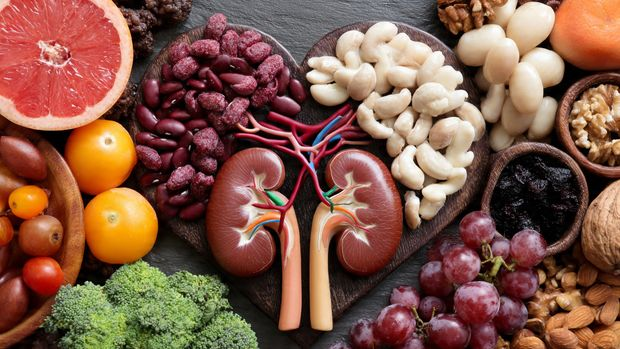
What you eat directly affects your metabolic load and the workload on your kidneys.
A strong body of research emphasizes that overall dietary quality matters more than specific “detox” foods. A high-quality diet reduces inflammation, supports balanced blood sugar, and helps maintain healthy blood pressure, all factors that protect kidney filtering units.
Proven dietary strategies for kidney health
Whole foods over processed foods: Ultra-processed foods burden your metabolism and increase oxidative stress.
Plant-forward eating: Diets rich in vegetables, fruits, and plant proteins are linked with lower risk of chronic kidney disease.
Mediterranean-style diet: Studies show it slows kidney function decline, especially in people with diabetes and obesity, when compared to low-fat diets.
DASH eating pattern: Research suggests the DASH diet (rich in fruits and vegetables, low in saturated fat and sodium) supports healthy blood pressure, a key factor in preventing kidney damage.
Foods often highlighted for kidney support include:
- Antioxidant-rich choices like blueberries and red bell peppers
- Garlic and onions for inflammation modulation
- Citrus fruits for vitamin C and circulation
Remember: if you already have advanced kidney disease or potassium imbalances, dietary choices may need personalization by a renal dietitian.
3. Hydrate Right (Not Excessively)
Proper hydration is one of the most straightforward habits for supporting kidney function. Water helps your kidneys flush waste products and maintain balanced electrolytes. Strong observational data suggests that higher water intake is associated with lower rates of chronic kidney disease and albuminuria (protein in urine).
Hydration tips
- Aim to drink water consistently throughout the day.
- Pale yellow urine is generally a good sign of adequate hydration.
- Avoid extreme intake; too much water can dilute electrolytes and strain the kidneys.
- Ensure clean, contaminant-free water to reduce burden on kidneys.
Hydration isn’t just about quantity; quality and consistency matter most.
4. Make Movement a Habit (Not an Afterthought)
Physical activity isn’t just good for your heart, it’s essential for your kidneys too. Exercise improves circulation, supports blood pressure regulation, and enhances insulin sensitivity, all of which help protect kidney function.
Research published in Nature Reviews Nephrology in 2025 highlights the role of regular physical activity in maintaining kidney health and reducing disease progression.
Exercise tips for kidneys
- Strive for at least 150 minutes of moderate exercise per week.
- Brisk walking, swimming, cycling, yoga, and strength training are excellent options.
- Even low-impact exercise sessions can yield benefits over time.
Consistent movement supports both metabolic health and kidney resilience.
5. Manage Blood Pressure and Blood Sugar Carefully
Uncontrolled hypertension and diabetes are the top causes of chronic kidney disease worldwide. These conditions damage the tiny blood vessels in the kidneys, impairing their ability to filter properly.
High blood pressure squeezes kidney filters.
When blood pressure remains consistently high, it puts excessive force on the tiny blood vessels inside the kidneys that act as natural filters. Over time, this pressure damages and narrows these delicate structures, reducing their ability to filter waste efficiently. As kidney health declines, fluid and sodium balance becomes impaired, which can further raise blood pressure, creating a harmful cycle. Managing blood pressure through diet, movement, stress reduction, and timely medical care is therefore essential for preserving long-term kidney health.
Elevated blood sugar causes glycation and oxidative damage.
Persistently high blood sugar levels lead to glycation, a process where glucose binds to proteins and damages tissues, including the kidney’s filtering units. This damage increases oxidative stress and inflammation, weakening the kidneys’ ability to retain essential proteins while removing waste. Over time, this accelerates the progression of kidney dysfunction, even before noticeable symptoms appear. Keeping blood sugar within a healthy range is one of the most powerful ways to protect kidney health and slow long-term damage.
Lifestyle habits like diet, motion, stress management, and sleep, go hand in hand with medical care for controlling these conditions. Early detection and management of blood pressure and glucose variability are essential for preventing kidney damage.
6. Maintain a Healthy Weight
Excess Weight and Kidney Health
Excess body weight, particularly abdominal or visceral fat has a direct impact on kidney health. Visceral fat is metabolically active and promotes chronic inflammation, insulin resistance, and hormonal imbalance. These changes increase metabolic waste and oxidative stress in the body, forcing the kidneys to work harder to filter blood and maintain balance. Over time, this added strain can accelerate the decline in kidney function and raise the risk of chronic kidney disease.
Key points:
- Visceral fat increases inflammatory markers that stress kidney filters
- Higher metabolic waste load raises kidney workload
- Increased risk of hypertension and insulin resistance further affects kidney health
Sustainable Weight Management for Better Kidney Health
Supporting kidney health is not about rapid weight loss or extreme dieting. Crash diets and aggressive calorie restriction can lead to dehydration, electrolyte imbalance, and muscle loss, factors that may harm the kidneys. Instead, sustainable weight management through balanced nutrition and regular physical activity helps reduce visceral fat gradually, improves metabolic health, and eases the burden on kidney function. Consistent, long-term habits are far more protective than short-term fixes.
Key points:
- Balanced meals support steady weight loss without stressing kidneys
- Daily movement improves insulin sensitivity and blood pressure control
- Gradual fat loss reduces strain on kidney filtration over time
7. Ditch Habits That Harm Kidneys
Certain habits accelerate kidney strain and damage:
Say No to Tobacco : Smoking reduces kidney blood flow and accelerates decline.
Limit Over-the-Counter Painkiller : Frequent use of NSAIDs (like ibuprofen) can reduce blood flow and harm kidney tissue over time.
Avoid Excessive Alcohol : Alcohol contributes to dehydration and metabolic stress, increasing risk for kidney issues.
Be Wary of Unregulated Supplements : Many “kidney cleanse” products make bold claims without evidence; some can even be harmful if taken unsupervised.
Your kidneys deserve respect not experimental shortcuts.
8. Prioritize Quality Sleep and Stress Management
Sleep isn’t just restorative, it’s foundational to metabolic health. Poor sleep patterns are linked with higher blood pressure, insulin resistance, and inflammation, all risk factors for kidney damage.
While research continues to evolve, emerging evidence highlights the connection between sleep quality and kidney function, especially in people with metabolic risks.
Practices like regular sleep schedules, reduced nighttime screen exposure, meditation, and breathing exercises can support overall kidney and metabolic health.
9. Get Regular Checkups and Monitor Trends
Annual Kidney Function Testing for Preventive Kidney Health
If you are generally healthy and symptom-free, scheduling annual kidney function tests is a simple yet powerful way to protect kidney health. Tests like serum creatinine, eGFR, and urine albumin help detect early, silent changes in kidney function that often show no outward symptoms. Annual screening creates a baseline for your kidney health, making it easier to spot trends over time and take preventive action before minor imbalances turn into long-term damage.
Why annual testing matters for kidney health:
- Helps detect early kidney stress before symptoms appear
- Establishes a long-term baseline for kidney function
- Supports timely lifestyle and nutrition adjustments
- Encourages proactive, preventive healthcare
Biannual Testing for High-Risk Individuals and Long-Term Kidney Health
If you have hypertension, diabetes, obesity, or a family history of kidney disease, biannual kidney function testing is strongly recommended to safeguard kidney health. These conditions increase the strain on kidney filters, accelerating damage if left unchecked. Testing every six months allows for closer monitoring, early medical intervention, and better management of risk factors, helping slow or even prevent the progression of kidney disease.
Why biannual testing protects kidney health in high-risk groups:
- Enables early detection of declining kidney function
- Helps track the impact of blood pressure and blood sugar control
- Allows faster adjustments in treatment or lifestyle
- Reduces the risk of long-term kidney complications
10. Build Long-Term Habits, Not Short-Term Fixes
Kidney Health Is Built Through Consistency, Not Speed
Kidney health doesn’t improve overnight, it develops through steady, repeatable habits practiced over months and years. Your kidneys respond best to consistency, not extremes. Small daily actions may feel insignificant, but together they create a powerful protective effect that supports long-term kidney function.
What this looks like in daily life:
- Drinking water regularly instead of relying on thirst alone
- Choosing whole, minimally processed foods most of the time
- Walking, stretching, or moving your body every day
- Managing blood pressure, blood sugar, and stress consistently
Each of these habits reduces strain on your kidneys and supports their natural filtering ability. When repeated daily, they compound into lasting kidney health.
Knowledge and Science Are Your Strongest Tools for Kidney Health
Empowering yourself with the right information allows you to make confident, kidney-supportive decisions. Understanding how lifestyle, nutrition, hydration, and medical tests affect kidney health helps you move beyond myths and focus on what truly works. Science-aligned habits protect your kidneys quietly and effectively, without drastic interventions.
How to stay empowered:
- Get routine kidney function tests and track trends over time
- Follow evidence-based nutrition and movement practices
- Be mindful of medications, supplements, and harmful habits
- Seek professional guidance when needed
When you support kidney health with knowledge and consistency, your kidneys can continue doing their essential work, silently, efficiently, and powerfully for years to come.
Conclusion: Protecting Kidney Health Starts with Everyday Choices
Kidney health is not built through dramatic cleanses or quick fixes, it is shaped by the small, consistent choices you make every day. Your kidneys are remarkably resilient organs, designed to filter, balance, and protect your body silently and efficiently. However, when exposed to long-term stress from poor nutrition, dehydration, unmanaged blood pressure, high blood sugar, inactivity, or harmful habits, even these powerful organs can begin to struggle.
The good news is that kidney health is largely preventable and manageable with the right lifestyle approach. Eating a balanced, whole-food diet, staying adequately hydrated, moving your body regularly, maintaining a healthy weight, and managing blood pressure and blood sugar can significantly reduce your risk of kidney damage. Equally important is being mindful of medications, supplements, and habits that may unknowingly burden your kidneys.
Regular checkups and simple tests like eGFR and uACR empower you with early insights, allowing you to act before problems progress. When it comes to kidney health, awareness truly is power.
By prioritizing kidney health today, you invest in long-term energy, metabolic balance, and overall well-being. Start small, stay consistent, and remember, every positive choice you make supports your kidneys in doing what they do best: keeping you healthy, balanced, and thriving for years to come.
Check Out YouCare Lifestyle – Pink Tiger for clean-living

Frequently Asked Questions (FAQs)
1. Why is kidney health important even if I feel fine?
Kidney health matters because kidney damage often develops silently. In the early stages, reduced kidney function may not cause noticeable symptoms like pain or fatigue. By the time symptoms appear, significant damage may already have occurred. Maintaining kidney health through regular checkups, hydration, balanced nutrition, and lifestyle habits helps detect issues early and prevents long-term complications such as high blood pressure, anemia, and cardiovascular disease.
2. How much water should I drink daily for good kidney health?
There is no one-size-fits-all rule, but kidney health benefits from consistent, adequate hydration rather than excessive water intake. Most people should aim for pale-yellow urine as a practical hydration indicator. Drinking too little water can increase toxin concentration and kidney stone risk, while overhydration can dilute electrolytes and strain the kidneys. Factors like climate, physical activity, and medical conditions should guide individual needs.
3. Are kidney cleanses or detox diets good for kidney health?
No, most kidney cleanses or detox diets are not supported by scientific evidence. Healthy kidneys naturally detoxify the body without external products. Extreme cleanses, juice fasts, or herbal detox kits can disrupt electrolyte balance, cause dehydration, and even worsen kidney health. Long-term lifestyle habits, balanced eating, hydration, movement, and monitoring are far more effective for kidney protection.
4. What foods are best for supporting kidney health?
A kidney-supportive diet focuses on whole, minimally processed foods. Fruits, vegetables, whole grains, healthy fats, and moderate protein intake help reduce inflammation and metabolic waste. Foods like garlic, onions, citrus fruits, berries, and cranberries support kidney health through antioxidant and anti-inflammatory properties. If you have existing kidney disease, dietary choices should be personalized with professional guidance.
5. How often should kidney health be tested?
For generally healthy individuals, annual kidney function tests, including eGFR and urine albumin-creatinine ratio (uACR) are usually sufficient. People with diabetes, high blood pressure, obesity, or a family history of kidney disease should consider testing every six months. Regular monitoring helps track trends over time and supports early intervention to protect kidney health.
References :
1. Wang, H. W., & Jiang, M. Y. (2021). Higher volume of water intake is associated with lower risk of albuminuria and chronic kidney disease. Medicine, 100(20), e26009. https://doi.org/10.1097/MD.0000000000026009
2. Lekskulchai V. (2022). Use of Estimated Glomerular Filtration Rate and Urine Albumin-to-Creatinine Ratio Based on KDIGO 2012 Guideline in a Thai Community Hospital: Prevalence of Chronic Kidney Disease and its Risk Factors. Medical science monitor basic research, 28, e938176. https://doi.org/10.12659/MSMBR.938176
3. Young, H.M.L., Billany, R.E., Graham-Brown, M.P.M. et al. Physical activity in kidney disease: evidence and implementation. Nat Rev Nephrol 21, 846–858 (2025). https://doi.org/10.1038/s41581-025-00999-2
4. Podadera-Herreros, A., Arenas-de Larriva, A.P., Gutierrez-Mariscal, F.M. et al. Mediterranean diet as a strategy for preserving kidney function in patients with coronary heart disease with type 2 diabetes and obesity: a secondary analysis of CORDIOPREV randomized controlled trial. Nutr. Diabetes 14, 27 (2024). https://doi.org/10.1038/s41387-024-00285-3
5. Hu, H., Ding, G., & Liang, W. (2025). Dietary therapy to halt the progression of diabetes to diabetic kidney disease. Food & Function. https://doi.org/10.1039/d4fo06011