The Gut Feeling That Matters: 10 Powerful Microbiome Fixes
Table of Contents
Introduction
Welcome to The Gut Feeling That Matters The Most, your most reliable internal signal, powered by trillions of microorganisms living inside your digestive tract. This inner ecosystem, called the gut microbiome, influences far more than digestion. It calibrates immunity, regulates mood, affects metabolism, impacts inflammation, shapes skin health, and even communicates with your brain.
A healthy gut microbiome keeps your body thriving. An unhealthy one quietly creates long-term damage.
In this guide, we break down 10 powerful reasons why fixing your microbiome is no longer optional but essential, especially in a world filled with stress, processed foods, pollutants, antibiotics, and lifestyle triggers that weaken your gut every day.
Along the way, you’ll find practical solutions, and the role probiotics play in rebuilding a stronger, more resilient gut ecosystem.
Let’s begin.
1. Gut Dysbiosis Weakens Immunity – Because 70% of Your Immune Cells Live Here
One of the biggest reasons The Gut Feeling That Matters deserves your attention is this: your gut houses nearly 70% of your immune system.
This means your microbial diversity directly influences how well your body fights pathogens, infections, viruses, and inflammation.
The Problem
When your gut bacteria lose diversity, due to stress, antibiotics, sugar-heavy diets, or low-fiber intake, your immune cells become less responsive, slower, and more prone to overreaction.
This shows up as:
~ Frequent colds : An imbalanced gut weakens immune cells, making you more prone to catching infections, viruses, and recurring seasonal illnesses.
~ Food sensitivities : Dysbiosis can damage the gut lining, causing the body to overreact to everyday foods and triggering bloating, rashes, or digestive distress.
~ Sluggish recovery : With poor nutrient absorption and chronic inflammation, the body takes longer to heal from workouts, injuries, or illnesses.
~ Autoimmune tendencies : A weakened gut barrier can confuse the immune system, increasing the risk of it attacking the body’s own tissues.
~ Constant inflammation : Imbalanced microbes release endotoxins that keep your body in low-grade inflammation, leading to fatigue, skin issues, and poor metabolic health.
2023 findings compiled by Mazziotta et al. showed that specific probiotic strains (L. casei, B. animalis) significantly enhance adaptive and innate immune responses, reducing the frequency of respiratory infections.
The Solution
▪️Increase plant diversity in your diet
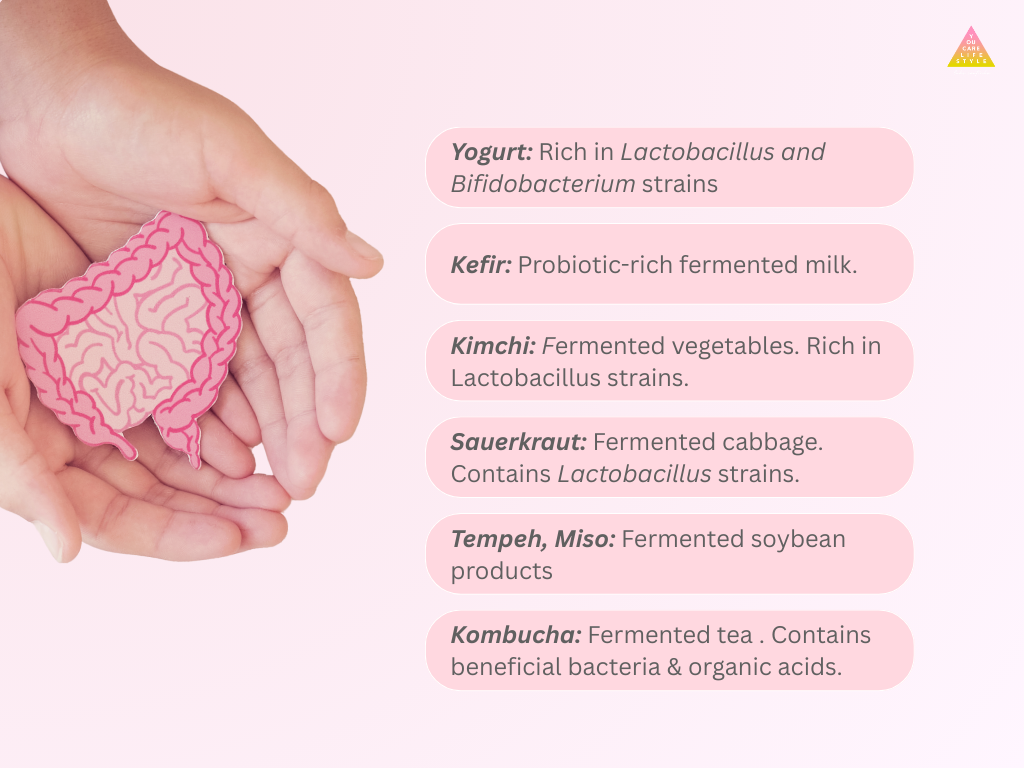
▪️Include fermented foods
▪️Consider clinically studied probiotic strains
▪️Reduce sugar and processed foods
▪️Prioritise sleep and stress reduction
Fixing the microbiome isn’t optional anymore, your immune system depends on it.
2. Stress Damages Your Gut Through the Gut–Brain Axis
The second powerful reason to fix your microbiome is the gut–brain axis (GBA)—a two-way communication system linking your gut and brain through neural, hormonal, and immune pathways.
The Problem
Chronic stress directly weakens the microbiome. It:
~ Reduces beneficial bacteria
~ Stimulates inflammation
~ Slows digestion
~ Causes bloating or cramps
~ Increases bad bacteria dominance
~ Disrupts neurotransmitter balance
This is why stress leads to acidity, constipation, diarrhoea, and fluctuating appetite.
A 2024 review in Signal Transduction and Targeted Therapy showed strong evidence that the microbiota–gut–brain axis plays a critical role in mood regulation, cognition, and neuroinflammation.
The Solution
▪️Add probiotics known to support mood (L. helveticus, B. longum)
▪️Practice relaxation techniques
▪️Balance your sleep cycle
▪️Avoid chronic multitasking
Improving gut health improves stress resilience in both directions.
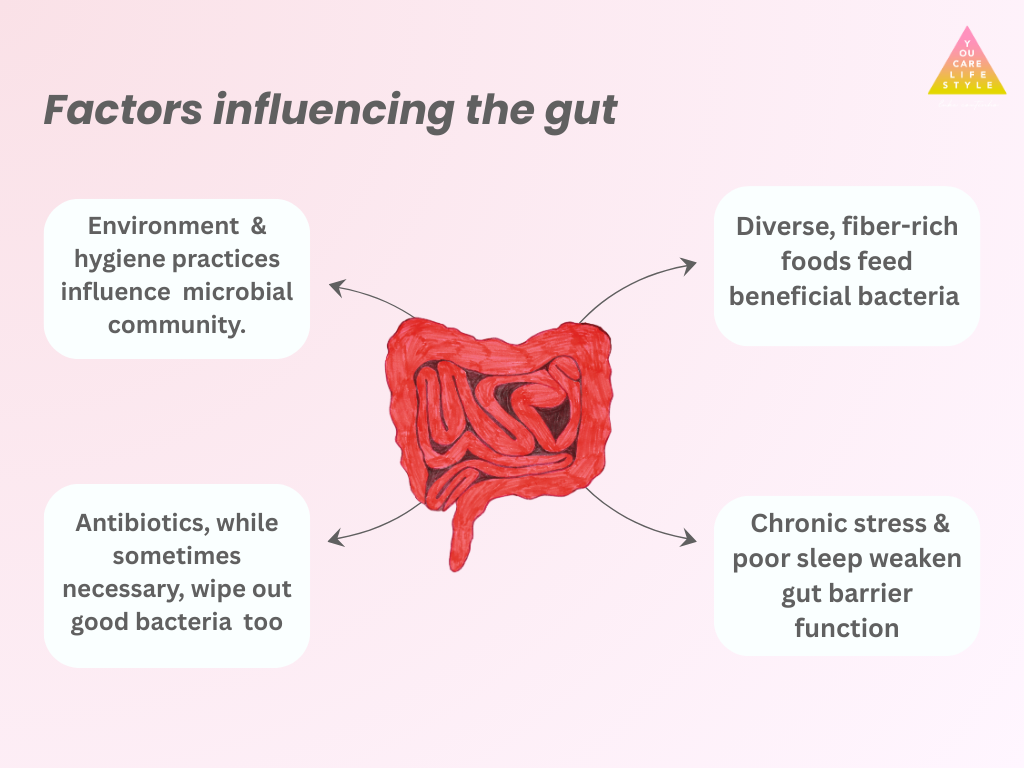
3. Poor Gut Health Lowers Serotonin, Affecting Mood & Mental Well-being
Here’s a big one: nearly 90% of the body’s serotonin, your feel-good neurotransmitter is produced in the gut.
The Problem
Low microbial diversity leads to lower serotonin production, which results in:
~ Low mood
~ Poor motivation
~ Anxiety
~ Irritability
~ Sleep issues
~ Reduced cognitive clarity
Ansari et al., 2023 demonstrated that gut-targeted probiotics significantly improve anxiety-like and depressive symptoms by modulating serotonin pathways.
The Solution
▪️Increase prebiotic fiber
▪️Include polyphenol-rich foods like berries and green tea
▪️Use clinically studied psychobiotic strains
▪️Support overall gut lining health
Better gut = better mood.
4. Inflammation Starts in the Gut and Can Spiral Into Chronic Disease
Inflammation is a silent trigger behind many long-term issues: hormonal imbalance, metabolic disorders, autoimmune reactions, weight gain, and chronic fatigue.
The Problem
Dysbiosis damages the gut lining, causing “leaky gut,” where toxins and endotoxins slip into the bloodstream.
This leads to systemic inflammation.
Common symptoms:
~ Joint pain : Inflammation from an imbalanced gut can travel through the bloodstream, triggering stiffness, swelling, and recurring joint discomfort.
~ Headaches : Gut dysbiosis alters neurotransmitter balance and increases inflammation, leading to frequent headaches or migraines that seem unexplained.
~ Brain fog : When the gut barrier weakens, toxins and inflammatory molecules affect brain signalling, causing sluggish thinking, poor focus, and slow processing.
~ Skin rashes : An unhealthy gut can trigger immune overreactions, making your skin respond with redness, itching, or flare-ups like dermatitis and eczema.
~ Low immunity : Since 70% of immune cells live in the gut, imbalance weakens your defence system, making you fall sick more often.
~ Allergies : Dysbiosis increases sensitivity to foods, dust, and environmental triggers, leading to more frequent allergic reactions.
Kocot et al., 2022 highlighted the essential role of probiotics in strengthening tight junctions, reinforcing gut barrier integrity, and reducing endotoxin leakage.
The Solution
▪️Add anti-inflammatory foods
▪️Reduce alcohol and processed meats
▪️Include targeted probiotics
▪️Maintain regular bowel movements
Fixing inflammation begins with fixing your gut.
Read Our Blog to know more on :
5. Antibiotics Can Destroy Your Microbial Balance in Just 7 Days
Antibiotics save lives.
But they also wipe out beneficial bacteria, often even more aggressively than the harmful ones.
The Problem
Just 1 antibiotic cycle can:
~ Reduce microbial diversity drastically
~ Alter digestion
~ Trigger yeast overgrowth
~ Cause loose stools
~ Lower immunity
~ Lead to long-term dysbiosis
And many never fully recover without targeted intervention.
Studies show that targeted Lactobacillus and Bifidobacterium strains restore microbial balance faster after antibiotic use and reduce gastrointestinal symptoms.
The Solution
▪️Always replenish with probiotics after antibiotics
▪️Increase fiber
▪️Avoid sugar (feeds bad bacteria)
▪️Add fermented foods
Antibiotics are sometimes necessary, but gut repair is always necessary afterwards.
6. Modern Diets Starve Your Good Bacteria
The Westernised diet trend : ultra-processed, low-fiber, high-sugar foods, is the biggest enemy of gut diversity.
The Problem
Your beneficial bacteria feed on prebiotic fiber. Modern diets provide almost none.
Effects:
~ Constipation
~ Gas, bloating
~ Poor nutrient absorption
~ Cravings
~ Slow metabolism
Maftei et al., 2024 emphasised the critical role of probiotics in improving digestion, nutrient absorption, and metabolic function in individuals with poor dietary diversity.
The Solution
▪️Aim for 25–35g fiber every day
▪️Eat 30 plant varieties per week
▪️Include legumes, seeds, veggies, fruits
▪️Add resistant starch (cooled rice, potatoes)
Feed your gut, and it will feed your health.
Read our blog to know more on ways to increase fibre in your daily diet
7. Your Skin Health Reflects Your Gut Health
Your skin is often the first place where internal imbalance shows up. Conditions like acne, eczema, rosacea, psoriasis, redness, dryness, and dullness frequently originate from the gut—not from topical products.
The Problem
When your gut microbiome becomes unbalanced, several things happen that directly affect your skin:
~ Inflammation rises, triggering acne, redness, and flare-ups.
~ Toxins and metabolic waste circulate, overwhelming the liver and showing up on the skin.
~ The gut barrier weakens, leading to “leaky gut,” where microscopic particles enter the bloodstream and trigger immune reactions visible on the skin.
~ Nutrient absorption drops, causing deficiencies in zinc, B vitamins, essential fatty acids, and antioxidants, all crucial for glowing skin.
~ Immunity shifts, leading to hypersensitivity, rashes, dermatitis, and rosacea.
This is why dermatologists worldwide now refer to the Gut–Skin Axis, a science-backed connection showing that improving your microbiome can reduce:
- Inflammation-driven acne
- Eczema flare-ups
- Rosacea sensitivity
- Dullness and uneven texture
- Premature aging caused by oxidative stress
If your skin has been reacting despite “clean skincare,” the underlying signal is loud and clear, your gut needs support.
Gut–skin communication is well established, and probiotics show potential benefits in reducing inflammation-linked skin issues.
The Solution
▪️Reduce inflammatory foods
▪️Support digestion
▪️Improve probiotic intake
▪️Strengthen your gut barrier
Glowing skin begins deeper than skincare.
8. Your Metabolism Slows Down When Your Gut Is Unbalanced
The microbiome influences how your body uses calories, stores fat, and regulates blood sugar.
The Problem
Dysbiosis can trigger:
~ Weight gain
~ Sugar cravings
~ Slower energy burn
~ Insulin resistance
~ Chronic fatigue
The Solution
▪️Add fiber
▪️Strengthen the gut lining
▪️Balance your microbiome
▪️Increase plant diversity
A balanced gut = a balanced metabolism.
9. Lifestyle Triggers Are Quietly Damaging Your Microbiome Every Day
Your gut isn’t only shaped by food. Many daily habits damage the microbiome without you noticing.
Common triggers:
~ Poor sleep
~ Alcohol
~ Over-sanitisation
~ Sedentary lifestyle
~ Chronic stress
~ Eating too fast
~ Environmental toxins
The Solution
▪️Improve sleep hygiene
▪️Walk after meals
▪️Reduce stress
▪️Consume antioxidants
▪️Stay hydrated
Small changes = big microbial shifts.
10. Targeted Probiotics Can Restore Balance Safely and Effectively
When the gut is disrupted, targeted probiotics offer a structured approach to healing.
The Problem
Many probiotic supplements are:
~ Mislabelled
~ Contaminated
~ Lacking viable strains
~ Ineffective past stomach acid
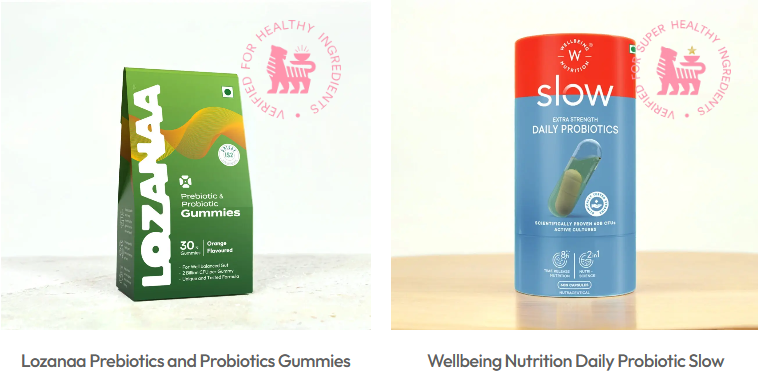
Trust your gut with Pink Tiger
The probiotic aisle is crowded, but beneath the surface, many supplements fall short: mislabelled strains, hidden heavy metals, and ineffective formulation that never make it past your stomach’s acid, leaving you with little more than empty promises.
At YouCare Lifestyle, we’re committed to cutting through the noise and ensuring our community has access to safe, effective and trustworthy probiotic supplements.
Here’s how we ensure the highest quality for probiotic supplements:
1) Label accuracy: We rigorously verify that the product matches what’s declared on the label.
2) Heavy metal screening: We test for heavy metals like lead, mercury, cadmium, and arsenic, confirming they are within safe limits.
3) Probiotic strain identification: We confirm the presence of probiotic strains in the product, so you get the specific benefits you expect.
Because a happy gut is a verified gut! Explore probiotics here.
⚠️ Caution: Probiotic supplements may not be suitable for individuals with severely weakened immune systems, those on immunosuppressant drugs or anyone with a risk of infections or bleeding disorders.
Conclusion
Your gut isn’t just a digestive system, it’s a powerful command center silently influencing nearly every part of your health. From immunity and metabolism to mood, hormones, sleep, and inflammation, the gut feeling that matters the most is the one your microbiome has been trying to communicate all along.
The 10 powerful reasons you explored reveal a single truth: gut issues don’t stay in the gut. They ripple across your entire body in ways most people never notice until the damage grows. The good news? Microbiome health is one of the most fixable aspects of wellness. Small, consistent changes; cleaner food, fewer adulterants, smarter supplementation, fermented foods, prebiotic fibres, stress control, and transparency in what you consume, create a measurable shift.
Emerging research continues to highlight how a balanced microbiome improves everything from mental clarity to inflammation, liver health, metabolic stability, and even food tolerance. This means you have the power to reshape your health from the inside out.
So, listen to your gut; literally.
Strengthen it, support it, and let it guide your long-term well-being. Because when your microbiome thrives, your entire body follows.
Frequently Asked Questions (FAQs)
1. How do I know if my gut microbiome is imbalanced?
Persistent bloating, constipation, loose motions, acidity, fatigue, sugar cravings, anxiety, poor sleep, low immunity, and skin breakouts are common signs of microbial imbalance. These occur when beneficial bacteria decrease and harmful strains take over, leading to inflammation and digestive discomfort. If these symptoms continue for more than two weeks, your gut ecosystem likely needs attention.
2. Do probiotics actually work for gut repair?
Yes, but only if they contain clinically validated strains at the right dosage. Research published in 2024 showed that multi-strain probiotics improved digestion, reduced bloating, and restored microbial balance more effectively than single-strain formulas. Probiotics support the gut barrier, enhance immunity, and regulate inflammation when taken consistently for 4-8 weeks. Quality and strain transparency matter.
3. Are fermented foods enough, or should I take supplements too?
Fermented foods provide natural probiotics, but the quantity and strain consistency vary. Supplements offer targeted benefits, especially after antibiotics, infections, stress, or digestive issues. A 2025 nutrition study found that combining fermented foods with tested probiotic supplements produced the best improvements in gut diversity and metabolic markers.
4. What foods worsen gut health the fastest?
Ultra-processed foods, excessive sugar, refined oils, deep-fried snacks, low-quality tea or coffee, adulterated spices, alcohol, and artificial sweeteners disrupt the microbiome and irritate the gut lining. These foods reduce beneficial bacteria and increase inflammation. Replacing them with whole, fibre-rich, minimally processed options significantly improves gut resilience.
5. How long does it take to fix gut issues naturally?
Most people begin noticing improvements in digestion, mood, and energy within 2–6 weeks when they increase fibre, add probiotics, reduce processed foods, manage stress, and stay hydrated. Deep microbial repair may take 2–3 months depending on lifestyle, severity of imbalance, and consistency. The gut responds quickly when given the right inputs, but long-term habits create lasting change.
Disclaimer: This content is for informational purposes only and is not a substitute for professional medical advice, diagnosis or treatment. Always consult your healthcare provider before trying any new food items, supplements, or products.
References
1) Maftei, N., Raileanu, C. R., Balta, A. A., Ambrose, L., Boev, M., Marin, D. B., & Lisa, E. L. (2024). The Potential Impact of Probiotics on Human Health: An update on Their Health-Promoting Properties. Microorganisms, 12(2), 234. https://doi.org/10.3390/microorganisms12020234
2) Loh, J. S., Mak, W. Q., Tan, L. K., Ng, C. X., Chan, H. H., Yeow, S. H., Foo, J. B., Ong, Y. S., How, C. W., & Khaw, K. Y. (2024). Microbiota–gut–brain axis and its therapeutic applications in neurodegenerative diseases. Signal Transduction and Targeted Therapy, 9(1), 1-53. https://doi.org/10.1038/s41392-024-01743-1
3) Latif, A., Shehzad, A., Niazi, S., Zahid, A., Ashraf, W., Iqbal, M. W., Rehman, A., Riaz, T., Aadil, R. M., Khan, I. M., Özogul, F., Rocha, J. M., Esatbeyoglu, T., & Korma, S. A. (2023). Probiotics: Mechanism of action, health benefits and their application in food industries. Frontiers in Microbiology, 14, 1216674. https://doi.org/10.3389/fmicb.2023.1216674
4) Mazziotta, C., Tognon, M., Martini, F., Torreggiani, E., & Rotondo, J. C. (2023). Probiotics Mechanism of Action on Immune Cells and Beneficial Effects on Human Health. Cells, 12(1), 184. https://doi.org/10.3390/cells12010184
5) Ansari, F., Neshat, M., Pourjafar, H., Jafari, S. M., Samakkhah, S. A., & Mirzakhani, E. (2023). The role of probiotics and prebiotics in modulating of the gut-brain axis. Frontiers in Nutrition, 10, 1173660. https://doi.org/10.3389/fnut.2023.1173660
6) Kocot, A. M., Jarocka-Cyrta, E., & Drabińska, N. (2022). Overview of the Importance of Biotics in Gut Barrier Integrity. International Journal of Molecular Sciences, 23(5), 2896. https://doi.org/10.3390/ijms23052896