Shocking 7 Ways Hidden Food Additives Are Ruining Our Health

What’s Really Hiding in Your Food & Why Transparency Matters
In today’s fast-paced world, convenience often takes priority over quality. From ready-to-eat meals to lifestyle products and supplements, we rely heavily on labels that promise “natural,” “organic,” or “clean.” But what if those labels are hiding something far more harmful than you think? The issue of hidden food additives isn’t just a buzzword, it’s a growing public-health concern backed by the latest research and industry data. In this detailed exploration, we uncover what’s truly lurking in the products you consume and why transparency isn’t negotiable for your health.
Table of Contents
What Are Hidden Food Additives & Why You Should Care
At its core, hidden food additives are substances that may not be fully disclosed, are poorly regulated, or are accepted through loopholes rather than rigorous safety evaluations. These additives aren’t always obvious, they can be listed under generic codes (like “flavoring”), shielded under “proprietary blends,” or introduced into food through packaging and processing equipment.
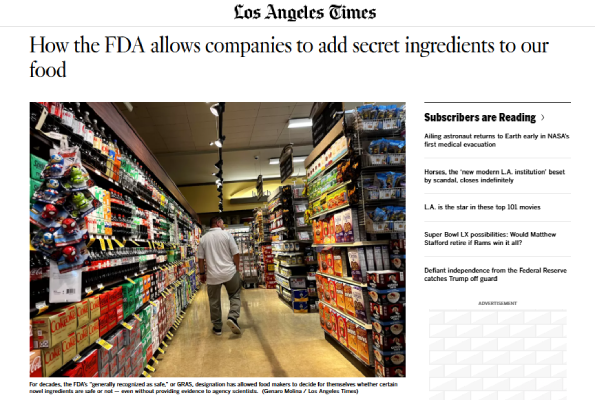
Research shows many chemicals in food systems bypass independent health scrutiny. A 2025 analysis found that nearly 99% of new food chemicals were introduced into our supply without formal FDA safety review, using a loophole that lets companies self-determine safety.
Consumers assume that “organic” or “clean label” means safe and wholesome. However, many products with such claims still contain additives that have concerning effects on human health. The hidden nature of these ingredients and the lack of clear labeling makes it difficult for people to make truly informed choices.
7 Ways of Hidden Food Additives
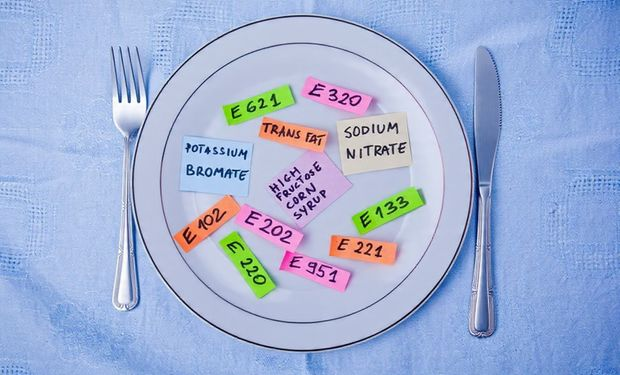
1. Additives Masquerading as Nutrients
If you’ve ever wondered why your favorite packaged noodle dish or snack lasts weeks on a shelf without spoiling, the answer lies in preservatives and stabilizers. These extend shelf life and improve texture, but emerging science suggests they can disrupt daily metabolic and immune processes.
One 2025 study from the University of Cambridge identified 168 common chemicals that negatively affect beneficial gut bacteria, many of which enter the body through food, water, or household exposure. These chemicals interfere with gut microbiota, threatening digestion, nutrient absorption, immune function, and even resistance to antibiotics.
This new evidence reinforces long-standing concerns about additives like emulsifiers, artificial sweeteners, and stabilizers not just for digestion, but for overall metabolic health.
2. “Clean” Skincare Isn’t Always So Clean
Hidden additives don’t stop at food. Personal care products especially those marketed as “natural” often include endocrine-disrupting chemicals such as phthalates, parabens, and artificial fragrances.
Scientific literature links these compounds to hormonal imbalance, fertility reductions, thyroid dysfunction, and certain cancers. While some regulatory bodies are beginning to tighten rules, the global marketplace still sees widespread use of these harmful chemicals.
Consumers might think they’re choosing “clean” products, but without full disclosure and strict regulation, the label can be misleading.
3. Supplements With Questionable Ingredients
Walk down the supplement aisle and you’ll see labels promising immune support, youthful skin, or energy boosts but what’s really inside? A lack of robust oversight means many supplements contain fillers, synthetic nutrients, or contaminants like heavy metals.
Studies in previous years have already found discrepancies between label claims and actual content in several products, including traces of lead, arsenic, and mercury. These hidden contaminants undermine the intended health benefits and can introduce long-term toxicity.
In 2025, consumer advocacy groups continue to push for clearer regulation and labeling so that your “health boost” doesn’t come with a toxic side effect.
4. Cookware & Packaging: Invisible Sources of Contamination
Even something as basic as your cookware and packaging can introduce hidden toxins. Materials once considered inert have now been scrutinized for harmful leaching:
Non-stick cookware may release PFAS, a class of chemicals linked to liver damage, hormonal disruption, and immune suppression.
Plastic packaging additives such as DEHA, ATBC, and phthalates have been found in a striking percentage of tested foods, posing exposure risks, especially to infants and toddlers.
Microplastics can contaminate food at every stage; from soil to salad, carrying chemical additives and heavy metals with them.
These are not isolated concerns. Research increasingly shows microplastics and associated chemicals have become embedded in food systems worldwide.
5. The Hidden Hormonal & Metabolic Impact
Artificial additives like sweeteners and emulsifiers don’t just affect taste and texture — they can shape your internal biology. A growing body of evidence indicates these substances can disrupt the gut-brain axis, influencing mood, neurotransmitter production, and appetite regulation. In animal models, some of these chemicals have been shown to:
Alter serotonin and dopamine levels
Certain additives can influence gut bacteria involved in producing neurotransmitters like serotonin and dopamine. Over time, this may affect mood regulation, stress response, sleep quality, and overall emotional well-being.
Disrupt hunger and satiety signaling
Some food additives interfere with hormones such as leptin and ghrelin, which regulate hunger and fullness. This disruption can lead to increased cravings, overeating, and difficulty recognizing natural satiety cues.
Contribute to glucose intolerance and metabolic imbalance
Regular exposure to specific additives may impair insulin sensitivity and glucose metabolism. This can increase the risk of blood sugar fluctuations, metabolic dysfunction, and the development of lifestyle-related conditions over time.
Studies from 2025 also reinforce this connection, showing that gut bacterial disruption can have cascading effects on mental health, a concern often overlooked in traditional nutrition science.
6. Bioaccumulation & Long-Term Exposure
The danger with hidden food additives is not immediate toxicity, but cumulative exposure over years. Persistent organic pollutants (POPs), heavy metals, PFAS, and microplastics tend to accumulate in body tissues. Over time, this buildup can amplify chronic disease risks, including:
Cancer
Long-term exposure to certain additives, contaminants, and persistent chemicals may increase cancer risk by promoting oxidative stress, DNA damage, and chronic inflammation. Some compounds can accumulate in body tissues over time, potentially interfering with normal cell regulation and increasing the likelihood of abnormal cell growth.
Autoimmune disorders
Hidden additives and environmental toxins may overstimulate or confuse the immune system, leading it to attack healthy tissues. Chronic exposure can contribute to immune dysregulation, low-grade inflammation, and a higher susceptibility to autoimmune conditions in genetically predisposed individuals.
Hormonal imbalance
Many food and packaging-related chemicals act as endocrine disruptors, mimicking or blocking natural hormones. This interference can affect thyroid function, reproductive health, metabolism, and stress regulation, often manifesting as fatigue, weight changes, or fertility concerns.
Cardiovascular disease
Certain additives and contaminants have been linked to inflammation, oxidative stress, and impaired lipid metabolism, all of which are key risk factors for heart disease. Over time, these effects may contribute to high blood pressure, arterial damage, and an increased risk of heart-related events.
New reporting from December 2025 summarizes these economic and health burdens, estimating that synthetic chemicals in the food system including pesticides and additives, contribute to trillions of dollars in health and environmental costs.
7. Misleading Labels & Consumer Distrust
The demand for transparency is growing fast. A 2025 report found that over 80% of consumers globally want clearer, more accessible ingredient information on food and wellness products, driven by rising distrust of ultra-processed and artificial-ingredient-laden foods.
Misleading labels such as “low-fat” or “natural” can hide a slew of additives that undermine health goals, replacing fat with sugar or chemical substitutes that have their own risks.
Why Hidden Food Additives Transparency Matters More Than Ever
We deserve a food system where what’s on the label actually reflects what’s inside. Here’s why transparency is imperative:
Health Protection Across Lifespans
Knowing exactly what goes into our food is essential for protecting health at every stage of life, from infancy to old age. When additives are hidden behind vague terms or incomplete labels, consumers lose the ability to make choices that align with their nutritional needs, sensitivities, or long-term health goals. Children, pregnant individuals, and older adults are especially vulnerable to cumulative exposure from certain additives, preservatives, and contaminants. Clear, honest labeling empowers people to avoid ingredients that may contribute to allergies, hormonal disruption, metabolic issues, or chronic inflammation, helping support healthier outcomes across generations.
Trust & Consumer Empowerment
Transparency is the foundation of trust between consumers and brands. When companies openly disclose full ingredient lists, sourcing details, and processing methods, consumers feel respected and informed rather than misled. This openness allows people to distinguish genuinely clean, responsibly made products from those relying on marketing buzzwords. Over time, transparent labeling fosters consumer empowerment, encouraging more mindful purchasing decisions and rewarding brands that prioritize integrity, quality, and accountability over short-term profits.
Regulatory Accountability
Regulatory transparency tools, such as the FDA’s Chemical Contaminants Transparency Tool introduced in 2025, signal an important shift toward greater oversight and public access to information. These systems help track contaminant levels in food and highlight potential risks, but they are only a starting point. Stronger global regulations, standardized testing, and mandatory disclosures are still needed to close existing loopholes. True accountability requires regulators, manufacturers, and policymakers to work together to ensure safety standards keep pace with modern food production and scientific evidence.
Healthier Ecosystems
The impact of hidden additives extends far beyond human health, affecting the environment that sustains us. Chemical runoff from food additives, packaging materials, and agricultural inputs can degrade soil quality, contaminate water bodies, and disrupt ecosystems and biodiversity. These environmental effects can circle back into the food chain, increasing long-term exposure for both humans and wildlife. Reducing hidden additives and embracing cleaner, more transparent production practices supports not only personal well-being but also healthier, more resilient ecosystems for the future.
How You Can Protect Yourself Today
Transparency doesn’t just come from regulations it also comes from smart consumer behavior:
- Choose whole, minimally-processed foods
- Look for products with clear and simple ingredient lists
- Avoid plastic packaging where possible
- Support brands committed to clean, transparent labeling
- Stay informed on emerging research and regulatory updates
ThinkPink: A Movement for Transparency & Trust
ThinkPink is more than a slogan, it’s a call to action. By promoting transparency, demanding honest labeling, and supporting stricter regulations, ThinkPink aims to reshape how products are marketed and manufactured.
Joining the movement means:
- Decoding product labels
- Advocating for stricter additive regulation
- Choosing products that match their claims
- Educating others on hidden additive risks
Explore Pink Tiger Verified Products here
The Bigger Picture
Transparency is more than a trend; it is a health imperative that shapes the future of how we eat, live, and care for ourselves. When what’s hidden is finally revealed, individuals gain the power to make informed choices that align with their health values, rather than relying on vague promises or misleading labels.
This awareness doesn’t just protect one person at a time, it strengthens entire communities by reducing collective exposure to harmful additives, contaminants, and deceptive practices. At a broader level, transparency shifts the market itself, encouraging brands to prioritize safety, integrity, and long-term well-being over short-term profits.
By demanding honesty and accountability, we help create a system where trust is earned, health is protected, and every product choice contributes to a safer, more sustainable future.
Frequently Asked Questions (FAQs)
1. What are hidden food additives and why are they a concern?
Hidden food additives are substances added to foods that may not be clearly disclosed on labels or are listed under vague terms like “flavorings,” “processing aids,” or “stabilizers.” They are a concern because consumers often have no clear understanding of what they are ingesting or how frequently they are exposed. While some hidden food additives are legally permitted, long-term exposure has been linked to gut microbiome disruption, inflammation, hormonal imbalance, and metabolic issues. The lack of transparency prevents people from making informed choices, especially those with allergies, sensitivities, or chronic health conditions.
2. How do hidden food additives affect long-term health?
Hidden food additives may not cause immediate symptoms, but their effects often accumulate over time. Repeated exposure can contribute to chronic inflammation, altered gut bacteria, insulin resistance, and endocrine disruption. Emerging research shows that some hidden food additives can interfere with the gut-brain axis, potentially influencing mood, appetite, and immune response. Because these substances are consumed daily through multiple food sources, even low-level exposure can add up, increasing long-term risks for lifestyle diseases such as obesity, diabetes, and cardiovascular disorders.
3. Why are hidden food additives difficult to identify on labels?
Hidden food additives are difficult to identify because labeling regulations often allow umbrella terms like “natural flavors” or “permitted emulsifiers” without requiring full disclosure of chemical composition. In some cases, additives are introduced indirectly through packaging, processing equipment, or fortification methods and never appear on the ingredient list at all. This creates a gap between what consumers think they are eating and what is actually present. Without stronger transparency laws, identifying hidden food additives requires careful label reading and awareness of commonly used additive categories.
4. Are “natural” or “organic” foods free from hidden food additives?
Not always. While natural or organic foods generally have stricter standards, they are not automatically free from hidden food additives. Some approved additives can still be used for preservation, texture, or shelf stability, and contamination can occur through packaging or processing. Additionally, marketing terms like “clean label” are not legally defined in many regions, allowing products to appear healthier than they truly are. Understanding ingredient sourcing and certification standards is essential to minimizing exposure to hidden food additives, even in premium food categories.
5. How can consumers reduce exposure to hidden food additives?
Reducing exposure to hidden food additives starts with choosing whole, minimally processed foods and cooking more meals at home. Reading ingredient lists carefully, avoiding products with long or unclear labels, and limiting ultra-processed foods can significantly lower intake. Opting for fresh produce, traditionally prepared foods, and brands that openly disclose sourcing and testing practices also helps. Staying informed about food regulations and supporting transparency-driven brands empowers consumers to protect their health while encouraging industry-wide change around hidden food additives.
Disclaimer: This content is for informational purposes only and is not a substitute for professional medical advice, diagnosis, or treatment. Always consult your healthcare provider before trying any new food items, supplements, or products, especially if you have an existing medical condition or allergies.
Reference:
1. Guo, W., Pan, B., Sakkiah, S., Yavas, G., Ge, W., Zou, W., Tong, W., & Hong, H. (2019). Persistent Organic Pollutants in Food: Contamination Sources, Health Effects and Detection Methods. International journal of environmental research and public health, 16(22), 4361. https://doi.org/10.3390/ijerph16224361
2. Ruiz-Ojeda, F. J., Plaza-Díaz, J., Sáez-Lara, M. J., & Gil, A. (2019). Effects of Sweeteners on the Gut Microbiota: A Review of Experimental Studies and Clinical Trials. Advances in nutrition (Bethesda, Md.), 10(suppl_1), S31–S48.https://doi.org/10.1093/advances/nmy037
3. EWG analysis: Almost all new food chemicals greenlighted by industry, not the FDA. (2025, July 22). Environmental Working Group. https://www.ewg.org/news-insights/news/2025/07/ewg-analysis-almost-all-new-food-chemicals-greenlighted-industry-not-fda
4. Is your gut being poisoned? Scientists reveal the hidden impact of everyday chemicals. (2025, December 25). ScienceDaily.https://www.sciencedaily.com/releases/2025/12/251202052215.htm
5. News-Medical. (2025, April 22). Plastic additives found in 85% of foods raise concern for infant health. https://www.news-medical.net/news/20250421/Plastic-additives-found-in-8525-of-foods-raise-concern-for-infant-health.aspx
6. B, C. (2025, July 3). Plastic food packaging poisons your meals with microplastics, study warns. Grocery News. https://www.grocery.news/2025-07-03-plastic-food-packaging-poisons-meals-with-microplastics.html
7. Crawford-Brown, C. (2026, January 16). Report estimates toxic chemicals in food system cost 3 trillion USD per year | Food Packaging Forum. Food Packaging Forum. https://foodpackagingforum.org/news/report-estimates-toxic-chemicals-in-food-system-cost-3-trillion-usd-per-year
8. Transparency demanded as trust in food system declines. (2025, October 29). FoodNavigator.com. https://www.foodnavigator.com/Article/2025/10/29/consumers-demand-transparency-as-trust-in-food-system-declines/