5 Realistic New Year Resolutions That Stick All Year Long

Every New Year begins with a sense of possibility. We flip the calendar, set new goals, and feel inspired to change. We tell ourselves this will be the year we finally become healthier, more energetic, and more disciplined. Gym memberships are renewed, meal plans are bookmarked, and motivation feels high.
But then reality sets in. Work gets busy. Energy fluctuates. Motivation fades. By February, many New Year’s resolutions quietly disappear, not because people lack discipline, but because most resolutions are too rigid, too extreme, and disconnected from everyday life.
The truth is simpler: wellness that lasts is built slowly, gently, and consistently. This New Year, instead of chasing drastic transformations, what if you chose realistic resolutions, ones that fit your lifestyle, support your health, and actually stick all year long?
Table of Contents
Rethinking New Year’s Resolutions for Real Life
Every January, the air is filled with promises like “New Year, new me!” or “No sugar, no excuses!” While these statements feel inspiring, they often lead to pressure, not progress. Within weeks, enthusiasm can give way to exhaustion, and rigid routines become stressful.
The problem isn’t you; it’s the belief that dramatic change must happen instantly. The reality is that the body and mind thrive on gradual, sustainable habits. This New Year, let’s replace short-term goals with long-term care.
Wellness isn’t a sprint. It’s a journey, one that unfolds through daily choices that you can maintain even when life gets busy.
Why Most New Year’s Resolutions Don’t Last?
A lot of New Year goals are framed around outcomes:
~ Lose a fixed amount of weight
~ Exercise every day, eat perfectly
~ Wake up at 5 a.m.
These goals seem motivating, but they depend too much on willpower, a resource that naturally fluctuates. Every day stress, work deadlines, family obligations, and low-energy days affect our ability to stay motivated. When motivation drops, rigid goals collapse.
Research shows that small, repeated behaviours are more effective for long-term change than short bursts of intense effort. Instead of asking “How can I change everything this New Year?” ask “What can I practice consistently for the next 12 months?” That shift, from outcomes to daily habits, is what makes resolutions stick.
Motivation Isn’t a Feeling, It’s a Practice
There’s a myth that successful people never struggle with motivation. In reality, motivation isn’t something you wait for; it’s something you build. Research supports the idea that focusing on systems and habits improves long-term adherence to healthy behaviours. Habits reduce decision fatigue and make choices automatic. When healthy actions become part of your routine, you don’t have to rely on motivation alone; you simply do them because they reflect who you’re becoming.
Think Long-Term: Wellness Is a Slow, Consistent Project
Our bodies respond best to consistency, not extremes. Almost every aspect of physical wellness, from muscle strength to blood sugar balance to heart health, improves gradually through repeated daily actions. Science shows that stable blood sugar helps maintain energy and reduce cravings, adequate fibre supports gut and immune health, and regular movement boosts heart health and mental well-being.
These benefits rarely appear overnight. But when you stack small positive habits over weeks and months, they quietly compound into noticeable, long-lasting results.
5 Keys to Resilient Wellness
Here are five resolutions you can adopt this New Year that are realistic, research-backed, and designed to stick:
1. Eat to Nourish, Not to Punish

For many people, New Year’s nutrition goals start with rules: no sugar, no carbs, no eating out, no indulgence. At first, it feels disciplined. But very quickly, it starts to feel exhausting. Hunger increases, cravings spike, and food becomes something to “control” instead of something that supports you.
Long-term nutrition works differently. It isn’t about restriction, it’s about adequacy and balance. Your body needs fibre to slow digestion and keep blood sugar steady, protein to support muscle and metabolism, and healthy fats to absorb nutrients and support brain health.
When these needs are met regularly, the urge to overeat or constantly snack naturally reduces.
~ Instead of cutting foods out, try adding nourishment.
~ Add vegetables to your lunch plate.
~ Add a protein source to breakfast.
~ Add whole grains instead of refined ones.
~ Add nuts, seeds, or a drizzle of cold-pressed oil to meals.
For example, instead of skipping breakfast to “be good,” you might choose a simple meal with fruit, yoghurt, and nuts, something that actually keeps you full. Instead of avoiding carbs at dinner, you might include a small portion of rice or roti with vegetables and dal. When your body feels fed, it stops asking for compensation later.
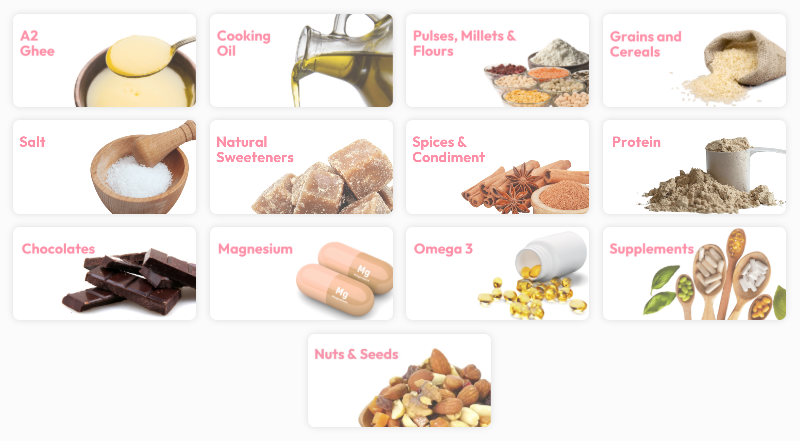
Choose Pink Tiger Verified Products for your daily needs.
2. Move in Ways You Enjoy

Many New Year’s resolutions fail because movement is treated like punishment. Intense workouts, unrealistic schedules, and the idea that exercise only “counts” if it’s hard can quickly lead to burnout.
But research shows that regular, moderate movement has powerful benefits, improving heart health, insulin sensitivity, mental well-being, and energy levels. And the best part? It doesn’t have to be extreme.
The best kind of movement is the one you’ll do even on busy, low-energy days. That might be a 30-minute walk after dinner, stretching while watching TV, yoga a few times a week, or light strength training at home. For someone else, it might be dancing, cycling, or playing a sport.
Think of movement as a way to care for your body, not correct it. If a workout feels so demanding that you avoid it, it won’t last. But if movement becomes something that fits naturally into your day, consistency becomes easy, and consistency is what actually improves health.
3. Treat Sleep as a Health Habit

Sleep is often the first thing we sacrifice in the name of productivity. Late nights, scrolling in bed, irregular schedules, all of this slowly adds up. Yet sleep plays a huge role in regulating hunger hormones, stress levels, immunity, mood, and focus.
Poor sleep can increase cravings, reduce motivation to move, and make even simple tasks feel overwhelming. That’s why no nutrition or fitness plan works well without adequate rest.
A realistic New Year’s resolution isn’t sleeping perfectly every night; it’s sleeping more consistently. Going to bed and waking up around the same time most days, reducing screen exposure before bed, dimming lights in the evening, and creating a short wind-down routine can significantly improve sleep quality.
For example, instead of scrolling until midnight, you might set a gentle cutoff time for screens and switch to reading or stretching. Small changes like these signal the body that it’s safe to rest, and better sleep makes every other healthy habit easier.
4. Manage Stress Daily

Stress isn’t just something you feel; it’s something your body experiences. Chronic stress keeps the nervous system in a constant state of alert, which can disrupt digestion, increase inflammation, affect hormones, and drain motivation.
Many people treat stress management as a luxury, something they’ll get to once life slows down. But in reality, managing stress is preventive healthcare.
Daily stress management doesn’t have to be complicated. A few minutes of deep breathing, a quiet walk without your phone, journaling, mindful eating, or simply pausing between tasks can help regulate the nervous system.
For example, instead of rushing through meals while distracted, you might sit down and eat slowly once a day. Instead of pushing through exhaustion, you might step outside for five minutes of fresh air. These small moments of calm, practised daily, build resilience over time.
5. Embrace Progress, Not Perfection

One missed workout. One indulgent meal. One disrupted routine. Many people see these moments as failure and then give up entirely.
But long-term wellness doesn’t require perfection. It requires returning.
Success isn’t eating “right” every day or never skipping a workout. Success is choosing nourishment after a setback instead of punishment. It’s resuming a habit without guilt. It’s understanding that life will interrupt routines, and that’s normal.
Wellness that lasts looks ordinary. It’s made of repeated small choices, not dramatic overhauls. And that’s exactly why it sticks. When habits feel supportive instead of strict, you don’t need motivation to continue; you simply keep going.
A Simple, Sustainable Wellness Plan
Here’s a flexible framework you can adapt:
Daily (minimum effort):
~ One balanced meal
~ 20 minutes of movement
~ Adequate hydration
~ A calm pre-sleep routine
Weekly:
~ A loose meal plan
~ Strength or resistance movement 2–3 times
~ Reflection on what felt good, not perfect
Monthly:
~ Check energy, digestion, and mood
~ Make gentle adjustments
~ Celebrate consistency, not outcomes
This approach works because it respects your life, not an idealised version of it.
When Motivation Fades; And It Will
Plateaus are normal. Missed days are normal. Boredom is normal. The difference between long-term success and short-lived enthusiasm is not perfection but persistence. Instead of thinking, “I failed,” try, “I paused, now I resume.” Progress isn’t linear. It’s cumulative.
Why Motivation Naturally Drops?
Motivation is often highest at the beginning of a New Year because novelty fuels excitement. Over time, routines become familiar, and the brain no longer gets the same dopamine boost. This is normal. Expecting motivation to stay high all year sets unrealistic expectations.
That’s why long-term wellness depends less on motivation and more on systems, flexibility, and self-compassion.
Practical Tips to Stay Consistent When Motivation Fades
1. Lower the Bar, Don’t Quit
When energy is low, reduce the effort, not the habit. If a 30-minute workout feels impossible, do 10 minutes. If cooking feels overwhelming, assemble a simple, nourishing meal. Showing up imperfectly still reinforces the habit.
2. Focus on Identity, Not Outcomes
Instead of chasing visible results, reconnect with who you are becoming. Say, “I’m someone who takes care of my health,” even on slow days. Identity-based habits feel less dependent on motivation.
3. Build a “Minimum Effort” Version of Every Habit
~ Create a non-negotiable baseline you can follow even on hard days:
~ A short walk instead of a full workout
~ One balanced meal instead of a perfect day of eating
~ A consistent bedtime routine instead of eight perfect hours of sleep
This keeps momentum alive without pressure.
4. Expect Boredom, Then Adjust
Boredom doesn’t mean you should stop; it means you should tweak. Change your walking route, try a new recipe, switch your movement style, or adjust your routine slightly. Variety keeps habits engaging without abandoning them.
5. Track Effort, Not Perfection
Instead of tracking streaks or “perfect days,” track consistency over time. Ask:
~ Did I move most days this week?
~ Did I nourish my body more often than not?
Looking at patterns instead of daily perfection reduces guilt and builds confidence.
6. Practice Self-Talk That Encourages Return
How you speak to yourself after a setback matters. Harsh self-criticism often leads to quitting, while self-compassion supports consistency. Treat missed days as information, not evidence of failure.
7. Revisit Your “Why” Periodically
Your reason for starting may evolve. Check in monthly: Are your habits still supporting your energy, mood, and life? Adjusting your “why” keeps your wellness journey relevant and personal.
A Final Thought This New Year
You don’t need a new body. You don’t need extreme discipline. You don’t need a drastic transformation. What you need is patience, kindness toward yourself, and a set of habits you can live with for the long haul.
This New Year, choose practices over pressure. Choose sustainability over speed. Choose a version of health you can live with, not escape from.
Because the real goal isn’t to transform your life in January.
It’s to feel grounded, energised, and well years from now.
That kind of wellness, the slow, steady, day-by-day kind, is always worth the wait.
Wishing you a very Happy New Year! 🌟
May the year ahead bring you good health, steady progress, and moments of calm and joy. Here’s to realistic goals, lasting habits, and a year that truly supports your well-being ✨
Frequently Asked Questions (FAQs)
1. Why do most New Year resolutions fail?
Most New Year resolutions fail because they rely heavily on motivation and willpower instead of realistic habits. People often set overly ambitious goals that don’t fit their daily routines. When motivation dips or life gets busy, these rigid plans feel unsustainable. Long-term success comes from small, consistent actions that are easy to return to, even after missed days.
2. How can I make my New Year resolutions more realistic and sustainable?
To make New Year resolutions stick, focus on habits rather than outcomes. Instead of aiming for perfection, build flexible routines you can maintain on low-energy days. Choose goals that support your lifestyle, such as moving regularly, eating balanced meals, and improving sleep quality. Sustainable resolutions prioritize consistency over intensity.
3. Is it possible to stay healthy without following a strict diet in the New Year?
Yes. Long-term wellness does not require strict diets or food restrictions. Balanced nutrition that includes fiber, protein, healthy fats, and essential micronutrients supports energy, digestion, and metabolism. Adding nourishing foods rather than eliminating entire food groups is a more effective and sustainable approach for the New Year and beyond.
4. What should I do when motivation fades during the year?
Motivation naturally fluctuates, even with the best New Year intentions. When motivation fades, lower the effort but keep the habit. Focus on minimum actions, such as a short walk or one balanced meal. Reframing setbacks as pauses instead of failures helps maintain momentum and prevents all-or-nothing thinking.
5. How long does it take for New Year habits to become part of daily life?
There is no fixed timeline for habits to become automatic. Research suggests that habit formation depends on consistency, simplicity, and personal relevance rather than speed. Most people notice that habits feel easier after several weeks of repetition, especially when they align with identity and lifestyle rather than external pressure.
Disclaimer : This content is for informational purposes only and is not a substitute for professional medical advice, diagnosis, or treatment. Always consult a qualified healthcare provider for any questions or concerns regarding your health.
References:
1. Li K, Omar Dev RD and Li W (2025) Physical activity and happiness of college students: chain mediating role of exercise attitude and sleep quality. Front. Public Health. 13:1544194. doi: 10.3389/fpubh.2025.1544194
2. A year of health and nutrition highlights. (2025, December 12). Tufts Now. https://now.tufts.edu/2025/12/12/year-health-and-nutrition-highlights
3. American Council on Exercise. (2025, March 1). ACE – CertifiedTM: March 2025 – The Science of Habit Formation: A guide for health and exercise professionals. https://www.acefitness.org/continuing-education/certified/march-2025/8825/the-science-of-habit-formation-a-guide-for-health-and-exercise-professionals/
4. Yarbrough, J. (2025, November 21). Daily exercise may be key to better sleep, new study finds. UT Austin News – the University of Texas at Austin. https://news.utexas.edu/2025/07/14/daily-exercise-may-be-key-to-better-sleep-new-study-finds/
5. Kanthraj, V., & Kalaburgi, R. A. (2025). Association between stress and sleep disorders among working adults. In International Journal of LifeSci.Biotechnol.Pharma.Res., International Journal of Life Sciences, Biotechnology and Pharma Research (Vol. 14, Issue 1, pp. 772–773) [Journal-article]. https://doi.org/10.69605/ijlbpr_14.1.2025.132