7 Proven High-Protein Foods Without Supplements You’ll Love
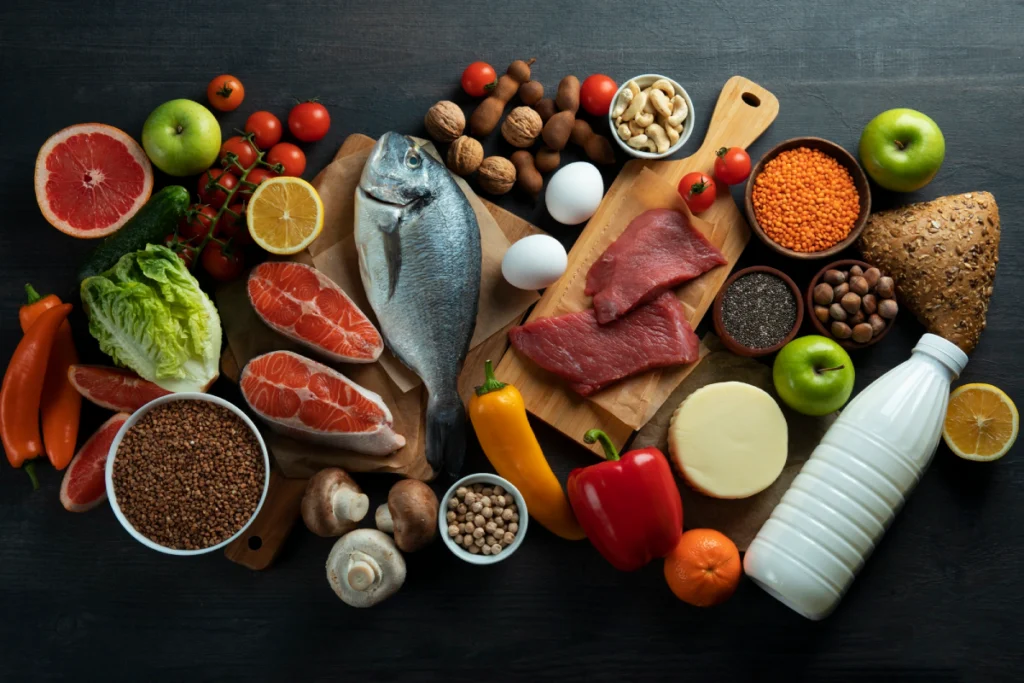
Protein is everywhere on social media, yet missing from most Indian plates. Despite eating three full meals a day, many people struggle with low energy, constant cravings, hair fall, weak immunity, and stubborn weight gain, without realizing that inadequate of its intake is often the root cause. The good news? You don’t need it in powders, shakes, or expensive supplements to fix this. By making a few smart, science-backed upgrades to everyday Indian foods, you can naturally increase your daily intake in a way that’s affordable, sustainable, and delicious. This guide breaks down 7 proven high-protein foods and strategies that fit seamlessly into Indian kitchens—helping you nourish your body the way it truly needs.
Table of Contents
Why Protein Deficiency Is India’s Silent Nutrition Crisis?
Protein is one of the most essential nutrients in the human body. It builds muscles, hormones, enzymes, immune cells, neurotransmitters, hair, skin, nails, bone matrix, and even the lining of your gut. Every repair process in the body – from healing wounds to recovering from workouts to balancing hormones – depends on this adequate nutrient.
Yet, despite its importance, India faces a severe protein deficiency problem. Studies from the Indian Council of Medical Research (ICMR) and POSHAN India reveal that 70–80% of Indian adults fall short of their daily needs, often by huge margins.
Why?
Because the typical Indian plate is built around carbohydrates. Our cultural meals revolve around rice, rotis, poha, upma, and sabzi – foods that provide energy but not the building blocks our body actually needs to function optimally. Breakfast is mostly sugar or starch. Lunches and dinners have too little dal, too little paneer, too little legumes, and almost no conscious adding of this nutrient.
The result?
• Hair fall – When the body lacks essential building nutrients, hair growth slows, strands weaken, and shedding becomes more noticeable.
• Weak nails – Nails turn brittle, peel easily, and break because the body prioritizes vital organs over nail strength.
• Fatigue – Low availability of repair nutrients leads to poor muscle recovery and persistent tiredness, even after adequate sleep.
• Mood swings – Imbalances in brain chemicals can occur, affecting emotional stability, focus, and stress tolerance.
• Loss of muscle – The body begins breaking down muscle tissue for basic functions, leading to weakness and reduced strength over time.
• Weight gain – Slower metabolism and poor satiety signals make it easier to overeat and store excess body fat.
• PCOS symptoms – Blood sugar instability and hormonal disruption can worsen irregular cycles, acne, and stubborn weight gain.
• Poor immunity – The body struggles to produce enough immune cells, increasing susceptibility to frequent infections.
• Constant cravings – Inadequate nourishment triggers hunger signals more often, driving cravings for sugar and refined carbohydrates.
But here’s the empowering truth: You don’t need supplements to fix this. With simple recipe adjustments and smart food combinations, you can double or even triple your daily intake using Indian foods you already have at home.
This guide breaks down 7 powerful, practical, delicious ways to naturally increase it – each backed by science, everyday convenience, and real nutrition outcomes.
1.Begin Your Day With a Protein-Focused Breakfast (The Metabolic Advantage)
Breakfast is not just another meal – it determines how your metabolism, energy levels, and appetite behave for the rest of the day. A rich breakfast keeps blood sugar stable, reduces cravings, supports hormonal balance, and helps maintain muscle mass.
Unfortunately, most Indian breakfasts (poha, upma, bread-butter, biscuits, idli, dosa) are almost entirely carbohydrates, leading to mid-morning hunger, energy crashes, and overeating later in the day.
What to do instead: Build breakfast around protein
It should be the first ingredient you plan your breakfast around. Use:
• Besan – Made from chickpeas, it digests slowly, keeps you full longer, and supports steady energy levels through the morning.
• Moong dal batter – Light on the gut yet highly nourishing, it helps stabilize blood sugar and reduces mid-morning hunger.
• Eggs – A complete, highly absorbable food that supports muscle repair, brain function, and long-lasting satiety.
• Paneer – Slow-digesting and calcium-rich, it promotes fullness, supports muscle maintenance, and prevents energy crashes.
• Tofu – Plant-based and easy to digest, it adapts to Indian spices while supporting metabolic and hormonal balance.
• Sprouts – Enzyme-rich and fiber-packed, they improve digestion, reduce cravings, and enhance nutrient absorption.
• Millet + legume combinations – When paired together, they create a balanced amino acid profile that sustains energy and supports overall nourishment.
These foods digest slowly, keep you full, support metabolism, and give you a strong start.
High-Protein Besan Chilla With Paneer (15–20g)

Ingredients:
• 1 cup besan
• 2 tbsp curd
• Chopped onion, spinach, coriander
• 40g crumbled paneer (optional but recommended)
• Salt, turmeric
• Ghee for cooking
Method:
Mix besan with curd to form a smooth batter → add veggies and spices → pour on a hot pan → cook until golden on both sides → serve with mint chutney.
Why this works: Besan provides a complete amino acid profile, while paneer enhances satiety and supports muscle repair. The combination stabilizes glucose levels far better than poha or bread.
Check Out Pink Tiger Verified Chilla mixes

2.Make Smart Snacking a Habit – Replace Empty Calories With Protein-Dense Options
Snacking is where most people unknowingly consume excessive sugar, refined flour, and unhealthy oils. Instead, snack time can become your biggest opportunity to add 8-15g of it without effort.
Choose snacks that contain protein + fat + fiber for long-lasting satiety
This combination slows digestion, stabilizes blood sugar levels, and reduces cravings.
Roasted Chana + Peanut Protein Mix (10–12g)
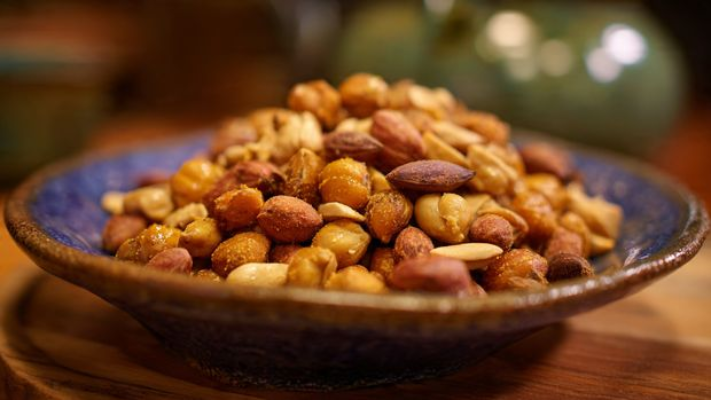
Ingredients:
• ½ cup roasted chana
• ¼ cup peanuts
• Curry leaves
• Rock salt
• A light ghee temper (optional but flavorful)
Method:
Mix all ingredients → store in an airtight container → snack when hungry.
Why it works:
• High in plant protein : Provides essential amino acids that support muscle repair, energy production, and daily strength
• Rich in minerals like magnesium & zinc : Supplies key minerals like magnesium and zinc that aid immunity, nerve function, and metabolic health
• Keeps you full for hours : Slows digestion to promote long-lasting satiety and reduce frequent hunger pangs
• Improves metabolic flexibility : Enhances the body’s ability to efficiently switch between fat and carbohydrate use for steady energy
Science Insight: Protein + Healthy Fats Boost Fullness
Eating protein alongside healthy fats triggers the release of cholecystokinin (CCK), a key hormone that tells your brain you’re full. CCK slows down stomach emptying and stimulates digestive enzymes, which helps your body absorb nutrients efficiently while prolonging feelings of satiety.
This is why snacks like roasted chana with peanuts, paneer with nuts, or curd with seeds keep you satisfied for hours—unlike carbohydrate-heavy options that digest quickly and leave you hungry soon after. By naturally curbing appetite, protein + fat combinations make it easier to avoid overeating and maintain steady energy levels throughout the day, without relying on willpower or strict dieting.
3. Increase Dal, Legumes & Pulses – India’s Most Underrated Protein Superfoods
Dals, beans, and pulses are nutritional treasures in Indian cuisine. They’re affordable, sustainable, and excellent sources of fiber, iron, folate, and antioxidants. However, many households consume very small quantities – not enough to meet daily needs.
How to increase it using legumes:
• Increase dal portion size
• Add sprouts to salads and poha
• Include rajma / chole 2–3 times a week
• Mix multiple dals for richer quality
Rajma + Vegetable Protein Wrap (18-22g)
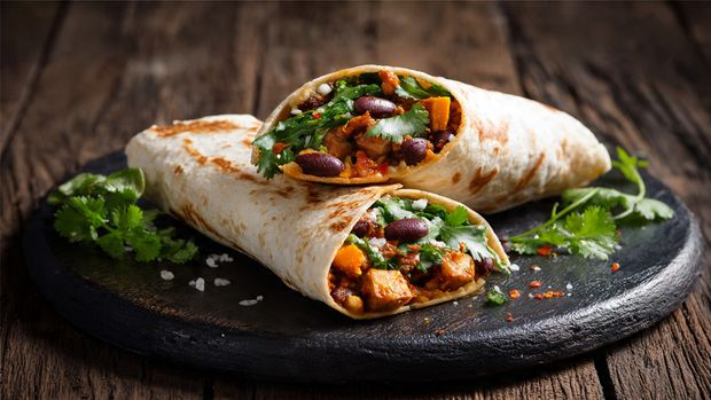
Ingredients:
• 1 cup boiled rajma
• Onions, bell peppers, cabbage
• Lemon juice + chaat masala
• Multigrain roti
Method:
Sauté vegetables and rajma → season → wrap in a multigrain roti.
Why it works: When legumes (high in lysine) pair with grains (high in methionine), the amino acid profile becomes complete, similar to animal protein.
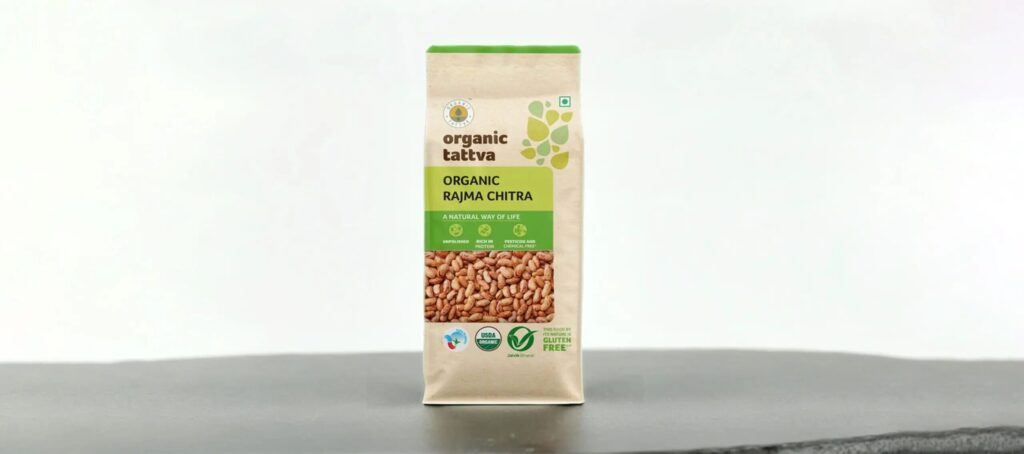
Check Out Pink Tiger Verified Rajma
4. Upgrade Your Rotis – Simple Tweaks That Multiply Protein
A standard wheat roti contains only 2-3g of it. But with tiny changes to your dough, you can double or triple its content.
How to upgrade rotis:
Add to your atta:
• Soy flour – Adds powerful satiety, supports muscle maintenance, and significantly boosts the nutritive value of everyday rotis.
• Besan – Improves fullness, stabilizes blood sugar, and enhances the amino acid quality of wheat-based meals.
• Ragi – Strengthens bones, supports iron levels, and makes rotis more filling and nutrient-dense.
• Flaxseed powder – Supports digestion, reduces inflammation, and promotes hormonal balance with healthy fats and fiber.
• Sesame seeds – Enhances mineral absorption, supports bone health, and adds a rich nutty flavor along with healthy fats.
These ingredients increase not just protein but also minerals and fiber.
Protein-Enriched Roti (5-7g per roti)
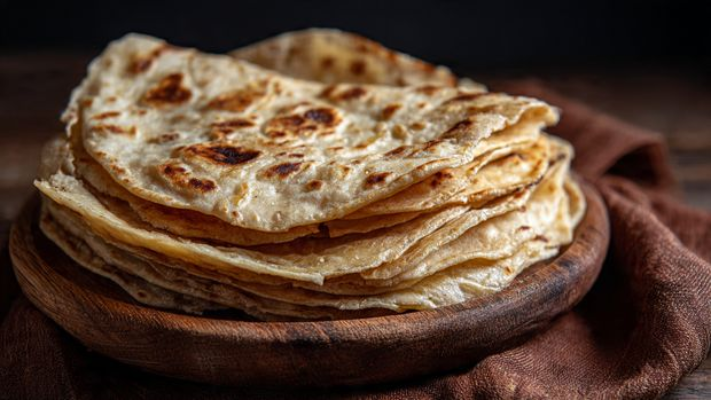
Method:
Mix 1 cup atta with:
• 2 tbsp soy flour
• 2 tbsp besan
• 1 tbsp flaxseed
• Water → knead → cook
Why it works: Combining grains with legumes (atta + besan/soy) improves both quantity and quality.
5. Use Dairy Intelligently – A Complete & Convenient Protein Source
For vegetarians, dairy is one of the easiest ways to meet its requirement.
Use dairy daily:
• Paneer – A slow-digesting dairy staple that supports muscle repair, bone strength, and long-lasting fullness, making it ideal for meals and snacks.
• Greek yogurt – Thick, fermented, and gut-friendly, it helps improve digestion, stabilize blood sugar, and keep you satisfied for hours.
• Buttermilk with seeds – A light, cooling drink enriched with minerals, healthy fats, and fiber that aids digestion, reduces cravings, and supports metabolic health.
• Milk + nuts – A nourishing combination that provides steady energy, supports brain and hormonal health, and prevents late-evening hunger.
Paneer Bhurji Paratha (20-22g)
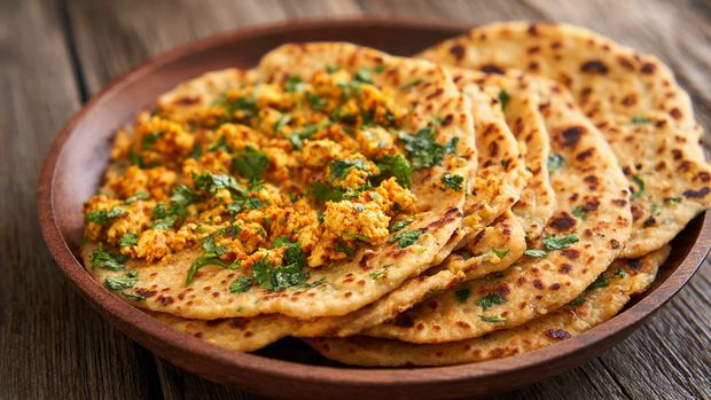
Ingredients:
• 50–70g paneer
• Onion, tomato
• Spices
• Whole-wheat dough
Why it works: Paneer is rich in casein – a slow-digesting protein that keeps you full and supports muscle repair and bone health.
6. Harness the Power of Seeds – Small Ingredients, Big Protein Boost
Seeds are nutrient bombs – high in protein, omega-3s, fiber, antioxidants, and minerals.
Combine them for maximum benefit:
• Chia – Tiny seeds that swell with liquid, support digestion, keep you full longer, and provide steady energy through the day.
• Pumpkin – Rich in zinc and magnesium, these seeds support immunity, hormone balance, and muscle recovery with a satisfying crunch.
• Flax – Packed with omega-3 fats and lignans, flax helps reduce inflammation, support gut health, and improve heart health.
• Sunflower – A great source of vitamin E and healthy fats, sunflower seeds promote skin health, satiety, and sustained energy.
Everyday Seed Protein Sprinkle (6–8g)
Sprinkle on:
• Salads
• Smoothies
• Curd bowls
• Dosa batter
• Dal
Why it works: Seeds improve digestion, reduce inflammation, control cravings, and significantly increase total protein without changing meal quantity.
7. Add Eggs Creatively – Not Just at Breakfast
Eggs are the most affordable complete protein source.
Use eggs beyond breakfast:
Add to rice bowls: Toss boiled or scrambled eggs into rice bowls to make the meal more filling, balanced, and sustaining.
Layer into wraps: Slice or mash eggs into rotis or wraps for an easy upgrade that boosts satiety and flavor.
Mix into stir-fried vegetables: Stir in eggs while sautéing vegetables to enhance texture, nutrient density, and meal satisfaction.
Include in dinner meals: Use eggs in curries, bhurji, or grain-based dinners to create a nourishing evening meal without heaviness.
Masala Egg Bhurji With Spinach (18g)

Ingredients:
• Eggs
• Spinach
• Onion, tomato
• Spices
Why it works: Egg has a perfect biological value and amino acid completeness. The choline supports brain health; lutein supports eyes.
Daily Protein Targets (Simplified Guide)
| Group | Daily Requirement |
| Adult Women | 45-55g |
| Adult Men | 55-65g |
| Active Individuals | 1.2-1.6g/kg |
| Elderly | Higher to prevent muscle loss |
Aiming for 15-25 grams per meal ensures your body receives a steady, usable supply of amino acids throughout the day-supporting muscle repair, hormone production, immunity, and steady energy levels. Instead of loading it into one large meal, spreading it across breakfast, lunch, and dinner helps stabilize blood sugar, reduce cravings, enhance fullness, and prevent the mid-day fatigue that comes from carb-heavy meals.
This range is also ideal for boosting metabolism, preserving lean muscle mass, supporting fat loss, and maintaining hormonal balance. Whether you are vegetarian, vegan, non-vegetarian, sedentary, or active, consistently hitting 15-25g of it per meal is one of the simplest and most effective ways to improve overall health, energy, and long-term nutritional status.
Conclusion
It isn’t just for athletes or gym-goers – it is a fundamental nutrient that shapes every aspect of your health, from your hormones and immunity to your skin, hair, metabolism, and daily energy levels. The beauty is that you don’t need expensive supplements to meet your needs; you simply need to rethink your meals, make small but meaningful upgrades, and choose protein-rich foods that already exist in your kitchen.
When every meal carries it’s steady nutrient – whether through dals, legumes, paneer, eggs, seeds, upgraded rotis, or thoughtful recipes – your body begins to repair, strengthen, and function the way it’s meant to. Within just a few weeks, you’ll notice better satiety, improved mood, sharper focus, stable energy, and even visible changes in hair, skin, and body composition. Nourish consistently, choose intentionally, and let it become the quiet daily habit that transforms your health from the inside out.
Frequently Asked Questions (FAQs)
1.What are the easiest ways to increase protein intake without supplements?
Add it to meals you already eat: choose a rich breakfast (eggs, besan chilla, sprouts), increase dal and legumes in meals, upgrade rotis with besan/soy flour, add seeds to yogurt or salads, and snack on paneer, curd, tofu, roasted chana, or nuts. These simple additions can help most people reach its daily needs naturally.
2. Can vegetarians meet their protein needs without powders?
Yes. A varied vegetarian diet that includes dals, legumes, paneer, tofu, curd, nuts, seeds, sprouts, and multigrain rotis can easily provide 45-65g of it per day. Indian meals naturally create complementary amino acid combinations, making it complete when paired correctly.
3. How do I know if I’m not eating enough protein?
Common signs include hair fall, brittle nails, fatigue, low immunity, slow recovery, sugar cravings, weak muscles, and difficulty losing fat. If these symptoms appear frequently, increasing daily intake can make a noticeable difference in energy and overall health.
4. Is too much protein harmful?
For healthy adults, eating “too much protein” is rarely a concern – most Indians consume too little, not too much. Higher intake supports metabolism, weight control, muscle strength, blood sugar balance, and hormone regulation. Only people with kidney disease need supervised intake.
5. Are these protein strategies safe for children, seniors, and women with PCOS?
Yes – whole-food protein sources are safe and beneficial across all ages. Children need it for growth, seniors require it to prevent muscle loss, and women with PCOS benefit from rich meals for better insulin and hormone regulation.
References
Indian Council of Medical Research (ICMR). (2020). Dietary guidelines for Indians. https://www.nin.res.in
Monteiro, C. A., et al. (2019). Ultra-processed foods and health. Public Health Nutrition, 22(5), 1–9. https://doi.org/10.1017/S1368980018003762
World Health Organization. (2021). Protein and amino acid requirements in human nutrition. https://www.who.int
about:blankTurn on screen reader support
To enable screen reader support, press Ctrl+Alt+Z To learn about keyboard shortcuts, press Ctrl+slash
Banner hidden