Food Transparency & Heavy Metals : 7 Truths Hiding in Food
What’s Hiding in Your Food? The Growing Need for Food Transparency
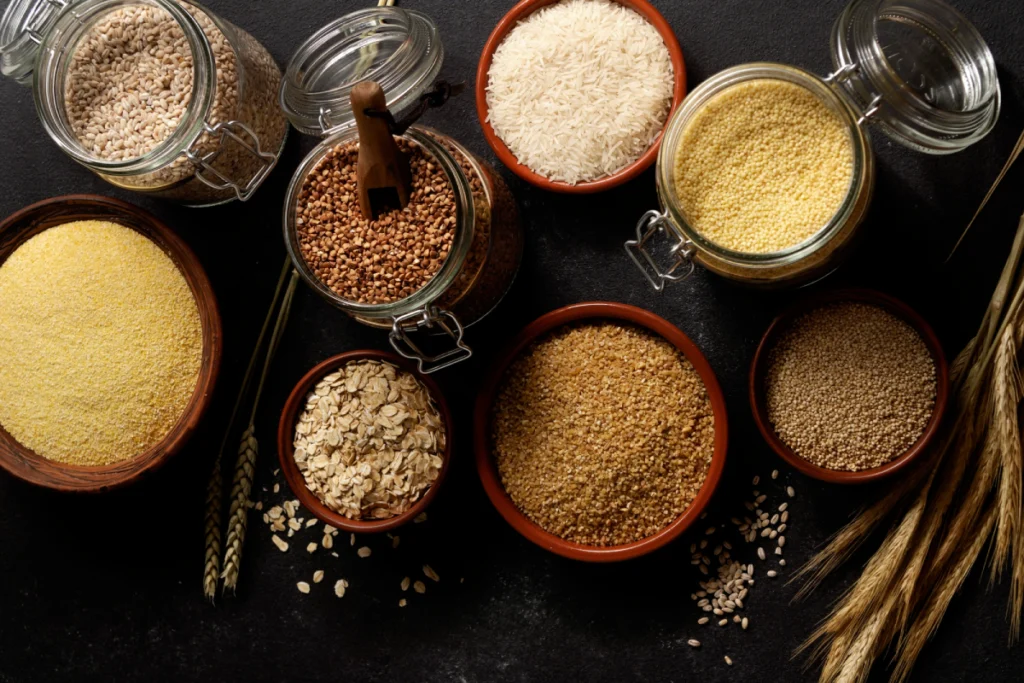
Heavy metals in food are an uncomfortable truth most consumers never think about, yet they quietly make their way into daily meals. From rice and pulses to millets and cereals, foods considered “basic” or even “healthy” can carry trace amounts of toxic elements such as arsenic, cadmium, and lead. Unlike food adulteration that is visible or detectable by taste, heavy metals in food are invisible, tasteless, and cumulative, making them far more dangerous over time.
Despite growing scientific evidence, food transparency around heavy metals in food remains limited. Testing is not routinely disclosed to consumers, and long-term exposure risks are rarely discussed outside scientific circles. This blog uncovers 7 shocking truths about food transparency & heavy metals in food, why they matter, and how they affect both individual health and food safety systems.
Table of Contents
Shocking Truth #1: Heavy Metals Are Present in Everyday Staple Foods
One of the most unsettling facts about heavy metals in food is that they are found not in rare or industrial foods but in staples eaten daily.
Rice, pulses, and millets consistently show detectable levels of arsenic, cadmium, and lead across multiple studies. Because these foods are consumed repeatedly over a lifetime, even low concentrations can accumulate in the body and contribute to chronic toxicity.
Rice is particularly vulnerable due to its growing conditions. Flooded paddy fields increase the mobility of arsenic in soil, making it easier for rice roots to absorb it. Pulses and cereals absorb metals from contaminated soil, irrigation water, and fertilizers. Unlike acute poisoning, this exposure is slow and silent, making heavy metals in food a long-term public health concern rather than an immediate crisis.
What makes this truth shocking is not just the presence of metals but their consistency across food samples, regions, and years.
Shocking Truth #2: “Healthy” Grains Are Not Automatically Safe
Millets and pulses are often promoted as clean, wholesome alternatives to refined grains. While nutritionally rich, they are not immune to contamination.
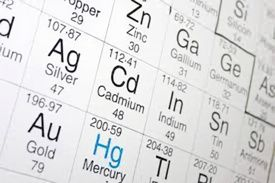
Studies analyzing milled millet samples have found metals such as:
Nickel (Ni)
Nickel is a naturally occurring metal that enters food crops primarily through contaminated soil, industrial emissions, and wastewater irrigation. While trace amounts are unavoidable, excessive nickel intake has been linked to allergic reactions, skin dermatitis, and gastrointestinal distress. Chronic exposure may also interfere with iron absorption and kidney function. Pulses and millets grown in polluted soils have shown elevated nickel levels, making it an emerging concern in plant-based diets.
Lead (Pb)
Lead is one of the most dangerous heavy metals in food due to its potent neurotoxic effects and lack of any biological benefit. Even low-level, long-term exposure can impair brain function, damage the nervous system, and increase the risk of cardiovascular disease. Children are particularly vulnerable, as lead can permanently affect cognitive development and learning ability. Lead enters food crops through contaminated soil, industrial pollution, and legacy pesticide residues.
Chromium (Cr)
Chromium exists in different forms, with trivalent chromium being essential in trace amounts and hexavalent chromium being highly toxic. In contaminated agricultural environments, chromium from industrial effluents and tannery waste can accumulate in soil and enter crops. Excessive chromium intake has been associated with oxidative stress, liver damage, and increased cancer risk, making its presence in cereals and millets a food safety concern.
Zinc (Zn)
Zinc is an essential micronutrient important for immune function, wound healing, and enzyme activity. However, excessive zinc intake from contaminated food can disrupt mineral balance, interfere with copper absorption, and impair immune responses. Elevated zinc levels in crops often result from industrial pollution, sewage sludge application, or metal-rich fertilizers. This highlights how even beneficial minerals can become harmful when present in excess.
Manganese (Mn)
Manganese plays a key role in bone formation, metabolism, and antioxidant defense, but chronic overexposure can negatively affect neurological health. High manganese intake has been linked to symptoms resembling Parkinson’s disease, including motor impairment and cognitive changes. Manganese accumulation in food crops typically occurs through soil contamination and excessive fertilizer use, emphasizing the importance of monitoring even essential trace elements.
Some of these like zinc and manganese are essential nutrients, but excessive intake can still be harmful. Pulses, a major protein source in vegetarian diets, have also shown elevated nickel and lead levels in certain regions.
This truth challenges a common assumption: nutritional value does not negate contamination risk. A food can be high in fiber, minerals, and protein while still carrying unsafe levels of heavy metals in food if grown in polluted soil.
Shocking Truth #3: Rice Absorbs More Arsenic Than Any Other Major Crop
Among all staple grains, rice is uniquely efficient at absorbing arsenic. Its flooded growing conditions create anaerobic soil environments that convert arsenic into forms more easily taken up by plant roots.
Once absorbed, arsenic travels through the plant’s vascular system and accumulates in the grain, the very part we eat. This makes rice a leading contributor to dietary arsenic exposure worldwide.
Long-term consumption of arsenic-contaminated rice has been linked to:
Increased cancer risk
Long-term exposure to heavy metals like arsenic and cadmium is linked to higher risks of cancers, reinforcing why food transparency around contaminant testing is essential for informed dietary choices.
Cardiovascular disease
Heavy metals can disrupt blood vessel function and increase oxidative stress, contributing to heart disease a risk that stronger food transparency could help consumers actively reduce.
Impaired immune function
Chronic intake of contaminated foods can weaken immune responses, making the case for food transparency so individuals can avoid repeated exposure to harmful metals.
Developmental issues in children
Even low-level exposure during early life can impair brain development and learning ability, highlighting the urgent need for food transparency to protect vulnerable populations.
What makes this particularly alarming is rice’s role as a first food for infants, especially in the form of rice cereal. This places vulnerable populations at higher risk of early-life exposure to heavy metals in food.
Shocking Truth #4: Washing and Cooking Cannot Remove All Heavy Metals
Many consumers believe thorough washing or cooking can “clean” food of contaminants. While certain cooking methods can reduce arsenic levels in rice, they do not eliminate heavy metals completely.
Rinsing rice removes surface contaminants but not metals embedded within the grain.
Cooking rice in excess water and draining it can reduce arsenic levels, but cadmium and lead largely remain.
Pressure cooking or soaking has limited impact on total metal content.
Heavy metals bind tightly within plant tissues. Once absorbed from soil, they become part of the food matrix. This means that food preparation alone cannot solve the problem of heavy metals in food, prevention must occur at the agricultural and regulatory level.
How Heavy Metals Enter the Food Chain
To understand why these truths exist, we must look at contamination pathways.
Soil as a Long-Term Reservoir
Soil accumulates heavy metals through industrial emissions, fertilizers, pesticides, and wastewater irrigation. Unlike organic pollutants, heavy metals do not degrade over time.
Irrigation with Contaminated Water
In water-scarce regions, untreated or partially treated sewage water is commonly used for irrigation. This introduces arsenic, nickel, chromium, and cadmium directly into agricultural soils.
Fertilizers and Agrochemicals
Phosphate fertilizers often contain cadmium as an impurity. Repeated application increases soil cadmium levels year after year.
Industrial and Mining Activities
Mining runoff and factory emissions deposit metals like lead, mercury, and chromium into nearby farmland, contaminating crops grown in those areas.
Shocking Truth #5: Children Face the Highest and Most Irreversible Risk
Children are significantly more vulnerable to heavy metals in food than adults. Their bodies absorb metals more efficiently, and their developing brains are highly sensitive to neurotoxic effects.
Even low-level exposure to lead or arsenic during childhood can result in:
Reduced IQ
Chronic exposure to heavy metals in early life is linked to measurable IQ decline, highlighting why food transparency is essential for parents to understand what children are consuming daily.
Learning and attention difficulties
Heavy metals can disrupt brain signaling pathways, leading to poor concentration and learning delays risks that stronger food transparency could help families identify and reduce.
Behavioral problems
Elevated exposure has been associated with impulsivity and behavioral changes in children, reinforcing the need for food transparency around contamination risks in staple foods.
Long-term cognitive impairment
Early exposure may cause irreversible damage to brain development, making food transparency critical for preventing lifelong neurological consequences.
Unlike adults, children have fewer detoxification mechanisms, and the damage caused during early development is often irreversible. This makes heavy metals in food not just a dietary issue, but a serious developmental concern.
Shocking Truth #6: Soil Contamination Can Last for Decades
Once heavy metals enter agricultural soil, they remain for years, sometimes decades. Metals like cadmium and lead bind strongly to soil particles and are repeatedly taken up by crops grown season after season. This means:
Changing crops does not always reduce risk
Heavy metals persist in soil and can be absorbed by different crops in varying amounts, making crop rotation ineffective without testing, highlighting the need for food transparency at the sourcing level.
Organic farming alone does not guarantee metal-free food
Organic standards regulate inputs, not soil history; without food transparency and heavy-metal testing, organically grown foods may still carry legacy contamination.
Previously contaminated land continues to pose risks long after pollution sources stop
Heavy metals remain bound to soil for decades, re-entering the food chain unless remediated—underscoring why long-term food transparency is critical for consumer safety.
This persistence explains why heavy metals in food remain a challenge even when regulations improve. Soil remediation is complex, expensive, and slow.
Shocking Truth #7: Most Consumers Are Never Told What’s in Their Food
Perhaps the most alarming truth is the lack of food transparency.
While food safety authorities test for heavy metals, results are rarely shared publicly. Food labels do not disclose heavy metal levels, leaving consumers unaware of long-term exposure.
This lack of information prevents people from:
Making informed dietary choices
Food transparency enables consumers to understand what’s truly in their food, helping them choose safer staples and diversify diets to reduce long-term exposure to contaminants.
Limiting exposure in children
With food transparency, parents can identify lower-risk foods and brands, an essential step in protecting children from heavy metal exposure during critical stages of brain development.
Holding producers accountable
Food transparency creates accountability by encouraging producers to test, disclose, and maintain safer sourcing practices, strengthening trust across the food system.
Food Transparency is not just about safety, it’s about trust. Without it, consumers are left guessing about the true quality of their food.
Health Consequences of Ignoring Heavy Metals in Food

Short-Term Effects
Fatigue:
Chronic exposure to heavy metals through food can disrupt cellular energy production, leading to persistent fatigue, an issue that underscores the need for greater food transparency around long-term dietary contaminants.
Headaches:
Heavy metals such as lead can interfere with neurological signaling, triggering frequent headaches and highlighting why food transparency is essential for identifying hidden exposure sources.
Digestive discomfort:
Metals like cadmium and arsenic can irritate the gut lining, causing bloating or nausea, reinforcing the importance of food transparency in understanding what enters our daily diet.
General weakness:
Ongoing intake of contaminated foods may impair nutrient absorption and muscle function, making food transparency crucial for preventing avoidable dietary stress on the body.
Long-Term Risks
Kidney and liver damage (cadmium, arsenic):
Long-term intake of cadmium and arsenic through contaminated staples places continuous stress on the kidneys and liver, highlighting why food transparency around heavy metal testing is critical for chronic disease prevention.
Neurological disorders resembling Alzheimer’s or Parkinson’s:
Chronic exposure to neurotoxic heavy metals can disrupt brain signaling and mimic neurodegenerative conditions, reinforcing the need for food transparency to protect long-term cognitive health.
Increased cancer risk:
Arsenic and cadmium are classified carcinogens, and their presence in everyday foods underscores how food transparency can help consumers reduce cumulative cancer risk over time.
Cardiovascular disease:
Heavy metals contribute to oxidative stress and vascular inflammation, increasing the risk of heart disease, an often overlooked consequence that food transparency could help bring to public attention.
Bone demineralization:
Cadmium interferes with calcium metabolism and weakens bone density, making food transparency essential for populations at risk of osteoporosis and age-related fractures.
These effects often appear after years of exposure, making heavy metals in food a silent health threat.
FSSAI Guidelines on Heavy Metals in Food
In India, the Food Safety and Standards Authority of India (FSSAI) regulates permissible limits for heavy metals in food under the Food Safety and Standards (Contaminants, Toxins, and Residues) Regulations, 2011.
Key limits include:
- Lead: 0.2–0.3 mg/kg (food-specific)
- Arsenic: 1.1 mg/kg in rice
- Cadmium: 0.1 mg/kg in pulses
- Mercury: 0.03 mg/kg in cereals
Foods exceeding these limits are deemed unsafe.
Consequences of Non-Compliance
- Fines up to ₹10 lakhs
- Mandatory product recalls
- License suspension or cancellation
- Criminal liability in severe cases
- Public naming of violators
What Can Consumers Do to Reduce Exposure?
While systemic change is essential, individuals can reduce risk by:
- Diversifying grains instead of relying solely on rice
- Avoiding exclusive rice-based diets for infants
- Choosing trusted brands that disclose testing practices
- Supporting food transparency-focused companies
Check Out Pink Tiger Verified Products that are tested for heavy metals too
Conclusion: Why Heavy Metals in Food Demand Attention
Heavy metals in food are not a hypothetical risk, they are a documented reality backed by decades of research. The danger lies not in one meal, but in lifelong exposure through everyday foods.
The solution requires:
- Better agricultural practices
- Stronger regulatory enforcement
- Transparent testing and labeling
- Informed consumer choices
Until food transparency becomes standard, asking what’s hiding in your food remains one of the most important questions we can ask.
Frequently Asked Questions (FAQs)
1. What are heavy metals in food and how do they get there?
Heavy metals in food come from contaminated soil, water, fertilizers, and industrial pollution. Crops absorb these metals naturally during growth, which is why food transparency and regular testing are essential.
2. Are all rice, pulses, and millets contaminated with heavy metals?
Not all, but studies show that contamination is widespread and varies by region, farming practices, and soil quality, making food transparency critical for identifying safer sources.
3. Can cooking or washing food remove heavy metals completely?
No. While certain methods can reduce arsenic levels in rice, most heavy metals remain embedded within the food, reinforcing the importance of food transparency at the sourcing and testing stage.
4. Who is most at risk from heavy metals in food?
Children, pregnant women, and individuals with kidney or liver conditions are most vulnerable, which is why food transparency is especially important for protecting sensitive populations.
5. How can consumers reduce exposure to heavy metals in food?
Diversifying grains, avoiding exclusive rice-based diets, choosing brands that disclose testing practices, and supporting food transparency initiatives can help reduce long-term exposure.
Disclaimer : This content is for informational purposes only and does not replace professional medical advice. Always consult a healthcare provider for dietary or health-related decisions.
Reference:
1. Singh, K., Negi, C., Kumar, A., Chaturvedi, N., & Vyas, P. (2025). Heavy Metal Toxicity in Cereals: Uptake Mechanisms, Physiological Impacts, and Mitigation Strategies. Toxics, 13(12), 1074. https://doi.org/10.3390/toxics13121074
2. Bhoi, R., Naik, B., Pradhan, A. et al. Health risk assessment of heavy metal contamination in rice cultivation of Eastern India. Discov Environ 3, 193 (2025). https://doi.org/10.1007/s44274-025-00348-x
3. Ali, S., Ahirwar, R. Accumulation of toxic metals in vegetable crops and associated dietary exposure risks to human health. Discov Environ 3, 210 (2025). https://doi.org/10.1007/s44274-025-00373-w
4. Kaur, N., Singh, J., Sharma, N. R., Natt, S. K., Mohan, A., Malik, T., & Girdhar, M. (2025). Heavy metal contamination in wastewater-irrigated vegetables: assessing food safety challenges in developing Asian countries. Environmental Science Processes & Impacts, 27(7), 1747–1767. https://doi.org/10.1039/d4em00565a