Makhana: 8 Health Benefits of The Great Indian Popcorn
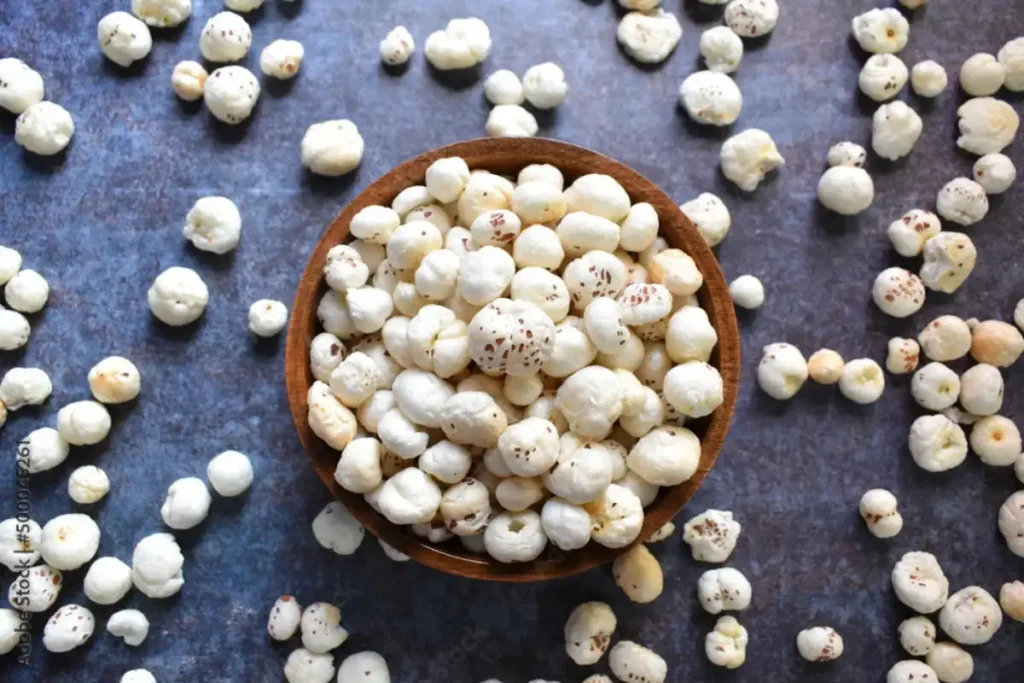
Before we dive into its long history and impressive benefits, it’s important to understand why makhana is suddenly everywhere, from wellness influencers to traditional kitchens and global health conferences. In a world overwhelmed by ultra-processed snacks and sugar-loaded “quick bites,” it stands out as a clean, time-tested superfood that brings together the best of Ayurveda, modern nutrition, and mindful eating. It represents the shift millions are making today: moving away from chemical-heavy convenience foods and returning to ingredients that are pure, ancestral, and genuinely nourishing.
Table of Contents
A Legacy Rooted in Ayurveda and Tradition
Some foods don’t just nourish the body, they carry stories, culture, and quiet wisdom. Makhana, also known as fox nuts or lotus seeds, is one such treasure. It has journeyed across centuries, from sacred Ayurvedic texts to the modern wellness movement, surviving and thriving long before “superfoods” became a trend.
Long before supermarkets existed, it grew humbly in the still waters of ponds and wetlands, harvested from the Euryale ferox plant. Generations ago, it was considered a sattvic food pure, calming, grounding. Ayurvedic practitioners often prescribed it for its cooling effect on the body, its ability to soothe inflammation, and its role in building strength without straining digestion.
Monks and yogis relied on it for sustained energy. Its light, nourishing properties made it ideal for long hours of meditation and mental work. It wasn’t just food, it was part of a lifestyle rooted in balance, discipline, and vitality.
And now, in an era where ultra-processed snacks dominate shelves and stress-related disorders are common, many are returning to makhana. Traditional wisdom, it seems, had been quietly telling us all along what modern science is only beginning to validate.
Makhana: A Nutritional Powerhouse
At the NXT Conclave 2025, renowned holistic health expert Luke Coutinho described makhana as “The Great Indian Popcorn.”
A simple phrase, but a powerful one, because it highlights exactly what makes it special.
Unlike regular popcorn that is often drenched in artificial seasonings, synthetic butter, preservatives, or hydrogenated oils, it remains largely untouched by processing. It is naturally gluten-free, low in calories, rich in minerals, and incredibly versatile.
Watch: Luke Coutinho on Why Makhana is the Ultimate Superfood
For a population trying to break free from addictive packaged snacks, it offers a clean, nourishing, distinctly Indian alternative.
Scientifically Validated 8 Health Benefits of Makhana
For centuries, Ayurveda praised it for its ability to calm inflammation, strengthen digestion, support kidney health, and improve stamina. Today, modern nutrition science echoes the same ideas through clinical evidence, measurable outcomes, and biochemical analysis.
Below is a deeper look at what makes it truly extraordinary.
1. Rich in Natural Antioxidants
It contains powerful compounds like kaempferol, known for its anti-inflammatory and anti-aging properties. These antioxidants help reduce oxidative stress, a key factor behind chronic diseases such as cancer, diabetes, and neurodegenerative conditions.
By neutralizing free radicals, it supports cellular repair and slows down damage caused by pollution, poor diet, and stress.
2. Supports Metabolic and Blood Sugar Health
One of the strongest scientific validations of makhana is its low glycemic index.
This means it releases energy slowly, avoids blood sugar spikes, and supports insulin sensitivity.
It is an excellent snack for:
– people with diabetes
– those managing PCOS
– individuals working on weight loss
– anyone with unstable energy levels or sugar cravings
Because it digests slowly, it keeps you full longer, reducing the urge to snack mindlessly.
3. Aids in Weight Management
The combination of fiber + resistant starch makes makhana extremely filling. Resistant starch also feeds beneficial gut bacteria, helping maintain a healthy microbiome.
When your gut functions well:
– Digestion improves : Makhana contains natural fiber and resistant starch that move slowly through the digestive tract, adding bulk and supporting smoother bowel movements. These fibers nourish beneficial gut bacteria, which play a major role in reducing inflammation, improving nutrient absorption, and keeping the digestive system functioning efficiently. A healthier gut environment also means fewer issues like bloating, acidity, and irregularity.
– Cravings reduce : The slow-digesting carbohydrates in makhana release energy steadily instead of causing quick blood sugar spikes and crashes. This stable energy curve helps prevent sudden hunger pangs and emotional cravings. Because makhana keeps you full for longer, you’re less likely to reach for sugary, fried, or ultra-processed snacks in between meals.
– Metabolism stays stable : A steady release of energy, supported by the nutrient density of makhana—especially magnesium—helps regulate how efficiently your body burns calories. Magnesium plays a crucial role in enzyme activity, glucose utilization, and muscle function. When your blood sugar stays balanced and digestion runs smoothly, your metabolism remains consistent instead of fluctuating throughout the day.
– Fat storage decreases : When your blood sugar and insulin levels stay stable, your body is less likely to store excess calories as fat. High-fiber foods like makhana slow down digestion and prevent insulin spikes, which signals the body to burn energy rather than store it. Over time, this leads to reduced fat accumulation, especially around the belly area.
This makes it an ideal late-evening or mid-morning snack.
4. Supports Heart and Blood Vessel Health
Makhana is naturally rich in magnesium, a mineral essential for:
– Regulating blood pressure : Magnesium in makhana supports the body’s natural ability to maintain stable blood pressure by balancing electrolytes and reducing fluid retention. Consistent intake helps prevent sudden spikes caused by stress, poor diet, or excess sodium.
– Relaxing blood vessels : Makhana’s minerals help the smooth muscles of blood vessels relax, improving circulation and easing strain on the heart. This relaxation effect also supports better oxygen delivery throughout the body.
– Preventing arterial stiffness : Regular consumption may slow down the hardening of arteries by reducing inflammation and oxidative stress. Flexible arteries allow the heart to pump more efficiently with less resistance.
– Reducing risk of stroke : By supporting healthy blood pressure, improving vessel elasticity, and lowering inflammation, makhana indirectly lowers overall stroke risk. Its antioxidant profile further protects the brain and blood vessels from oxidative damage.
– Enhancing overall cardiovascular function: The combined benefits of stable circulation, reduced oxidative stress, and improved vessel health contribute to stronger heart performance. Over time, makhana helps optimize the heart’s workload and supports long-term cardiovascular resilience.
In a world where hypertension is rising rapidly, especially among younger adults, magnesium-rich foods play a vital protective role.
5. Enhances Bone and Joint Strength
Makhana provides a natural mix of calcium, phosphorus, and magnesium, all crucial for bone mineral density. This makes it especially beneficial for:
– Women approaching menopause : Makhana provides natural calcium, magnesium, and phosphorus, which support bone density during the years when estrogen levels drop and bone loss accelerates. Its calming minerals also help ease sleep issues, irritability, and mild anxiety commonly experienced during perimenopause.
– Older adults : For seniors, makhana offers easy-to-digest nutrition with minerals that support heart health, blood pressure stability, and joint function. Its light texture and sattvic nature make it ideal for those with weaker digestion or reduced appetite.
– People with joint issues : The calcium–phosphorus–magnesium trio in makhana helps maintain joint lubrication, cartilage strength, and bone support. Its anti-inflammatory antioxidants also help reduce stiffness and everyday discomfort.
– Those with low dietary calcium : Makhana acts as a clean, vegetarian-friendly source of calcium and phosphorus, boosting daily intake without relying on supplements. When consumed regularly, it helps support bone density, teeth strength, and overall musculoskeletal health.
Unlike supplements, it offers minerals in a form the body can absorb easily.
6. Promotes Kidney Detoxification
In Ayurveda, it is known for its astringent properties, which help tone and detoxify the kidneys. It supports urinary health and assists in flushing out toxins without stressing the body.
This makes it a good option for people with urinary tract issues, water retention, or sluggish detox pathways.
7. Helps Balance Hormones and Support Fertility
It contains zinc and magnesium, two minerals linked with hormonal balance. These nutrients help:
– Regulate reproductive hormones : Makhana’s zinc and magnesium content supports the endocrine system, helping the body maintain stable levels of estrogen, progesterone, and testosterone. Consistent intake may promote hormonal balance, especially during stress, cycle fluctuations, or metabolic changes.
– Improve egg and sperm quality : The antioxidants in makhana reduce oxidative stress, one of the biggest contributors to poor egg and sperm health. Its minerals support better cellular function, improving motility, morphology, and overall reproductive vitality.
– Reduce PMS symptoms : Makhana provides magnesium and amino acids that calm the nervous system and ease muscle tension, reducing cramps, mood swings, and irritability. Its steady energy release also prevents blood-sugar–related PMS cravings and fatigue.
– Support thyroid function : Its minerals, especially zinc and magnesium, play a key role in converting T4 to active T3 hormones, ensuring optimal thyroid performance. Regular consumption supports metabolism, energy levels, and hormonal stability tied to thyroid health.
Ayurvedic practitioners have used makhana-based preparations for decades to support reproductive vitality in both men and women.
8. A Natural Stress Reliever
The calming properties come from:
– magnesium
– certain amino acids
– its sattvic nature
– its gut-friendly fibers
These components help regulate the nervous system, reduce anxiety, and support deeper sleep. For people dealing with long work hours, screen fatigue, and chronic stress, it acts as a gentle, natural relaxant.
A Call for Mindful Snacking
Snacking today is rarely about hunger.
It’s about:
– stress
– boredom
– emotional triggers
– convenience
– habit
And the problem is not snacking, it’s what we snack on.
The majority of packaged snacks contain:
– artificial flavors
– refined oils
– preservatives
– synthetic colors
– hidden sugars
– emulsifiers
These ingredients disrupt gut health, spike inflammation, and lead to long-term metabolic damage.
Makhana, on the other hand, provides:
– steady energy
– low inflammation
– nutrient density
– clean satiety
This is why experts like Luke Coutinho urge people to make simple swaps, like replacing chips with roasted makhana.
Even national initiatives, such as Prime Minister Narendra Modi’s Fit India Movement and the global push around indigenous grains and superfoods, highlight the urgency to return to natural, traditional foods like ragi, millets, amla, and makhana.
The goal is clear: move from processed to pure, from artificial to ancestral.
Functional Health Meets Flavor
A major reason makhana’s popularity is rising again? It’s delicious.
It absorbs flavors beautifully and can be prepared in countless ways savory, sweet, creamy, crunchy, roasted, powdered, or even kneaded into dough.
Whether you prefer a spicy evening snack or a comforting breakfast bowl, makhana fits effortlessly into your lifestyle.
Try these three simple yet delicious recipes
1. Makhana Veggie Tikki
A protein- and fiber-rich snack.

- Mix: 1 cup roasted, powdered makhana + 1 boiled potato + 2 tbsp besan + grated carrot, spinach, capsicum + spices (cumin, ginger, chaat masala) + lemon juice.
- Shape: Into tikkis.
- Cook: On a tawa till golden brown.
- Tip: Add paneer for a protein boost or peanuts for crunch!
2. Makhana Thepla
A gut-friendly Indian flatbread.

- Knead: ½ cup makhana flour + ½ cup khapli wheat flour + turmeric, ajwain, ginger, salt + coriander + water.
- Roll: Into theplas and roast on a tawa.
- Tip: Mix in sesame seeds or methi for extra nutrition.
3. Makhana Power Salad
A quick, refreshing bowl.
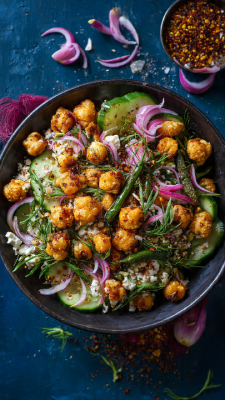
- Toss: 1 cup roasted makhana + chopped cucumber, tomatoes + boiled chickpeas + lemon juice + chaat masala + coriander.
- Tip: Add pomegranate or roasted peanuts for a sweet and crunchy twist.
Explore Pink Tiger Verified Product
When choosing any products, purity matters. Hand-picked, small-batch, naturally dried makhana ensures better texture, better nutrient retention, and better taste. NATURAL TATTVA’s Pink Tiger Verified Makhana embodies that standard, clean, whole, and rooted in India’s timeless food heritage.

The Takeaway: A Return to Nature, Nourishment, and Simplicity
Makhana is more than a trending superfood. It represents a quiet revolution, a return to real food, mindful eating, and traditional wisdom.
Whether you’re roasting it with ghee and turmeric, shaping it into tikkis, rolling it into theplas, or tossing it into fresh salads, makhana brings both flavor and function to your meals.
In a world full of quick fixes and chemical-laden snacks, choosing makhana is choosing nourishment, stability, and gentle wellness, bite by bite.
Ready to make the switch from processed snacks to pure, powerful superfoods?
Your body and your taste buds will thank you.
Frequently Asked Questions (FAQs)
1. Is makhana good for daily consumption?
Yes. Makhana is mild, sattvic, and easy to digest, making it suitable for daily consumption. Its low glycemic index, high magnesium content, and antioxidant profile make it a great everyday snack, especially for people managing blood sugar, weight, or digestive health. Just keep portion sizes moderate (1–1.5 cups roasted per day).
2. Is makhana good for heart health?
Makhana is naturally rich in magnesium, a mineral that supports relaxed blood vessels, stable blood pressure, and better cardiovascular function. Its antioxidant compounds also reduce inflammation, which is a major contributor to heart disease. Choosing roasted makhana instead of fried snacks further protects heart health.
3. Is makhana safe for kids and older adults?
Makhana is one of the safest, gentlest snacks for both children and seniors. It’s gluten-free, light on digestion, and free from common allergens. Kids benefit from the minerals and fiber, while seniors benefit from its support for bone density, digestion, and blood pressure regulation.
4. Can makhana be eaten during fasting?
Yes. In many Indian traditions, makhana is considered a fasting-friendly food because it is sattvic, light, and energizing. It provides sustained energy without burdening digestion, making it ideal for Navratri, Ekadashi, or intermittent fasting.
5. What is the best way to store makhana?
Store makhana in an airtight container in a cool, dry place. Because it absorbs moisture easily, keeping it sealed helps maintain crispness and prevents spoilage. If it becomes soft, you can re-roast it for a few minutes to restore crunch.
Disclaimer: This content is for informational purposes only and is not a substitute for professional medical advice, diagnosis, or treatment. Always consult a qualified healthcare provider for any questions or concerns regarding your health.
References:
1. Liaquat, M., Pasha, I., Ahsin, M. et al. Roasted fox nuts (Euryale Ferox L.) contain higher concentration of phenolics, flavonoids, minerals and antioxidants, and exhibit lower Glycemic Index (GI) in human subjects. Food Prod Process and Nutr 4, 1 (2022). https://doi.org/10.1186/s43014-021-00081-x
2. Das, S., Der, P., Raychaudhuri, U., Maulik, N., & Das, D. K. (2006). The effect of Euryale ferox (Makhana), an herb of aquatic origin, on myocardial ischemic reperfusion injury. Molecular and cellular biochemistry, 289(1-2), 55–63. https://doi.org/10.1007/s11010-006-9147-1
3. Li, Q., Li, H.-T., Bai, Y.-P., Zhu, K.-R., & Huang, P.-H. (2022). Effect of Thermal Treatment on the Physicochemical, Ultrastructural, and Antioxidant Characteristics of Euryale ferox Seeds and Flour. Foods, 11(16), 2404. https://doi.org/10.3390/foods11162404
4. Joseph, A., & Ramesh, G. (2023). Nutrient Analysis, Phytochemical and Antioxidant Activity of a Food Product Formulated with Fox Nuts (Euryale ferox). Asian Journal of Biological and Life Sciences, 12(2), 279–285. https://doi.org/10.5530/ajbls.2023.12.38
5. Khan, A., & Bukya, A. (2025). Development and evaluation of a plant-based flavored milk alternative from Euryale ferox seeds. Journal of Current Research in Food Science, 6(2), 35–39. https://doi.org/10.22271/foodsci.2025.v6.i2a.243
6. Kumar, N., Rani, S., Kuamr, G., Kumari, S., Singh, I. S., Gautam, S., & Choudhary, B. K. (2019). Physiological and biochemical responses of Makhana (Euryale ferox) to gamma irradiation. Journal of biological physics, 45(1), 1–12. https://doi.org/10.1007/s10867-018-9511-x
7. View of COMPREHENSIVE ANALYSIS OF CARBOHYDRATE AND PROTEIN PROFILES IN MAKHANA (EURYALE FEROX) AND RAMDANA (SCHOENOPLECTIELLA ARTICULATA) FROM WETLAND ECOSYSTEMS IN DARBHANGA DISTRICT. (n.d.). http://granthaalayahpublication.org/Arts-Journal/ShodhKosh/article/view/4818/4361
8. https://apexjournals.org/admin/publishpaper/AJIR0102003AJIR0102003.pdf. (n.d.).