10 Shocking Health Myths from 2016, Busted by Science 2026

If you scroll through Instagram today, 2016 feels oddly familiar again. Old-fashioned trends, throwback music, and even wellness habits are resurfacing. Back then, health advice was fast, aesthetic-driven, and often extreme. Detox teas promised flat stomachs in seven days. Fat-free labels dominated supermarket shelves. Clean eating turned into a rigid rulebook rather than a lifestyle.
Table of Contents
Why 2016 Health Advice Deserves a Second Look
Most people followed these trends with good intentions. The goal was better energy, weight control, and overall well-being. The problem wasn’t motivation; it was misinformation. Much of the wellness advice in 2016 was built on oversimplified science, influencer marketing, and fear-based messaging.
By 2026, nutrition and health science have evolved significantly. Research now focuses on metabolic health, gut diversity, sustainable habits, and individual needs rather than one-size-fits-all rules. Looking back at health myths we believed in 2016 helps us understand how wellness culture has matured and how to approach today’s trends with more clarity and scepticism.
Health Myth 1: Detox Teas and Cleanses Remove Toxins

In 2016, detox teas and juice cleanses were everywhere. Influencers promoted them as a way to “flush toxins,” reset digestion, and rapidly lose weight. The messaging suggested that the body was constantly accumulating toxins and that special teas or short-term cleanses were the solution.
What science has made clear since then is that the body already has an advanced detoxification system. The liver converts toxins into compounds that can be excreted, the kidneys filter waste through urine, and the gut removes what the body doesn’t need. No external tea or cleanse enhances this process in a clinically meaningful way.
Multiple reviews have shown that detox products offer no proven detoxification benefits. Any short-term weight loss is usually due to water loss and reduced calorie intake, not toxin removal. Repeated cleansing can actually do more harm than good.
What research now shows:
▪️Detox teas do not improve liver or kidney function
▪️Rapid “detox weight loss” is temporary and reversible
▪️Restrictive cleanses increase the risk of nutrient deficiencies
Source: Harvard Health – The dubious practice of detox diets
British Dietetic Association on detox diets
2026 perspective: Supporting natural detox pathways through fibre-rich foods, adequate protein, hydration, sleep, and gut health is far more effective than any detox tea.
Health Myth 2: Fat-Free Foods Are Healthier
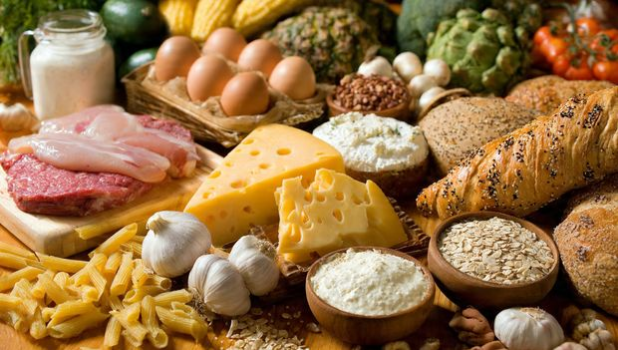
The fear of fat was still deeply ingrained in 2016. Many people believed that cutting fat was essential for weight loss and heart health. Food brands capitalised on this by flooding the market with fat-free yoghurts, snacks, and ready-to-eat meals.
Over time, research revealed a major flaw in this logic. When fat is removed from food, taste and texture often suffer. To compensate, manufacturers add sugar, refined starches, and additives, making many fat-free products more processed and less nutritious.
Large-scale studies over the past decade have consistently shown that fat quality matters far more than fat quantity. Unsaturated fats support heart health, hormone production, brain function, and nutrient absorption. Saturated fats, when consumed excessively, may increase LDL cholesterol, but eliminating all fats is neither necessary nor beneficial.
What modern guidelines emphasise:
▪️Replacing saturated fats with unsaturated fats
▪️Including omega-3 fats for cardiovascular and cognitive health
▪️Limiting ultra-processed low-fat products
Source: WHO updated guidelines on dietary fats
2026 takeaway: Healthy fats, from nuts, seeds, olive oil, fish, and even traditional fats in moderation, are essential, not something to fear.
Health Myth 3: Gluten-Free Diets Are Better for Everyone

By 2016, gluten-free eating had moved far beyond medical necessity. Avoiding gluten became a badge of “clean eating,” even among people with no digestive symptoms or diagnosed intolerance. Many believed gluten was inherently inflammatory or fattening.
Long-term research has since clarified that gluten is harmful only for specific populations, namely, those with coeliac disease or non-coeliac gluten sensitivity. For the majority of people, whole grains containing gluten contribute valuable fibre, B vitamins, and phytonutrients.
Huge cohort studies have found no clear health advantage to avoiding gluten unnecessarily. In fact, cutting out gluten without proper planning may reduce dietary diversity and negatively impact gut microbiome health.
What the evidence shows:
▪️Gluten-free diets are essential for coeliac disease
▪️Unnecessary restriction may reduce fibre intake
▪️Gut health benefits from diverse plant foods, including whole grains
Source: BMJ prospective cohort study on gluten intake
Nature Reviews on Gut micro-organisms associated with health, nutrition and dietary interventions
2026 takeaway: Gluten-free is a medical tool, not a universal wellness upgrade.
Health Myth 4: Coconut Oil Is a Miracle Fat
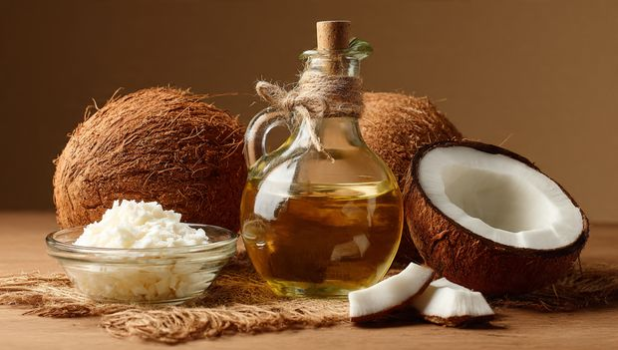
Few foods had a bigger moment in 2016 than coconut oil. It was added to coffee, smoothies, cooking, and skincare routines, often marketed as a metabolism-boosting superfood that could replace all other oils.
More recent systematic reviews have taken a far more balanced view. While coconut oil does contain medium-chain triglycerides (MCTs), it is still high in saturated fat. Excessive intake may raise LDL cholesterol, particularly when it replaces unsaturated fats in the diet.
Current evidence suggests that coconut oil isn’t inherently harmful, but it also isn’t magical. Its health impact depends on overall dietary context, portion size, and fat balance.
Key findings from recent reviews:
▪️Coconut oil may raise HDL cholesterol
▪️LDL cholesterol may also increase with frequent use
▪️It should not replace oils rich in unsaturated fats
Source: Coconut-sourced MCT oil: its potential health benefits beyond traditional coconut oil
Harvard Health on coconut oil myths
2026 takeaway: Coconut oil can be used occasionally, but variety and moderation are key.
Health Myth 5: Clean Eating Means Cutting Entire Food Groups
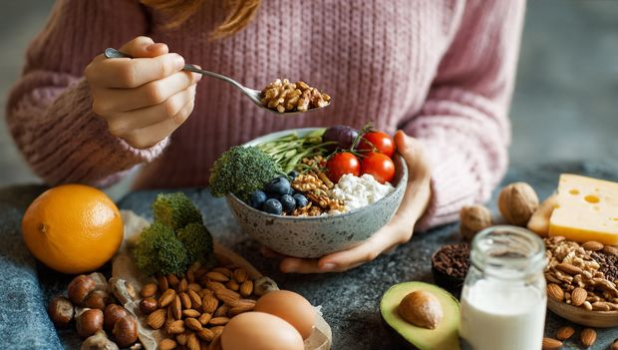
In 2016, “clean eating” often became synonymous with restriction. Entire food groups: dairy, grains, legumes, and sugar were labelled as bad or impure. Food choices were moralised, leading many people to associate eating with guilt and anxiety.
Nutrition psychology and behavioural science now show that rigid food rules increase stress, binge-restrict cycles, and long-term dissatisfaction. Diets that are overly restrictive are harder to sustain and often backfire metabolically and mentally.
Modern nutrition takes a far more inclusive approach. Instead of asking what to eliminate, the focus is on what to add, such as fibre, protein quality, micronutrients, and cultural foods that fit real lifestyles.
What modern nutrition prioritises:
▪️Dietary diversity and flexibility
▪️Cultural and lifestyle suitability
▪️Long-term sustainability over perfection
Research link: Eating disorder cognitions: a comparison between Avoidant/Restrictive Food Intake Disorder (ARFID) and Anorexia Nervosa
2026 takeaway: Health improves with balance, not fear-driven food rules.
Health Myth 6: Supplements Can Replace a Balanced Diet

In 2016, supplements were often marketed as nutritional shortcuts. Multivitamins, detox capsules, and superfood powders promised to “cover all bases,” even when everyday diets were inconsistent or poor. The underlying message was simple: if you take the right pill, food quality matters less.
Over the last decade, research has strongly challenged this idea. While supplements can play a valuable role, they cannot replicate the complexity of whole foods. Real foods provide fibre, phytonutrients, enzymes, and nutrient interactions that supplements simply cannot mimic.
Large reviews now show that supplements are most effective when they are targeted to correct specific deficiencies or support particular life stages, not when taken indiscriminately.
What current evidence supports:
▪️Whole foods remain the primary source of nutrition
▪️Supplements work best for identified gaps (vitamin D, B12, iron, iodine)
▪️Excess or unnecessary supplementation can cause imbalances
2026 takeaway: Supplements support nutrition; they don’t substitute it.
Health Myth 7: More Protein Automatically Means Better Health
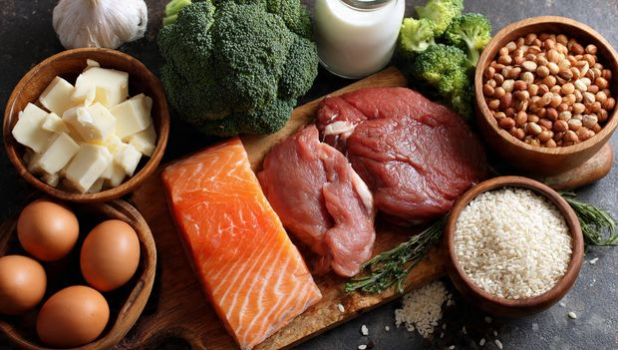
Protein obsession peaked around 2016. Shakes, bars, and powders became daily staples, even for people with low activity levels. The assumption was that more protein always meant better metabolism, faster fat loss, and superior health.
Modern research paints a more nuanced picture. Protein is essential; it supports muscle, immunity, and healthy ageing, but needs vary significantly based on age, activity level, gut health, and overall diet quality. Excessive protein intake, especially when fibre intake is low, can strain digestion and displace other important nutrients.
Recent studies also highlight the importance of protein quality and timing, not just quantity.
What science now emphasises:
▪️Protein needs are individual, not universal
▪️Whole-food protein sources offer additional nutrients
▪️Balance with fibre supports gut and metabolic health
Source: Protein and Aging: Practicalities and Practice
2026 takeaway: Adequate protein matters, but more is not always better.
Health Myth 8: Cardio Is the Best Way to Lose Fat

In 2016, fat loss advice was dominated by cardio. Long treadmill sessions, spin classes, and endless step goals were promoted as the most effective way to burn fat.
Over the last decade, exercise science has shifted focus from calorie burn alone to metabolic health. Resistance training has been shown to improve insulin sensitivity, preserve lean muscle mass, and support resting metabolic rate, factors that become increasingly important with age.
Cardio still plays a role, but it’s no longer viewed as the sole or superior strategy.
What modern fitness science supports:
▪️Strength training 2–3 times per week
▪️Daily non-exercise movement (NEAT)
▪️Cardio as a complement, not a replacement
Source: BMC Public Health randomised trial on resistance training and metabolic health
2026 takeaway: Muscle is metabolically protective and essential for long-term health.
Health Myth 9: Natural or Organic Always Means Safe

In 2016, “natural” became synonymous with safe and harmless. Herbal supplements, plant extracts, and organic products were often assumed to be risk-free simply because they came from natural sources.
Recent safety reviews tell a different story. Natural supplements can interact with medications, vary widely in quality, and lack consistent regulation. Without proper dosing and testing, even natural compounds can cause side effects or toxicity.
Modern health guidance now stresses the importance of evidence, quality control, and individual suitability regardless of whether a product is natural or synthetic.
What matters in 2026:
▪️Dose and formulation
▪️Third-party testing and sourcing
▪️Individual health context
Source: FDA guidance on dietary supplement safety
2026 takeaway: Natural still requires evidence and accountability.
Health Myth 10: Quick-Fix Diets Deliver Long-Term Results
Crash diets, juice fasts, and extreme plans were hugely popular in 2016. They promised dramatic transformations in weeks but rarely discussed what happened afterwards.
Behavioural and metabolic research now confirms what many experienced firsthand: extreme restriction leads to metabolic adaptation, increased hunger hormones, and high rates of weight regain. Short-term intensity rarely translates into long-term success.
Sustainable habits built gradually and consistently outperform quick fixes across nearly all health outcomes.
What long-term research shows:
▪️Extreme diets are difficult to maintain
▪️Weight regain is common after rapid loss
▪️Habit-based approaches improve adherence
Source: Weight regain does not eliminate the long term benefits of weight management programmes
2026 takeaway: Consistency beats intensity every time.
Where Pink Tiger Fits into Modern Nutrition
As nutrition science evolved after 2016, so did the approach to evaluating everyday products. Rather than accepting claims at face value, evidence-backed testing and transparency are now essential.
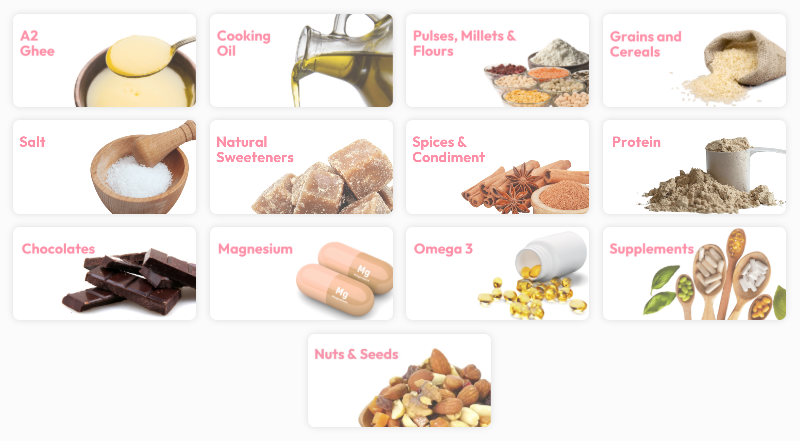
Pink Tiger serves as a trusted testing platform, rigorously evaluating a variety of products and supplements to ensure safety, efficacy, and quality. Our approach focuses on:
▪️Testing a wide range of supplements and products for accuracy and effectiveness
▪️Providing clear, transparent results to help consumers make informed choices
▪️Highlighting products that are consistent, reliable, and free from any harmful substances.
This reflects the modern 2026 approach: Supplements and products are most valuable when tested, verified, and used thoughtfully alongside balanced nutrition, rather than relied on as shortcuts.
2016 vs 2026: How Health Thinking Changed
| Area | 2016 | 2026 |
| Weight focus | Scale & aesthetics | Metabolic health |
| Nutrition | Restriction-driven | Balanced & personalised |
| Fitness | Cardio-heavy | Strength + movement |
| Supplements | Generic use | Targeted, evidence-based |
| Mindset | Quick fixes | Sustainable habits |
Quick Recap: Health Myth vs Fact
| 2016 Myth | 2026 Reality |
| Detox cleanses work | Body detoxes itself |
| Fat-free is healthier | Healthy fats are essential |
| Gluten-free suits all | Necessary only for some |
| Coconut oil is magic | Moderation matters |
| Clean eating is restriction | Diversity supports health |
| Supplements replace food | They support food |
| More protein is better | Balance is key |
| Cardio burns fat best | Muscle protects metabolism |
| Natural is always safe | Evidence matters |
| Quick fixes last | Habits win |
Final Thoughts: What 2016 Taught Us About Wellness
Looking back at 2016 wellness trends isn’t about criticism; it’s about learning. That era sparked important conversations about food quality and lifestyle awareness, but it also showed how easily health advice can become oversimplified and trend-driven.
By 2026, the biggest lesson is clear: real health isn’t built on hacks or extremes. It’s built on evidence, balance, individuality, and consistency. As new wellness trends emerge, remembering the myths of 2016 can help us choose habits that actually support long-term well-being.
Frequently Asked Questions (FAQs)
1. Why were so many health myths popular in 2016?
In 2016, social media amplified quick fixes and visual results. Many health myth spread because they promised fast weight loss or detox benefits, even though long-term research did not support them.
2. Are all health myth completely false?
Not always. Some health myths are based on partial truths but taken out of context. For example, certain foods or supplements may help specific people, but they don’t work the same way for everyone.
3. Why do quick-fix diets fail in the long run?
Crash diets trigger metabolic adaptation and poor adherence, leading to weight regain. Sustainable habits and consistency produce lasting results.
4. Are health trends from 2016 still relevant today?
Some ideas remain useful, but many 2016 health trends were oversimplified. New research shows that personalised, balanced, and evidence-based approaches work better long term.
5. Is cutting entire food groups necessary for good health?
For most people, no. Eliminating food groups without medical reasons can reduce nutrient diversity and harm gut health. Balance and variety are key.
References:
1. Harvard Health. (2008, May 1). The dubious practice of detox. https://www.health.harvard.edu/staying-healthy/the-dubious-practice-of-detox
2. Bda. (n.d.). Detox diets. British Dietetic Association. https://www.bda.uk.com/resource/detox-diets.html
3. World Health Organization: WHO. (2023, July 17). WHO updates guidelines on fats and carbohydrates. WHO Updates Guidelines on Fats and Carbohydrates. https://www.who.int/news/item/17-07-2023-who-updates-guidelines-on-fats-and-carbohydrates
4. Lebwohl B, Cao Y, Zong G, Hu F B, Green P H R, Neugut A I et al. Long term gluten consumption in adults without celiac disease and risk of coronary heart disease: prospective cohort study BMJ 2017; 357 :j1892 doi:10.1136/bmj.j1892
5. Asnicar, F., Manghi, P., Fackelmann, G. et al. Gut micro-organisms associated with health, nutrition and dietary interventions. Nature (2025). https://doi.org/10.1038/s41586-025-09854-7
6. Duranova, H., Kuzelova, L., Fialkova, V. et al. Coconut-sourced MCT oil: its potential health benefits beyond traditional coconut oil. Phytochem Rev 24, 659–700 (2025). https://doi.org/10.1007/s11101-024-09969-1
7. Harvard Health. (2018, August 22). Ask the doctor: Coconut oil and health. https://www.health.harvard.edu/staying-healthy/coconut-oil
8. Wilkinson, H., Carbonnier, A., Wilkinson-Herbots, H. et al. Eating disorder cognitions: a comparison between Avoidant/Restrictive Food Intake Disorder (ARFID) and Anorexia Nervosa. J Eat Disord 13, 262 (2025). https://doi.org/10.1186/s40337-025-01341-8
9. Sesso, H. D., Christen, W. G., Bubes, V., Smith, J. P., MacFadyen, J., Schvartz, M., Manson, J. E., Glynn, R. J., Buring, J. E., & Gaziano, J. M. (2012). Multivitamins in the prevention of cardiovascular disease in men: the Physicians’ Health Study II randomized controlled trial. JAMA, 308(17), 1751–1760. https://doi.org/10.1001/jama.2012.14805
10. Harris, S., DePalma, J., & Barkoukis, H. (2025). Protein and Aging: Practicalities and Practice. Nutrients, 17(15), 2461. https://doi.org/10.3390/nu17152461
11. Buğday, B., Çelik, A.L., Safran, E.E. et al. Impact of resistance exercise and diet on physical activity, sleep, and fatigue in obese individuals: a randomized controlled trial. BMC Public Health 25, 2282 (2025). https://doi.org/10.1186/s12889-025-23549-8
12. Program, H. F. (2024, October 1). Dietary supplements. U.S. Food And Drug Administration. https://www.fda.gov/food/dietary-supplements
13. Weight regain does not eliminate the long-term benefits of weight management programmes. (2023). https://doi.org/10.3310/nihrevidence_59811