7 Steps to Understand FSSAI : Ultimate Consumer Safety Guide
Understanding food labels is no longer just a nutrition skill, it is a critical consumer safety tool. In a market flooded with packaged and processed foods, labels serve as the first checkpoint between what manufacturers claim and what consumers actually consume. They reveal essential information on ingredients, additives, allergens, nutritional quality, and regulatory compliance, helping individuals make safer, more informed choices. This is precisely where the Food Safety and Standards Authority of India (FSSAI) plays a vital role, by setting standards, enforcing transparency, and ensuring that the food reaching consumers is safe, correctly labelled, and fit for consumption.
Table of Contents
With increasing reports of food adulteration, heavy metal contamination, false nutrient claims, and misleading marketing in India’s food industry, consumers must learn how to evaluate packaging information beyond basic claims.
This comprehensive guide explains how to interpret FSSAI labels, ingredient order, hidden sugars, additives, and unseen contaminants using clear scientific principles.
You will learn exactly what to look for – and what to avoid – to ensure you bring home products that are not just tasty, but truly safe and honest.
Step 1 – Look for the FSSAI License Number – The First Legitimacy Check
Every packaged food in India must display FSSAI Label guidelines like:
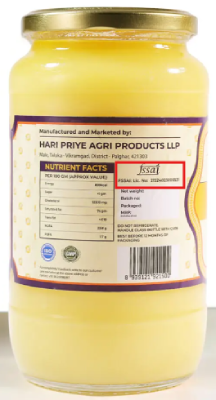
- FSSAI logo
- 14-digit FSSAI license number
Where to find it:
Usually near the barcode, bottom back panel, or under the nutritional table.
What it tells you:
✔ The product is legally registered
✔ The brand is accountable to Indian food safety laws
✔ You can verify authenticity by entering the number on: Food Safety Connect Portal (Publicly accessible)
Example: If you buy a ghee brand without an FSSAI number → it may be unregulated, possibly adulterated with palm oil.
But here’s the truth: A FSSAI license only confirms that the product is legally registered- not that it is pure, clean, or honestly labeled. FSSAI approval does not guarantee the absence of harmful contaminants such as pesticide residues from farming, aflatoxins from improper storage, or heavy metals absorbed from soil and processing equipment. It also does not verify whether the nutrition and ingredient claims on the label are accurate or exaggerated. In simple words, FSSAI ensures legality, not purity. It remains an important first step – but not the final word on safety. Real protection requires independent scientific testing to confirm that what’s inside truly matches what is promised on the outside.
Step 2- Decode Ingredient Order Like a Pro with the help of FSSAI
In every packaged food, ingredients are listed in descending order by quantity, which means the first ingredient is what you’re eating the most of. This one rule can completely change how you see “healthy” products.
For example, if a so-called “High Protein” granola lists sugar first, oats second, and whey third, it’s actually a sugar cereal with a little protein sprinkled in – not a genuinely high-protein food. Similarly, if a “Dark Chocolate” bar lists sugar first, vegetable fat second, and cocoa solids third, it is not real dark chocolate in spirit; you’re mostly paying for cheap fat and sugar, not quality cocoa.
So as a consumer, there are a few simple guardrails you can follow when reading ingredient lists:
- Avoid products where the first 2–3 ingredients are sugar or refined carbohydrates (like maida, glucose syrup, maltodextrin). This usually means the product is designed for taste, not health.
- Be cautious if palm oil or generic “vegetable oil” appears before the actual hero ingredient (like nuts, cocoa, millet, seeds). That’s a sign of cost-cutting and poor-quality formulation.
- Watch out for very long ingredient lists packed with additives, stabilizers, emulsifiers, artificial colors, and flavors – this is a classic marker of ultra-processed foods, which are best kept as occasional treats, not daily staples.
As a thumb rule, shorter ingredient list = closer to real food. When the first few ingredients are recognisable, minimally processed foods (like whole grains, nuts, seeds, real spices), you’re usually making a better, safer choice for your body.
Step 3 – Spot Hidden Sugars: Because Brands Don’t Just Write “Sugar” Anymore
Most products that look “healthy” – cereals, granola bars, flavored yogurt, juices, peanut butter – still contain a lot of sugar.But to avoid showing sugar as the first ingredient, brands break it into different forms so it appears smaller in the list.
Here are the most common hidden sugar names in India:
| Type | Hidden Names You’ll See on Labels |
| Liquid sugars / syrups | Glucose syrup, barley malt syrup, inverted syrup |
| Industrial processed sugars | Maltodextrin, dextrose, fructose |
| Sugar disguised as “healthy” | Honey, jaggery, brown sugar, coconut sugar |
| Fruit-based sugars | Fruit concentrates, fruit puree (very high sugar) |
Even if these sound “natural,” your body still receives sugar first, nutrients later.
Real-Life Example : Your child’s cereal says: “No Added Sugar” “Made with real fruit”- But the ingredient list reveals: Fructose syrup + Mango puree concentrate
That “fruit” is 80%+ sugar – no vitamins, just syrup in disguise.
Simple Rule: If you see three or more types of sugar, even with fancy names:
→ It’s a sugar bomb, not a health food.If sugar shows up everywhere in the list, it’s definitely showing up everywhere in your body.
Step 4 – Examine Health & Nutrition Claims Without Falling for Marketing Tricks
Brands often use big bold claims on the front of packaging – while hiding the real story on the back.
| Claim | What to actually check |
| “High Protein” | At least 20g per 100g |
| “Sugar-free” | Hidden artificial sweeteners? |
| “Low Fat” | High sugar/salt instead? |
| “Natural/Herbal” | Still needs contamination checks |
| “Multigrain” | % of whole grains (usually tiny!) |
Health and nutrition claims are often designed to sell, not inform. Terms like “natural,” “immunity-boosting,” “high protein,” or “low fat” can sound reassuring, but they may hide high sugar, sodium, or additives. Always verify such claims by checking the ingredient list, nutrition panel, and serving size, and look for regulatory approval where applicable. If a claim isn’t backed by clear numbers or appears vague, it’s likely a marketing tactic rather than a true health benefit.
Sneaky serving sizes: A biscuit pack showing only “per 1 biscuit” nutrition may mislead – when nobody eats just one. Always check values per 100g – the universal comparison standard.
Step 5 – Analyze Additives & Color Codes With Awareness
Some additives are okay… occasionally. But high frequency consumption can affect health.
Common Red Flags in Indian Packaged Foods by FSSAI:
| Additive | Found In | Risk |
| Tartrazine (E102) | Sweets, drinks | Behaviour issues in kids |
| Sunset Yellow (E110) | Namkeen, noodles | Allergies, asthma trigger |
| Titanium Dioxide | Candies, chewing gum | Banned in EU for cancer concerns |
Also beware of:
Artificial flavouring substances
Artificial flavouring substances are synthetic chemicals added to mimic or enhance the taste and aroma of foods. While they can make products more appealing, they often mask poor ingredient quality and encourage overconsumption by overstimulating taste receptors. Regular intake of foods high in artificial flavours has been associated with increased cravings, altered taste preferences, and reduced appreciation for natural foods. In sensitive individuals, these additives may also trigger headaches, digestive discomfort, or allergic-like reactions. Their presence is a key indicator of highly processed foods rather than nutritional value.
Anti-caking agents
Anti-caking agents are added to powdered or granulated foods to prevent clumping and improve flow, especially in products like salt, spices, and instant mixes. Common examples include silicon dioxide and calcium silicate. Although permitted within regulated limits, excessive or frequent consumption through multiple packaged foods may contribute to digestive irritation or reduced mineral absorption in some individuals. From a quality perspective, heavy reliance on anti-caking agents often signals highly refined products with minimal natural structure.
Preservatives in excess
Preservatives are used to extend shelf life by inhibiting microbial growth, but excessive amounts can pose health concerns. High intake of preservatives such as sodium benzoate, potassium sorbate, and certain sulfites has been linked to gut microbiome imbalance, inflammation, and hypersensitivity reactions in vulnerable populations. Overuse also increases overall chemical load in the diet, especially when multiple preserved foods are consumed daily. Foods with long shelf lives and multiple preservatives often compromise freshness and nutritional integrity in favor of convenience.
Simple consumer rule: If the label reads like a chemistry sheet → put it back.
Step 6- Check Allergens, Processing Clarity & Transparency
One of the easiest ways to judge a brand’s integrity is by how transparent their label is. If a brand hides where a flavour comes from, keeps ingredients bundled under vague terms like “proprietary blend,” or never reveals how much of the star ingredient is actually present, then it is choosing marketing over consumer trust.
These tactics often allow companies to:
Use tiny amounts of expensive ingredients
Brands often highlight ingredients like nuts, fruits, herbs, or protein on the front label, while using them in negligible quantities. The name and imagery create value, but the actual nutritional contribution is minimal.
Replace real ingredients with cheaper substitutes
Authentic ingredients may be swapped with refined starches, artificial flavors, or isolates to cut costs. While the taste may be mimicked, the nutritional quality and functional benefits are reduced.
Hide lower-quality or non-compliant raw materials
Poor-quality oils, fillers, or processed derivatives may be masked under technical or vague ingredient names. This makes it difficult for consumers to identify compromised safety or regulatory shortcuts.
Appear “premium” without delivering benefits
Premium packaging, buzzwords, and health claims create an upscale image, even when the formulation offers no real nutritional or functional advantage. The price reflects branding, not better health outcomes.
In contrast, clean and trustworthy labels always tell you:
✔ What is inside
✔ How much is inside
✔ Where it comes from
✔ Why it’s added
This becomes especially important with products like:
Herbal supplements
Often marketed as “natural” and safe, herbal supplements can still contain contaminants, undeclared ingredients, or inconsistent active compounds. Without proper standardization and dosage disclosure, they may interact with medications or cause adverse effects if used long-term.
Protein powders
Claims like “high protein” or “muscle-building” don’t guarantee quality. Some protein powders may contain excess sweeteners, heavy metals, or amino spiking, making label verification and third-party testing essential.
Spices and ready mixes
These products may appear harmless but can carry risks such as adulteration, artificial colors, excess sodium, or pesticide residues. Checking ingredient lists, additives, and compliance marks helps identify safer, cleaner options.
“Healthy” snacks for kids
Bright packaging and claims like “made with whole grains” or “no added sugar” often mask refined flours, hidden sugars, and additives. Parents should look past marketing and assess ingredients, portion sizes, and overall nutritional balance.
Just because something is natural does not mean it is safe, pure, or suitable for everyone.
Even herbs and natural extracts can contain toxins, contaminants, or trigger allergies if not tested properly.
Transparency isn’t a favor from brands – it’s your right. You deserve every bit of information needed to protect your health and make confident choices.
Step 7- Understand What Labels Can NEVER Show: Hidden Contaminants
This is where most risk lies.
No label will tell you:
- Lead contamination from poor soil/agro-chemicals
- Arsenic from groundwater used for crops
- Aflatoxins from fungus in stored grains/spices
- Wrong nutrient values due to cost-cutting
- Toxins from low-grade ingredients
Contaminants like heavy metals, aflatoxins, and misreported ingredients cannot be detected by reading a label or trusting marketing claims.
To uncover these risks, products need:
✔ Laboratory testing using scientific methods
✔ Independent evaluation with no brand influence
✔ Transparent access to results for consumers
This is where most brands stop – and where Pink Tiger takes over.
How Pink Tiger Protects You
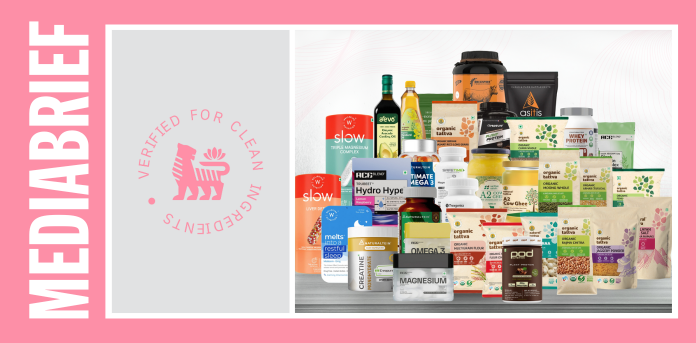
Pink Tiger Verification acts as the missing safety layer in India’s food system, ensuring that products are not just allowed – but truly clean and honest.
Pink Tiger independently:
✔ Tests for hidden contaminants
✔ Verifies label accuracy vs actual contents
✔ Confirms purity & safety benchmarks
✔ Publicly shares results for full transparency
Not just FSSAI approved – scientifically validated for real-world safety.
Most consumers don’t have access to labs, certifications, or scientific expertise.
So Pink Tiger does the homework that protects your family – allowing you to trust through proof, not assumptions.
Final Takeaway – FSSAI : Your Safety Starts With What You Choose
Every time you pick a product off a shelf, you’re not just choosing food – you’re choosing what enters your body, impacts your long-term health, and shapes your family’s wellbeing.
So before you believe the big promises on the front label,
turn the pack around and follow this simple protection checklist:
✔ Check the FSSAI license – but don’t stop there
✔ Read the ingredient list in order – first ingredients tell the truth
✔ Watch for hidden sugars disguised with fancy names
✔ Compare real nutrition using per 100g values
✔ Be cautious of excess additives & artificial boosters
✔ Prefer brands with clear transparency & full disclosure
✔ Look for independent verification – proof that safety has been tested, not assumed
Because marketing can convince you… but science is what protects you.
Choose products that earn your trust – not those that only advertise it.A healthier India begins with smarter labels, stronger awareness, and choices rooted in evidence, not illusions.
Frequently Asked Questions (FAQs)
1. What is the most important part of a food label to judge product quality?
The ingredient list is the most honest part of the label. It tells you what the product is truly made of – starting with the ingredient used the most. If sugar, refined flour, or cheap oils appear in the top 2–3 ingredients, the product may not match the healthy image shown on the front as per the FSSAI.
2. How do I quickly identify if a product is ultra-processed?
Ultra-processed foods usually have:
1. Very long ingredient lists
2. Multiple additives and preservatives
3. Several sources of hidden sugar
4. Ingredients you don’t recognize or can’t pronounce.
If the FSSAI label feels like chemistry class, it’s likely a product for occasional consumption only.
3. Are organic, natural, or herbal products always safe?
Not necessarily. Even natural ingredients can contain:
1. Pesticide residues
2. Aflatoxins (fungal toxins from storage)
3. Heavy metals absorbed from soil and water
So while the word “organic” may sound safer, purity still depends on testing – not assumptions says FSSAI.
4. How can I correctly compare nutrition between different brands?
Always compare per 100g or 100ml values – this removes confusion caused by brands using tiny serving sizes to make sugar and calories look lower.
Also check:
~ Protein-to-sugar ratio in snacks
~ Sodium levels in savory foods
~ Fiber content in cereals and bars
Numbers reveal the truth behind marketing claims.
5. If a product has an FSSAI license, why do we still need independent verification?
FSSAI ensures a product is legally registered, but it does not guarantee:
~ Accurate nutrient claims
~ Freedom from heavy metals or toxins
~ Testing of every batch sold in stores
Independent scientific verification provides the extra layer of safety that consumers cannot check on their own.
References
Food Safety and Standards Authority of India. (2023). Consumer nutrition label awareness report: Understanding how India reads food labels. FSSAI. https://www.fssai.gov.in
Food Safety and Standards Authority of India. (2022). Food Safety and Standards Regulations & Labeling Guidelines. FSSAI. https://www.fssai.gov.in
World Health Organization. (2021). Pesticide residues in food: Safety evaluation and health impact. WHO. https://www.who.int
Monteiro, C. A., Cannon, G., Lawrence, M., Costa Louzada, M. L., & Machado, P. P. (2020). Ultra-processed foods, diet quality, and health using the NOVA classification system. Public Health Nutrition, 23(1), 49–56. https://doi.org/10.1017/S1368980019003504
Indian Council of Medical Research. (2020). Dietary guidelines for Indians: A manual for safe and balanced food choices. ICMR–NIN. https://www.nin.res.in
World Cancer Research Fund. (2022). Food additives, colors, and preservatives: Health concerns & consumption guidelines. WCRF International. https://www.wcrf.org