7 Smart Festive Food Swaps for a Joyful, Balanced Season

There is a very specific moment during the Festive season that almost everyone recognises, even if we don’t talk about it.
It usually happens a few days in. The celebrations are still going, the sweets are still coming, but your body starts sending quiet signals. You wake up feeling heavier than usual. Your appetite feels confused; you’re not hungry, yet you’re constantly grazing. Sleep feels restless. Energy dips arrive sooner than expected. And somewhere between another cup of tea and another leftover dessert, the thought appears:
“Why does festive food make me feel like this?”
The easy answer is indulgence.
The honest answer is ingredients.
Traditional festive food was once slow, seasonal, and intentional. Modern festive food, on the other hand, is often rushed, hyper-sweet, and built for shelf life rather than digestion. What looks like the same cake or cookie is often a very different product altogether.
This blog is not about “eating clean” through the festive season. It’s about eating consciously, choosing better versions of familiar foods, and understanding that enjoyment and nourishment do not cancel each other out.
Here are seven smart food swaps that let you enjoy the season fully without the heaviness that usually follows.
Table of Contents
1. Store-Bought Traditional festive cake → A Fruit-Forward Cake That Ages Gracefully
Cake is emotional food. It’s memory food. It carries stories of soaking fruits weeks in advance, of kitchens smelling like spice, of slicing something dense and dark that feels special because it only appears once a year.
And yet, many modern store-bought cakes barely resemble that tradition.
They are sweet first, flavour later. Artificial essence replaces spice. Sugar replaces fruit. The result is a cake that tastes loud but flat, and leaves you reaching for water instead of another bite.
A homemade fruit and nut cake made with clean ingredients behaves very differently. It doesn’t overwhelm your palate. It unfolds slowly. The sweetness is rounded, the spices are present without shouting, and most importantly, it tastes better with time.
Why this swap works
Dried fruits like dates, raisins, and figs contain natural sugars bound with fibre. This slows digestion and prevents the sharp sugar spikes that leave you sluggish. Whole wheat or khapli wheat flour adds structure and minerals. Ghee or cold-pressed coconut oil carries fat-soluble flavours and supports satiety.
This is not a “diet cake.” It is a proper cake, just made honestly.
Recipe: Deep-Spice Fruit & Nut Cake

Prep: 20 mins (+ overnight soak)
Bake: 60–75 mins
Serves: 10–12 thin slices
Ingredients
Soak overnight: Dates, raisins, figs, cranberries, warm orange juice, cinnamon stick, cloves.
Batter: Whole wheat or khapli wheat flour, baking powder, cinnamon, nutmeg, clove, dry ginger, salt, melted ghee (or coconut oil), walnuts, almonds, orange zest, milk (as needed)
Method
1. Soak dried fruits in warm orange juice with spices overnight.
2. Blend soaked fruits into a coarse paste.
3. Mix dry ingredients. Fold in fruit paste, ghee, nuts, and zest. Add milk only if needed.
4. Bake at 160–170°C until a skewer comes out clean.
5. Cool, wrap, and rest overnight before slicing.
Serving tip: Slice thin and savour slowly, the flavour deepens by day two.
2. Generic Festive Cookies → Cookies That Know What They’re Doing
Most cookies are sweet, soft, and instantly gratifying, but strangely forgettable. They rely almost entirely on sugar for impact, which means the first bite feels exciting and every bite after that feels exactly the same. There’s no build-up, no contrast, no moment where you pause and actually notice what you’re eating. The result is predictable: you keep reaching for another cookie, not because it’s delicious, but because your brain hasn’t received a satisfying signal yet.
The issue isn’t cookies themselves, it’s refined simplicity. When texture, flavour, and sweetness all sit on the same flat plane, your senses keep asking for more stimulation.
Introducing oats, dark chocolate, and real fat changes the experience entirely. Bitter balances sweet, crisp edges contrast soft centres, and richness creates restraint. Suddenly, one cookie feels enough, not because you’re stopping yourself, but because your body feels satisfied.
Why this swap works
Oats slow digestion and add texture. Dark chocolate contains polyphenols that create depth and mild bitterness. Natural sweeteners allow flavours to come through instead of masking them.
You stop eating on autopilot.
Recipe: Dark Chocolate, Sea Salt & Orange Zest Cookies

Prep: 10 mins
Bake: 12–15 mins
Makes: 10–12 cookies
Ingredients
Rolled oats, almond flour, coconut sugar, melted ghee, 70% dark chocolate (chopped), fresh orange zest, flaky sea salt
Method
1. Combine all ingredients into a soft dough.
2. Scoop portions onto a lined baking tray.
3. Bake at 180°C until edges are crisp and centres remain soft.
Serving tip: Best enjoyed slightly warm with coffee or spiced tea.
3. Cream-Heavy Desserts → Coconut Milk Desserts That Feel Luxurious, Not Draining
Cream-heavy desserts often feel indulgent in theory, especially after a long festive meal filled with rich flavours and warm spices. But in practice, they can quickly tip the body from comfortably full into deeply uncomfortable. That heaviness lingers, dulling the rest of the evening and making dessert feel like a commitment rather than a pleasure.
Coconut milk offers the same sense of richness without that aftermath. Its natural fats feel lighter on digestion while still delivering creaminess and depth. Paired with festive spices like cardamom or nutmeg, coconut milk desserts feel luxurious but calming, something you enjoy slowly, rather than something you endure out of tradition.
Why this swap works
Coconut milk contains medium-chain fats that digest more easily and pair beautifully with warming spices. It aligns naturally with Indian flavour memory, making the dessert feel familiar rather than “healthy.”
Recipe: Coconut, Cardamom & Jaggery Festive Pudding

Prep: 5 mins
Cook: 10 mins
Serves: 3–4
Ingredients
Thick coconut milk, jaggery, crushed cardamom pods, grated nutmeg, chia seeds or arrowroot slurry, cashews (toasted)
Method
1. Warm coconut milk gently with jaggery and spices.
2. Stir in chia seeds or arrowroot to thicken.
3. Simmer briefly, then pour into bowls and top with nuts.
Serving tip: Serve warm or chilled, both highlight different spice notes.
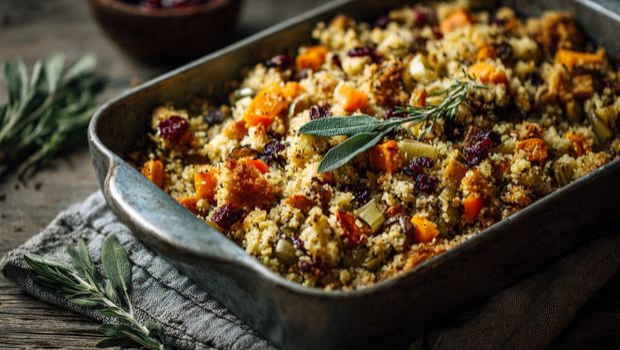
4. White Bread Stuffing → Stuffing That Grounds You
Stuffing is meant to support a festive meal, not compete with it. Ideally, it should add warmth, texture, and flavour without demanding too much attention or energy from your digestive system. Unfortunately, white bread stuffing often does the opposite, soaking up fat aggressively and expanding in the stomach, leaving you bloated and sluggish halfway through the meal.
Millets behave very differently. They absorb flavour without becoming heavy, offering substance without excess. Rich in fibre and naturally grounding, millets create a stuffing that feels satisfying rather than suffocating. You enjoy the meal fully and still feel present afterwards, a small change with a surprisingly big impact.
Why this swap works
Millets are fibre-rich, mineral-dense, and absorb flavour without turning gummy. They provide satiety without heaviness.
Recipe: Herbed Millet & Roasted Vegetable Stuffing
Prep: 15 mins
Cook: 25 mins
Serves: 4–5
Ingredients
Foxtail or little millet, onion, carrot, mushrooms, garlic, ghee or olive oil, thyme, rosemary, black pepper, salt
Method
1. Cook millet until fluffy and separate.
2. Roast vegetables with oil and seasoning until caramelised.
3. Toss millet with vegetables, herbs, and ghee.
4. Bake briefly to set and lightly crisp the top.
Serving tip: Pairs beautifully with roasted vegetables or festive mains.
5. Sugar-Dominant Hot Chocolate → Spiced Cocoa That Calms the Nervous System
Packaged hot chocolate is often little more than sugar dressed up as cocoa. It tastes exciting for the first few sips, then leaves you jittery, thirsty, or strangely unsatisfied. Instead of feeling cosy, you’re left chasing another snack or craving something else entirely.
Raw cacao tells a different story. Its flavour is deeper, slightly bitter, and far more complex. When paired with gentle sweeteners and warming spices, it creates a drink that feels calming rather than stimulating. This is hot chocolate you sip slowly, one that settles the nervous system instead of waking it up.
Why this swap works
Cacao is rich in magnesium, supporting relaxation, mood, and sleep, exactly what festive evenings demand.
Recipe: Spiced Cacao Night Drink

Prep: 2 mins
Cook: 5 mins
Serves: 1–2 cups
Ingredients
Almond or coconut milk, raw cacao powder, cinnamon, ginger, nutmeg, date syrup or jaggery
Method
1. Heat milk gently over a low flame.
2. Whisk in cacao, spices, and sweetener until smooth.
3. Serve warm.
Serving tip: Ideal for evenings, calming, grounding, and deeply comforting.
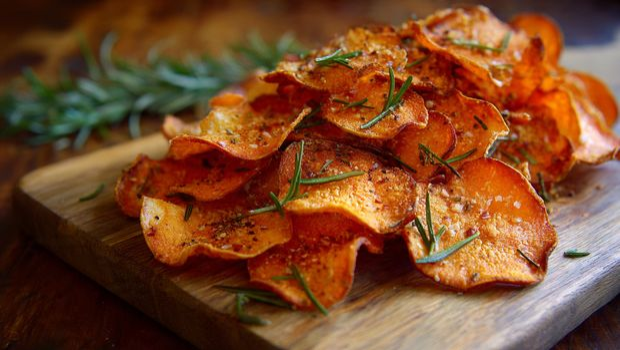
6. Deep-Fried Party Snacks → Baked Snacks You Can Keep Eating
Fried snacks have a way of ending the party early. At first, they feel festive and indulgent, but after a point, your body quietly asks for a break. Energy dips, digestion slows, and the rest of the evening feels heavier than it needs to.
Baked or air-fried snacks extend enjoyment instead of cutting it short. They still offer crunch and flavour, but without the oily fatigue that follows deep frying. You stay engaged in conversation, reach for seconds without regret, and enjoy the celebration for longer, exactly how festive food should behave.
Recipe: Rosemary Sweet Potato Crisps
Prep: 10 mins
Bake: 25–30 mins
Serves: 3–4
Ingredients
Sweet potatoes, olive oil, rosemary or thyme, paprika, salt
Method
1. Cut sweet potatoes into wedges.
2. Toss with oil, herbs, and spices.
3. Bake at 200°C, turning once, until crisp outside and soft inside.
Serving tip: Serve hot with yogurt or tahini dip.
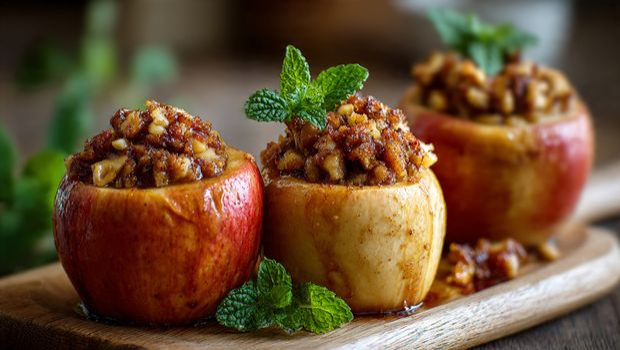
7. Overloaded Desserts → Fruit Treated With Respect
Fruit only feels boring when it’s treated like an obligation, the thing you eat because you “should,” not because you want to. Raw, cold, or hastily served fruit rarely feels festive, especially when surrounded by rich seasonal foods.
Handled with care, fruit becomes indulgent. Baking brings out natural sweetness, spices add warmth, and textures deepen with nuts or natural fats. Suddenly, fruit feels intentional, comforting, and entirely worthy of the Festive table not a compromise, but a quiet highlight.
Recipe: Baked Apples With Walnut-Cinnamon Filling
Prep: 10 mins
Bake: 20–25 mins
Serves: 2–3
Ingredients
Apples, walnuts (chopped), cinnamon, honey
Method
1. Core apples and stuff with walnuts, cinnamon, and honey.
2. Bake at 180°C until soft and fragrant.
Serving tip: Enjoy warm on its own or with a spoonful of coconut yogurt.
Check Out Pink Tiger Verified Products for your recipes
The Real Meaning of “Guilt-Free”
Guilt doesn’t actually come from food itself. It comes from the quiet disconnect we feel when what we eat doesn’t align with how we want to feel afterwards. We sit with a full plate, surrounded by celebration, yet our body feels heavy, restless, or overstimulated. That internal mismatch is what creates guilt, not indulgence, not enjoyment, but the sense that something is slightly out of balance.
When ingredients are better, that disconnect begins to dissolve on its own. Portions regulate naturally because the body receives real signals of satisfaction. Pleasure replaces compulsion; you stop eating because you’re bored or overstimulated and start eating because you’re genuinely enjoying the experience. Celebration feels expansive rather than draining, and festive meals stop feeling like something you need to recover from. That is the quiet magic of smart swaps; they don’t take joy away, they make it sustainable.
Final Thoughts
A joyful Festive season is not built on restraint or rigid rules. It’s built on alignment between tradition and modern awareness, between emotional comfort and physical wellbeing, between the food you love and the way you want to feel in your body. When those elements come together, celebration becomes fuller, calmer, and more present.
So eat the cake. Just make it better. Honour the flavours, the memories, and the rituals, but allow them to evolve with you. Enjoy the season deeply and let your body enjoy it too.
Explore our Instagram Page for new updates
Frequently Asked Questions (FAQs)
1. What are festive food swaps?
Festive food swaps are small but intentional changes in ingredients or cooking methods that allow you to enjoy traditional holiday foods without feeling weighed down afterwards. Instead of removing sugar, fats, or festive treats altogether, swaps focus on how those elements are used, choosing whole grains over refined flours, natural sweeteners over excessive sugar, and real fats over processed ones. The result is food that still feels celebratory but supports digestion, energy, and satisfaction.
2. Do festive food swaps mean eating “healthy” food during holidays?
Not in the rigid, moralised way “healthy eating” is often presented. Festive food swaps are not about rules, guilt, or earning your dessert. They are about alignment, between how food tastes, how it makes you feel, and how you want your celebrations to unfold. You still eat sweets, rich foods, and comforting dishes. The difference is that these foods are built on better ingredients, so enjoyment doesn’t come with fatigue, bloating, or overstimulation. It’s not about being “good” during the holidays; it’s about feeling good while enjoying them.
3. Can traditional festive recipes really be improved without losing taste?
Yes, and in many cases, returning to better ingredients actually restores the original intention of traditional recipes. Historically, festive foods were made slowly, with soaked fruits, natural fats, whole grains, and layered spices. Over time, convenience replaced craft, and sugar replaced flavour. When you reintroduce real spices, natural sweeteners, and unrefined grains, the food develops depth rather than just sweetness. The flavours linger, evolve, and often improve with time. These dishes don’t shout; they unfold. Taste is not lost, it becomes more complex and satisfying.
4. Why do store-bought festive foods feel heavier than homemade ones?
Store-bought festive foods are designed for consistency, shelf life, and mass appeal. To achieve this, they rely heavily on refined sugar, stabilisers, emulsifiers, artificial flavours, and preservatives. While these ingredients make food last longer, they also make it harder for the body to digest and regulate appetite. Homemade festive food, on the other hand, usually contains fewer ingredients, real fats, and natural sweetness. The body recognises these components more easily, which is why homemade food often feels more filling, grounding, and less draining even when it’s indulgent.
5. Are festive food swaps suitable for everyday celebrations too?
Absolutely, and this is often where their impact becomes most noticeable. Once you experience how ingredient quality affects energy and digestion, these swaps naturally extend beyond major holidays. Birthdays, anniversaries, weekend desserts, and family meals all benefit from the same principles. Festive food swaps don’t feel like “special occasion health food.” They simply become a more sustainable way to celebrate, one that allows joy to repeat without requiring recovery time afterwards.
Disclaimer : This content is for informational purposes only and is not a substitute for professional medical advice, diagnosis, or treatment. Always consult a qualified healthcare provider for any questions or concerns regarding your health.