7 Powerful Benefits of Curcumin: Nature’s Golden Remedy! 🌟
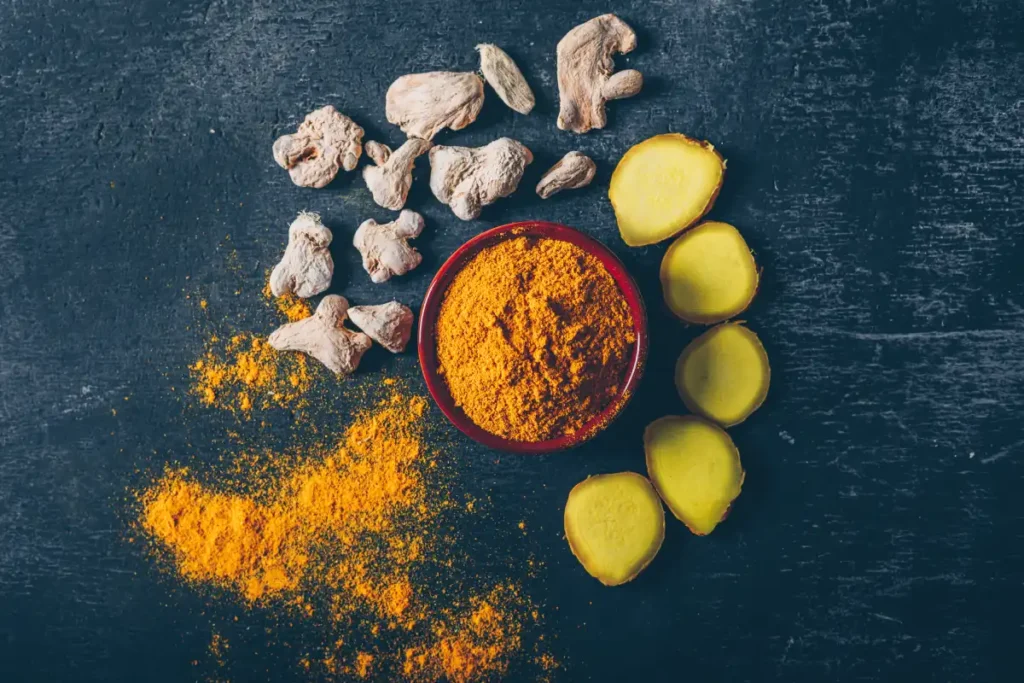
Before we celebrate turmeric’s golden glow, let’s pause to appreciate the truly transformative molecule hiding inside it, curcumin. This powerful compound has quietly shaped centuries of healing traditions, but only now is science fully uncovering its extraordinary potential. From reducing inflammation to supporting immunity, it is turning out to be far more than a kitchen spice, it’s a wellness essential backed by compelling research. If you’ve ever wondered why this bright yellow ingredient is at the center of global health conversations, you’re about to discover the golden truth.
Table of Contents
Meet the Molecule Behind Turmeric’s Magic
In the vibrant world of natural remedies, few compounds shine as brightly as curcumin, the magical active ingredient in turmeric (Curcuma longa). For centuries, this jewel-toned spice has been cherished in Ayurveda for healing, energy, digestion, and longevity. Today, modern research is finally catching up revealing what our ancestors knew all along.
Curcumin is more than a kitchen spice. It’s a potent anti-inflammatory, antioxidant-rich, immune-supporting powerhouse that science increasingly recognizes as one of nature’s most promising wellness allies.
This deep-dive article explores what curcumin is, how it works, research-backed benefits, how to consume it effectively, supplement guidance, safety notes, and what Pink Tiger Verified really means all in one seamless guide.
What exactly is Curcumin?
Curcumin is the star compound found within turmeric, the golden spice that adds vibrant color and depth to Indian cooking. But its brilliance goes far beyond flavour.
Biochemically, it is a polyphenol, a plant-based molecule known for its extraordinary ability to fight inflammation, combat oxidative stress, and support healthy immune signaling.
Here’s how researchers describe it:
It neutralizes free radicals, the unstable molecules that damage cells.
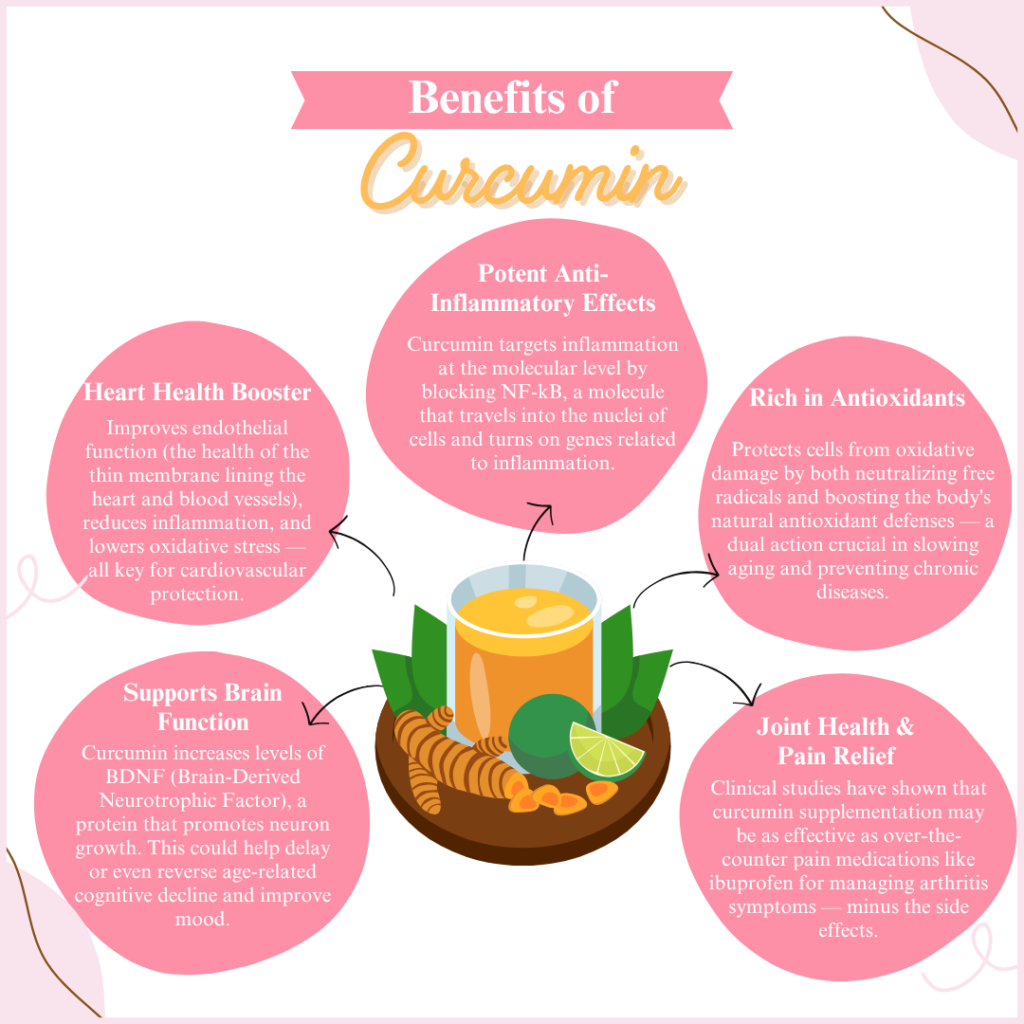
Curcumin acts like a microscopic shield, disarming free radicals before they can attack your cells. These unstable molecules are a major driver of aging, inflammation, and chronic disease. By neutralizing them, it helps protect your tissues, slow cellular wear and tear, and support long-term vitality.
It blocks inflammatory pathways that contribute to chronic diseases.
Curcumin switches off key inflammatory pathways, like NF-κB and COX-2, that often stay overactive due to stress, pollution, poor diet, or infections. When these pathways calm down, the body experiences less pain, improved mobility, and reduced inflammation that would otherwise fuel chronic conditions such as arthritis, heart disease, and metabolic disorders.
It modulates immune cells to keep your system balanced and resilient.
Curcumin doesn’t just boost immunity it fine-tunes it. It strengthens protective immune warriors like T-cells and macrophages while preventing the immune system from overreacting or triggering unnecessary inflammation. The result is a balanced, steady, resilient immune response that helps your body stay protected without tipping into stress or autoimmunity.
Think of it as a 360º bodyguard for your health, working at the cellular level, improving the way your body responds to stress, aging, and daily wear and tear.
7 Powerful Benefits of Curcumin
1. Boost Your Immune System with Curcumin
If your immune system were a team, curcumin would be the wise coach, keeping every player sharp, balanced, and ready.
✓ Reduces excessive inflammation
It naturally lowers pro-inflammatory molecules like cytokines, including TNF-α, IL-6, and CRP. Overactive inflammation can weaken immunity, make you feel fatigued, and slow your recovery.
Research Insight:
A 2007 study in the Journal of Clinical Immunology highlights how curcumin effectively downregulates inflammatory cytokines, enhancing overall immune function.
✓ Enhances immune defense cells
It supports:
T-cells : crucial for adaptive immunity
Macrophages : the “clean-up crew” that clears pathogens
B-cells : important for antibody production
This dual role, calming excessive inflammation while boosting necessary defense cells—makes curcumin uniquely powerful.
✓ Acts as a potent antioxidant shield
Oxidative stress weakens immunity. It fights this by neutralizing free radicals and boosting your body’s own antioxidant enzymes like superoxide dismutase (SOD) and glutathione.
Research Insight:
A 2017 review in Foods confirmed that curcumin’s antioxidant capacity plays a key role in immune modulation and cellular protection.
The result?
Your immune system becomes more balanced, more resilient, and more capable of responding to everyday threats.
2. Curcumin for Inflammation Relief
Inflammation is your body’s natural response to injury or infection, but chronic inflammation is linked to:
- Joint pain
- Metabolic issues
- Gut imbalance
- Low energy
- Skin problems
- Faster aging
Curcumin works by blocking NF-κB, the master controller of inflammation.
Research Insight:
In Advances in Experimental Medicine and Biology, researchers found that curcumin inhibits multiple inflammatory enzymes, including COX-2 and LOX—similar to anti-inflammatory drugs, but naturally and with fewer side effects.
This makes curcumin particularly beneficial for:
~ Arthritis
~ Post-workout soreness
~ Chronic pain
~ Autoimmune conditions (with medical consultation)
3. Curcumin Supports Digestive and Gut Health
Your gut is your second brain and curcumin helps nourish and protect it.
How it supports the gut:
Reduces inflammation in the gut lining
Chronic irritation of the gut lining can trigger conditions like gastritis, bloating, and leaky gut. Curcumin helps calm this internal inflammation by blocking inflammatory pathways and soothing the intestinal tissues, supporting a healthier, more resilient gut environment.
Supports healthy digestion
Curcumin stimulates bile flow and digestive enzyme activity, making it easier for your body to break down fats, absorb nutrients, and maintain smooth digestion. This can translate into less heaviness after meals and more comfortable, efficient digestion overall.
Balances gut bacteria
Your gut thrives on a healthy balance of good microbes. Curcumin helps regulate this microbiome ecosystem by supporting beneficial bacteria and reducing the overgrowth of harmful ones. This creates a more stable, diverse, and gut-friendly microbial environment.
Helps soothe symptoms of IBS or indigestion
Curcumin’s anti-inflammatory and antispasmodic properties make it especially helpful for those dealing with IBS, gas, cramping, or general indigestion. It relaxes the digestive tract, reduces discomfort, and supports calmer, more predictable digestion day to day.
Because gut inflammation often triggers wider immune and metabolic issues, curcumin’s calming effect creates a ripple of benefits throughout the body.
4. Curcumin for Heart Health
Heart wellness is heavily influenced by inflammation and oxidative stress.
Improving endothelial function (lining of blood vessels)
The endothelium is the delicate inner lining of your blood vessels, responsible for regulating blood flow, blood pressure, and overall cardiovascular balance. Curcumin helps improve endothelial function by reducing oxidative stress and supporting the production of nitric oxide, a molecule that relaxes blood vessels and promotes smoother circulation. Better endothelial health means your heart and arteries work with less strain, helping maintain long-term cardiovascular wellness.
Supporting healthy cholesterol levels
Curcumin has been shown to support balanced cholesterol levels by reducing total cholesterol and helping maintain healthy LDL (bad cholesterol) and HDL (good cholesterol) ratios. It does this by influencing liver enzymes involved in cholesterol metabolism and by lowering inflammation that often contributes to lipid imbalances. Over time, this supports a healthier lipid profile and overall metabolic stability.
Reducing LDL oxidation
One of the biggest contributors to plaque buildup in arteries isn’t just LDL itself, it’s oxidized LDL (ox-LDL). When LDL particles react with free radicals, they become sticky and damaging to arteries. Curcumin’s powerful antioxidant properties help prevent this oxidation process, keeping LDL particles stable and less harmful. Lower ox-LDL levels translate to reduced risk of arterial plaque, better heart health, and improved long-term vascular resilience.
Enhancing overall vascular health
By reducing inflammation, boosting antioxidant defenses, improving endothelial function, and preventing LDL oxidation, curcumin works on multiple pathways to support overall vascular health. It helps maintain flexible, resilient arteries and encourages healthy blood flow throughout the body. This multi-layered protection makes it a valuable daily ally for long-term cardiovascular wellness and healthy aging.
These effects make it a promising natural partner for heart-protective routines.
6. Curcumin for Radiant Skin
Curcumin’s antioxidant and anti-inflammatory properties extend to your skin too.
Fights acne-causing bacteria
It has natural antibacterial properties that help inhibit the growth of Propionibacterium acnes, the bacteria responsible for breakouts. By reducing bacterial load on the skin’s surface, it helps prevent new pimples from forming and supports a clearer complexion.
Reduces inflammation and redness
Its powerful anti-inflammatory effects calm irritated skin, soothe active breakouts, and reduce redness caused by acne, sensitivity, or flare-ups. This makes it especially helpful for inflamed cystic acne and reactive skin conditions.
Helps brighten and even skin tone
Curcumin helps fade dark spots, hyperpigmentation, and post-acne marks by regulating melanin production. With consistent use, it supports a more radiant, even-toned, naturally glowing appearance.
Protects against oxidative stress from pollution and UV
As a strong antioxidant, it neutralizes free radicals generated by sun exposure and environmental pollution. This helps slow visible aging, prevent dullness, and protect skin cells from long-term damage.
That’s why turmeric-based masks and creams remain popular across cultures.
7. Curcumin for Overall Wellness and Longevity
Because it works at the cellular level supporting immunity, inflammation, oxidative balance, detox pathways, and gut health it contributes to whole-body wellness.
In longevity research, curcumin is being studied for:
Slowing Cell Aging
Curcumin helps slow cellular aging by reducing oxidative stress, the main driver of DNA damage and premature aging. Its antioxidant activity neutralizes free radicals and protects cell membranes, mitochondria, and genetic material. This preserves cell function for longer, supporting healthier aging at the molecular level.
Supporting Mitochondrial Function
Mitochondria are your cells’ energy factories, and it helps them perform better by enhancing their ability to produce ATP (energy). Research shows it improves mitochondrial efficiency and reduces mitochondrial damage caused by inflammation and oxidative stress. The result: better energy, endurance, and metabolism.
Improving Cellular Repair
It activates key signaling pathways like Nrf2, which turn on your body’s internal repair and detox systems. This boosts the production of protective enzymes, encourages healthy cell turnover, and helps damaged cells recover faster. Over time, this strengthens tissues and supports long-term vitality.
Reducing Age-Related Inflammation
As we age, chronic low-grade inflammation, called “inflammaging”—becomes more common. It helps suppress this by downregulating inflammatory markers like IL-6, TNF-α, and CRP. By calming these pathways, it reduces wear and tear on organs, joints, and tissues, promoting healthier aging overall.
It’s one of the few natural ingredients with multi-system impact.
How to Spice Up Your Daily Routine with Curcumin?
Ready to embrace the golden goodness of curcumin? Incorporating it into your meals is not just beneficial but delicious! Here are some fun and tasty ways to get your daily dose:
🥄 Stir it Up: Add a teaspoon of turmeric to warm soups or luscious lentil dals for a flavorful twist.
🥤 Blend it In: Try mixing it into your morning smoothie, your taste buds and your body will thank you!
🍵 Golden Milk Delight: Enjoy a soothing cup of Turmeric milk (Golden Milk) before bedtime for a cozy end to your day.
✨ Sprinkle Joy: Enhance your scrambled eggs or rice dishes with a sprinkle to add a lovely golden touch!
Pro Tip: Don’t forget to add a dash of black pepper! The piperine in black pepper enhances curcumin’s absorption, helping your body make the most of this powerhouse.
Check out Our Recipe Corner


Why Turmeric Alone Isn’t Enough?
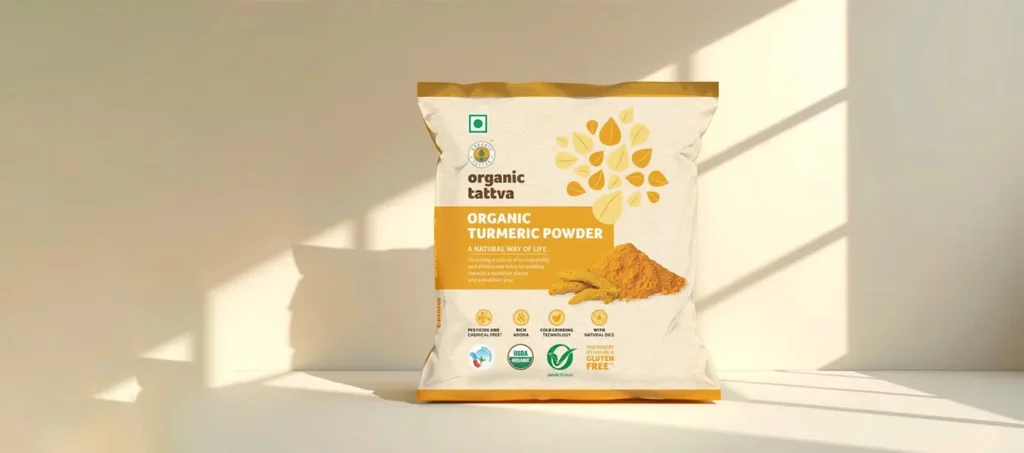
Because turmeric’s natural curcumin content is so low and inconsistent, relying on turmeric powder alone rarely delivers the therapeutic benefits people seek. That’s where targeted supplements come in, they concentrate the active compound to ensure you actually get an effective dose without consuming impractical amounts of turmeric.
Even supplements have a hurdle, poor absorption. On its own, curcumin isn’t easily absorbed by the body. That’s why many formulas include piperine (black pepper extract), which can enhance absorption by up to 2000%.
Choose Quality Over Hype
Not all turmeric supplements are created equal. Opt for those that are third-party tested to ensure purity and are free from harmful additives. With the right supplement, you can tap into turmeric’s full anti-inflammatory and antioxidant potential—safely, effectively, and without the risks of raw powder.
Be cautious with overuse excessive curcumin and supplement intake may lead to digestive issues like nausea or diarrhea, and in rare cases, it can interfere with blood-thinning medications. High doses might also strain the liver, potentially elevating liver enzymes, or trigger allergic reactions in sensitive individuals, such as skin rashes or itching.
Discover Pink Tiger Verified Products!
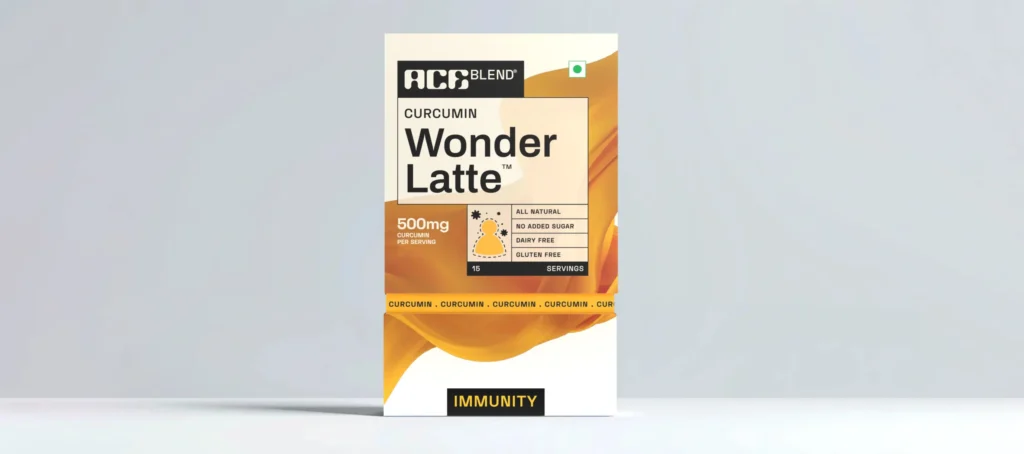
At Pink Tiger, we believe in transparency and quality! Our commitment to health-focused products means you can trust that what you’re getting is pure, honest, and effective. Say goodbye to the clutter and hello to health! Check out Pink Tiger Verified Product & Supplement
Final Thought
In the end, curcumin stands as a powerful reminder that nature often holds the answers long before science catches up. What our ancestors intuitively embraced in Ayurveda its ability to calm inflammation, strengthen immunity, protect cells, and nourish overall vitality is now being illuminated through modern research with remarkable clarity. It doesn’t work like a quick fix or trend; it works by supporting the very foundation of health: your cells, your energy systems, your immune balance, and your long-term resilience.
By weaving this golden compound into your daily routine whether through food, a soothing cup of golden milk, or a high-quality supplement you’re doing more than adding a spice to your life. You’re investing in deeper wellness, supporting graceful aging, and giving your body the tools it needs to repair, restore, and thrive. Just remember: quality matters, consistency matters, and mindful choices matter even more.
Curcumin may be a simple addition, but its impact is anything but small. Embrace it with intention, honor your body with cleaner choices, and let this ancient golden remedy become a steady companion on your journey to a healthier, more vibrant you.
Frequently Asked Questions (FAQs)
1. Is curcumin actually backed by science, or is it just a traditional remedy?
Curcumin is one of the most researched natural compounds in the world, with studies highlighting its anti-inflammatory, antioxidant, and immune-modulating effects. While Ayurveda has used turmeric for centuries, modern research confirms it’s ability to influence key pathways like NF-κB, cytokines, and oxidative stress. This unique blend of ancient wisdom + modern science is what makes it a powerful and credible wellness ingredient.
2. Why do curcumin need black pepper (piperine)?
Curcumin on its own is poorly absorbed, which means your body can’t use much of it. Piperine from black pepper enhances its bioavailability by up to 2000% by slowing its breakdown in the liver and intestines. Without piperine or similar absorption technologies, even high doses may deliver only minimal benefits, making this combination essential for effectiveness.
3. Should I take curcumin with food or on an empty stomach?
Curcumin is fat-soluble, meaning it’s better absorbed when taken with a meal that contains healthy fats like ghee, olive oil, avocado, or nuts. Taking it on an empty stomach may reduce its effectiveness and may cause mild digestive discomfort for some individuals. For maximum absorption, pair it with food + black pepper or choose a supplement that already includes an absorption enhancer.
4. Can curcumin support mood, brain health, or mental clarity?
Emerging research suggests curcumin may support cognitive function and emotional well-being by reducing brain inflammation and regulating neurotransmitters like serotonin and dopamine. Studies have found improvements in mood, focus, and memory with consistent use, especially in combination with healthy lifestyle factors like sleep and nutrition. While it’s not a standalone treatment for mental health conditions, it offers supportive benefits for overall brain wellness.
5. What’s the difference between turmeric and curcumin?
Turmeric is the whole spice, while curcumin is its most active compound responsible for anti-inflammatory and antioxidant effects. Turmeric contains only 2–5% curcumin, so supplements use concentrated extracts to deliver therapeutic benefits.
Disclaimer: This content is for informational purposes only and is not a substitute for professional medical advice, diagnosis, or treatment. Always consult a qualified healthcare provider for any questions or concerns regarding your health.
References :
Hewlings, S., & Kalman, D. (2017, October 22). Curcumin: A Review of Its Effects on Human Health. Foods. Retrieved May 30, 2025, from https://pmc.ncbi.nlm.nih.gov/articles/PMC5664031/
Jagetia, G. C., & Aggarwal, B. B. (2007, January 9). “Spicing Up” of the Immune System by Curcumin. Journal of Clinical Immunology, 27(1), 19–35. https://doi.org/10.1007/s10875-006-9066-7
Menon, V. P., & Sudheer, A. R. (n.d.). ANTIOXIDANT AND ANTI-INFLAMMATORY PROPERTIES OF CURCUMIN. ADVANCES IN EXPERIMENTAL MEDICINE AND BIOLOGY, 105–125. https://doi.org/10.1007/978-0-387-46401-5_3