5 Hidden Reasons Behind Hair Loss & Natural Ways to Manage
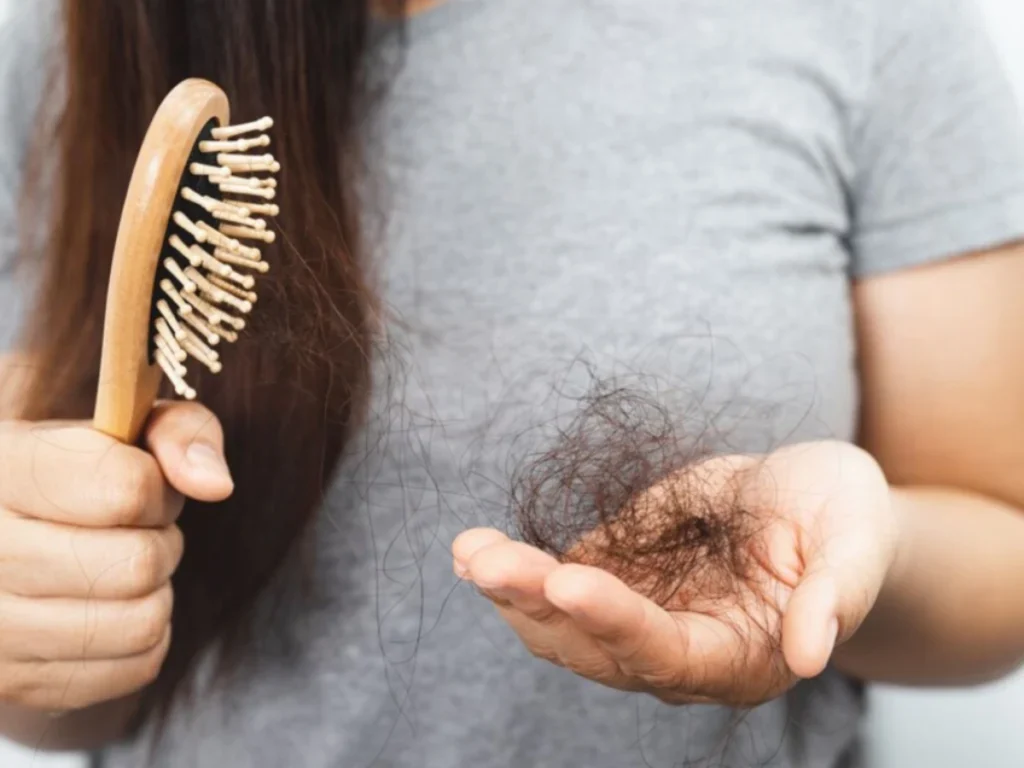
Hair loss is often viewed as a cosmetic concern, but it is more accurately a visible sign of deeper imbalances within the body. Hair follicles are highly sensitive to internal changes, and factors beyond genetics, such as chronic inflammation, hormonal shifts, nutrient deficiencies, and prolonged stress, can quietly disrupt the hair growth cycle. When these imbalances persist, hair thinning and excessive shedding may appear long before the root cause is identified.
Environmental influences also play a significant yet underestimated role in hair health. Poor water quality, exposure to heavy metals, and harsh chemical residues can weaken the scalp barrier, damage follicles, and worsen hair fall over time. Looking at hair loss through a holistic, root-cause approach helps move beyond quick fixes, allowing for natural strategies that support scalp health, restore balance, and promote long-term hair strength and resilience.
In this blog let’s 5 Hidden Reasons Behind Hair Loss & Natural Ways to Manage it.
Table of Contents
5 Hidden Reasons That May be Causing Hair Loss
Hair loss rarely has a single cause. Beyond genetics, several hidden factors within your body and environment can quietly disrupt the hair growth cycle, leading to thinning, breakage, or excessive shedding. Understanding these lesser-known triggers is the first step toward addressing hair loss at its root rather than masking the symptoms.
1. Chronic Inflammation
Hair follicles are highly sensitive to inflammation. Chronic inflammation caused by stress, an unhealthy diet, or environmental toxins disrupts the natural hair growth cycle. This results in weaker strands, reduced growth, and premature shedding. Inflammation triggers the release of cytokines, molecules that shrink hair follicles and shorten their growth phase.
Disrupts the hair growth cycle: Ongoing inflammation pushes hair follicles out of the active growth (anagen) phase and into the resting or shedding phase prematurely.
Shrinks hair follicles: Inflammatory cytokines released during chronic stress or illness gradually miniaturise follicles, resulting in thinner, weaker strands.
Reduces nutrient delivery: Inflammation impairs blood flow to the scalp, limiting oxygen and essential nutrients needed for healthy hair growth.
Triggered by lifestyle factors: High stress levels, ultra-processed diets, poor gut health, and environmental toxins are common contributors to persistent inflammation.
Leads to premature shedding: Over time, this inflammatory environment shortens the hair’s growth phase, slowing regrowth and increasing hair fall.
2. Hormonal Shifts and DHT Overproduction
Your hormones directly impact hair health. Dihydrotestosterone (DHT), a derivative of testosterone, is often linked to hair loss. It binds to hair follicles, making them smaller and eventually causing thinner, weaker strands. Hormonal imbalances due to age, stress, or underlying conditions can exacerbate DHT production.
Hormones regulate the hair cycle: Balanced levels of estrogen, testosterone, thyroid hormones, and cortisol are essential for keeping hair follicles in the active growth phase. Even minor disruptions can trigger increased shedding.
Role of DHT in hair loss: Dihydrotestosterone (DHT), a potent derivative of testosterone, binds to androgen receptors in hair follicles. Over time, this causes follicle miniaturisation, leading to progressively thinner and weaker hair strands.
Shortens the growth phase: Elevated DHT levels reduce the duration of the anagen phase, meaning hair grows for a shorter time before shedding begins.
Triggered by internal stressors: Age-related hormonal shifts, chronic stress, insulin resistance, PCOS, thyroid disorders, and menopause can all increase DHT activity or follicle sensitivity to it.
Increases scalp sensitivity: Hormonal imbalance can also elevate scalp inflammation and oil production, further weakening follicles and accelerating hair thinning.
3. Mitochondrial Health
The energy production within your cells plays a surprising role in hair strength and vitality. Mitochondria, the powerhouses of your cells, are responsible for regenerating hair follicles during the growth phase. Oxidative stress, poor diet, and unhealthy lifestyle habits can impair mitochondrial function, slowing down follicular regeneration. To de-stress, improve your lifestyle and choose better nutrition.
Hair growth is energy-dependent: Hair follicles are among the most metabolically active structures in the body and require a constant supply of cellular energy (ATP) to sustain the growth phase.
Role of mitochondria: Mitochondria act as the powerhouses of follicle cells, driving cell division, protein synthesis, and regeneration during the anagen (growth) phase of the hair cycle.
Impact of oxidative stress: Chronic oxidative stress from pollution, inflammation, poor sleep, and nutrient-poor diets damages mitochondrial function, reducing the energy available for follicular renewal.
Slows follicle regeneration: When mitochondria are impaired, hair growth becomes slower, strands become weaker, and follicles may prematurely enter the resting or shedding phase.
Lifestyle and nutrition matter: Regular physical activity, stress reduction, quality sleep, and diets rich in antioxidants, B vitamins, iron, and healthy fats support mitochondrial efficiency and healthier hair regrowth.
4. Poor Water Quality
The water you use to wash your hair could be silently contributing to hair damage. Hard water, which contains high levels of calcium and magnesium, can build up on the scalp, weakening hair strands over time. Minerals in hard water leave residues that cause dryness, breakage, and thinning.
Hard water mineral buildup: Hard water contains high levels of calcium, magnesium, and other dissolved minerals that can accumulate on the scalp and hair shaft with regular washing.
Weakens the hair structure: These mineral residues coat the hair, making strands rough, brittle, and more prone to breakage and split ends.
Disrupts scalp balance: Mineral buildup can clog hair follicles, interfere with natural oil production, and disrupt the scalp’s pH, creating an unhealthy environment for hair growth.
Reduces moisture absorption: Residue from hard water prevents proper absorption of moisture and conditioning products, leading to chronic dryness and dullness.
Long-term thinning risk: Over time, persistent dryness and follicle stress caused by hard water exposure can contribute to gradual hair thinning and increased shedding.
5. Topical Care
Commercial hair products often contain harsh chemicals like sulfates, parabens, and artificial fragrances that strip away natural oils. This leaves the scalp dry, irritated, and prone to hair loss. Scalp health determines hair follicle strength, and chemical-laden products disrupt this delicate balance. What you apply on your scalp matters and to make sure you use the right range of products.
Strips natural protective oils: Sulfates and strong detergents remove excess oil but also strip the scalp of its natural lipid barrier, leading to dryness and irritation.
Disrupts scalp microbiome: Parabens, artificial fragrances, and preservatives can disturb the scalp’s healthy microbial balance, increasing sensitivity, itching, and inflammation.
Triggers scalp inflammation: Repeated exposure to harsh chemicals weakens the scalp barrier, making follicles more vulnerable to inflammation and premature shedding.
Impacts follicle strength: A compromised scalp environment reduces nutrient delivery to hair follicles, resulting in weaker roots and thinner strands over time.
Product choice matters: Using gentle, well-formulated, and scalp-friendly hair products helps maintain scalp balance, support follicle health, and reduce long-term hair damage.
5 Natural Remedies to Manage Hair Loss
Fighting hair loss doesn’t have to involve complex treatments or expensive products. Simple, natural remedies can make a big difference:
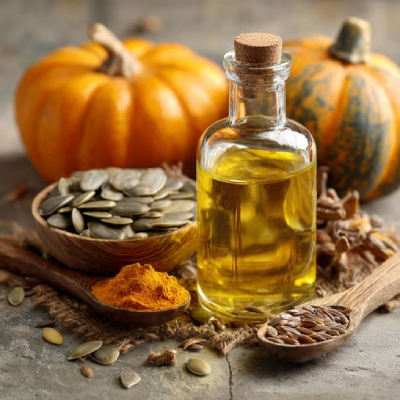
1. Pumpkin Seed Oil, Saw Palmetto, and Curcumin: These are known for their ability to reduce DHT levels, a hormone linked to hair loss. Scalp massages with these oils not only nourish hair follicles but also stimulate blood flow.
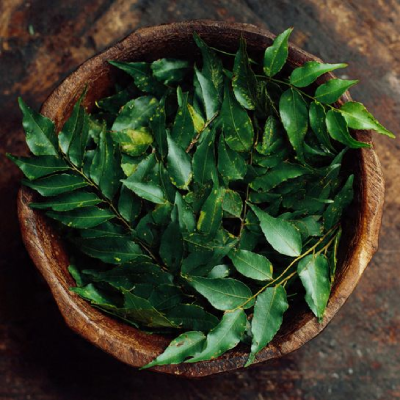
2. Curry Leaves: A staple in Indian kitchens, curry leaves are rich in beta-carotene, proteins, and iron. They help prevent hair fall and premature greying while strengthening hair from the roots.
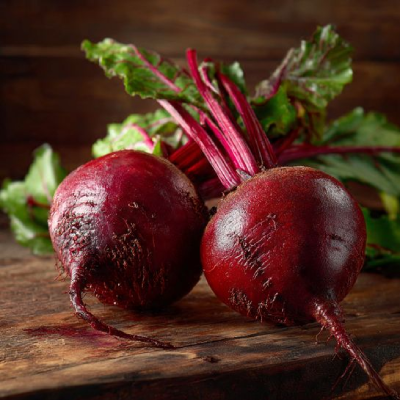
3. Beetroot: High in nitric oxide and antioxidants, beetroot improves blood flow to the scalp, promoting healthier hair growth.
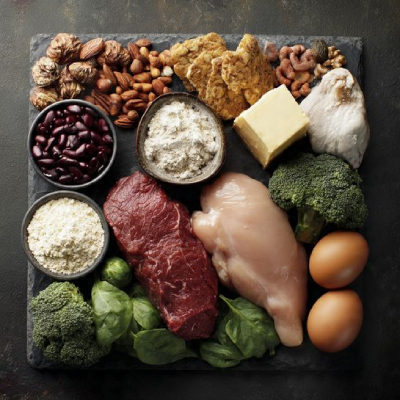
4. Protein and Iron-Rich Foods: Keratin, the protein that makes up your hair, relies on good dietary protein. Similarly, iron from foods like spinach, lentils, and moringa supports healthy blood circulation to the scalp.
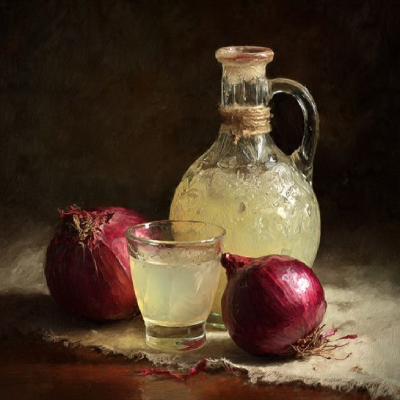
5. Onion Juice: Packed with sulfur and catalase, onion juice helps manage hair fall and premature greying, making it a trusted kitchen remedy.
Pair these remedies with gentle, sulfate-free hair products to protect your scalp’s natural oils and enhance overall hair health.
Support with Pink Tiger
Pink Tiger is an independent lab testing platform. By focusing on clean, lab-tested supplements and nutrition products, you can address internal factors like inflammation, nutrient deficiencies, and hormonal balance that influence hair strength and growth.
Incorporating Pink Tiger–verified products into your daily routine, alongside a wholesome diet, stress management, and gentle hair care, creates the ideal environment for your hair to thrive. When your body is nourished and balanced from within, your hair naturally reflects that health, stronger, thicker, and more resilient.
Small Steps for Healthier Hair
Healthy hair is much more than a cosmetic goal, it mirrors your body’s overall well-being. Hair loss or thinning often signals underlying imbalances, whether it’s chronic inflammation, hormonal fluctuations, compromised cellular energy, or environmental factors like water quality and chemical exposure. By paying attention to these hidden contributors, you can address hair concerns at the root rather than merely masking the symptoms.
Adopting a holistic approach is key. This includes nourishing your body with whole, nutrient-rich foods, considering targeted supplements when needed, choosing gentle and scalp-friendly hair care products, and prioritizing lifestyle habits that reduce stress and support overall health. Even small, consistent changes in these areas can strengthen hair follicles, improve strand quality, and promote sustained growth. When you care for your body as a whole, your hair naturally thrives, shining as a true reflection of your internal health.
Frequently Asked Questions (FAQs)
1. Can stress really cause hair loss?
Yes. Chronic or intense stress can disrupt the natural hair growth cycle, leading to a condition called telogen effluvium, where hair prematurely enters the resting (telogen) phase and falls out more easily. Stress hormones like cortisol can also affect nutrient absorption, reduce blood flow to hair follicles, and trigger inflammation in the scalp, all of which weaken hair strength and slow growth. Incorporating stress-reduction techniques such as mindfulness meditation, yoga, regular physical activity, and ensuring adequate sleep can help minimize stress-related hair shedding.
2. How do hormones affect hair health?
Hormones are central to hair growth and follicle health. Dihydrotestosterone (DHT), a derivative of testosterone, binds to hair follicles and can cause them to shrink, producing thinner, weaker strands over time. Other hormonal factors such as thyroid imbalances, insulin resistance, and fluctuations during menopause or pregnancy can also disrupt the hair cycle. Balancing hormones through lifestyle interventions, proper nutrition, medical guidance, and addressing underlying conditions is crucial for maintaining healthy hair density and reducing thinning.
3. Does diet really impact hair growth?
Absolutely. Hair is made primarily of keratin, a protein, so adequate protein intake is essential. Micronutrients such as iron, zinc, biotin, vitamin D, vitamin B12, and omega-3 fatty acids are also vital for follicle function and hair strand integrity. Nutritional deficiencies can lead to weak, brittle hair and slow down regrowth and hair loss. A balanced, nutrient-rich diet, combined with targeted supplementation when necessary helps ensure that follicles have all the building blocks they need for strong, healthy hair.
4. Can hard water cause hair loss?
Yes. Hard water contains high levels of minerals such as calcium and magnesium that can accumulate on both the scalp and hair shaft. This mineral buildup can make hair rough, dry, and brittle, while also clogging follicles and reducing nutrient delivery. Over time, this can lead to breakage, hair thinning, and scalp irritation. Solutions include using a water softener, applying chelating shampoos, or rinsing hair with filtered or soft water to reduce mineral buildup and maintain scalp health.
5. Are hair products contributing to hair loss?
Many commercial shampoos, conditioners, and styling products contain harsh chemicals like sulfates, parabens, formaldehyde-releasing preservatives, and artificial fragrances. These ingredients strip natural oils from the scalp, disrupt the scalp’s protective barrier, and can trigger inflammation or allergic reactions. Choosing gentle, chemical-free, and scalp-friendly products helps maintain moisture, preserve natural oils, reduce irritation, and strengthen hair follicles, promoting healthier and more resilient hair over time.
Disclaimer: This content is for informational purposes only and is not a substitute for professional medical advice, diagnosis, or treatment. Always consult your healthcare provider before trying any new food items, supplements, or products, especially if you have an existing medical condition or allergies.
References:
1. Natarelli, N., Gahoonia, N., & Sivamani, R. K. (2023). Integrative and Mechanistic Approach to the Hair Growth Cycle and Hair Loss. Journal of clinical medicine, 12(3), 893. https://doi.org/10.3390/jcm12030893
2. Du, F., Li, J., Zhang, S., Zeng, X., Nie, J., & Li, Z. (2024). Oxidative stress in hair follicle development and hair growth: Signalling pathways, intervening mechanisms and potential of natural antioxidants.Journal of Cellular and Molecular Medicine, 28(12), e18486. https://doi.org/10.1111/jcmm.18486
3. Almohanna, H. M., Ahmed, A. A., Tsatalis, J. P., Tosti, A., & others. (2019). The role of vitamins and minerals in hair loss: A review. Dermatology and Therapy, 9, 51–70. https://doi.org/10.1007/s13555-018-0278-6
4. Grymowicz, M., Rudnicka, E., Podfigurna, A., Napierala, P., Smolarczyk, R., Smolarczyk, K., & Meczekalski, B. (2020). Hormonal Effects on Hair Follicles. International Journal of Molecular Sciences, 21(15), 5342. https://doi.org/10.3390/ijms21155342
5. Tran, H.G., Shuayprom, A., Ruchusatsawat, A. et al. Oxyresveratrol enhances hair regeneration in human dermal papilla cell and androgenetic alopecia mouse model. Sci Rep 15, 17551 (2025). https://doi.org/10.1038/s41598-025-02581-z