5 Dangerous Gym Nutrition Myths Explained by Science
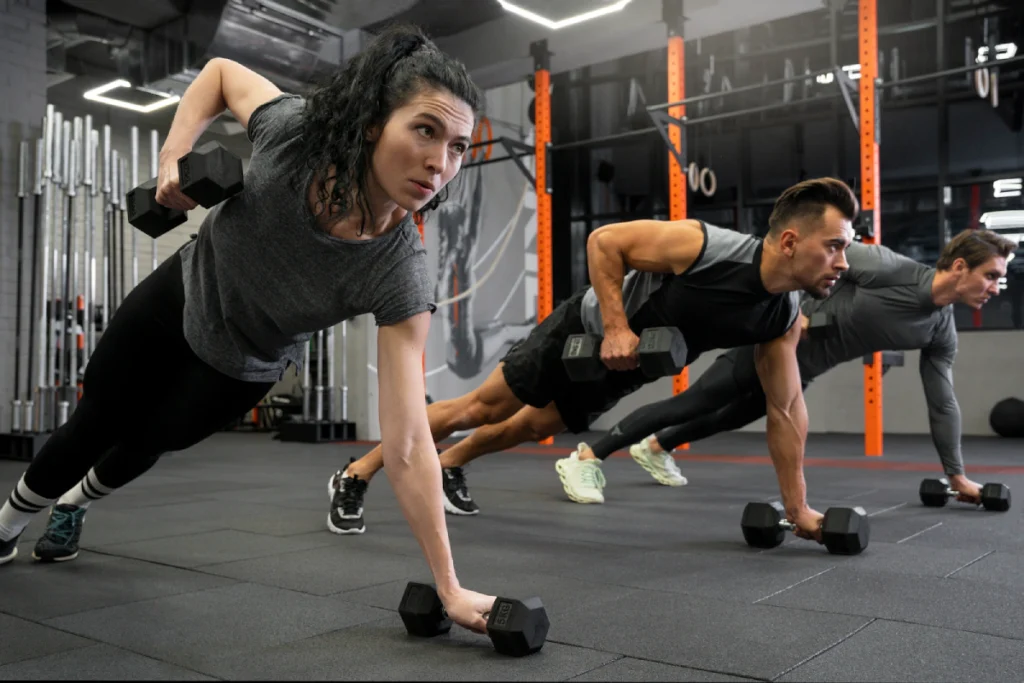
I’ll never forget the morning when my trainer, full of confidence, casually remarked, “Cut all your rice, that’s why you’re not losing fat.” He was an amazing trainer, great at forms, motivational, and seriously pushed me to be better every session.
But nutrition? Well, that was another story. It sounded simple, but soon, I found myself tired, craving food, and honestly, seeing little progress. It was a classic case of gym myths being passed off as gospel truth. After that, I dove deep into nutrition research, peeling away layers of misinformation and replacing them with solid, evidence-based insights. I’ve come across five popular nutrition myths that still echo in gyms around the world, and let’s unravel them together to see what science really shows.
Table of Contents
Nutrition Myth 1: “Cut all carbs to lose fat”
The Belief
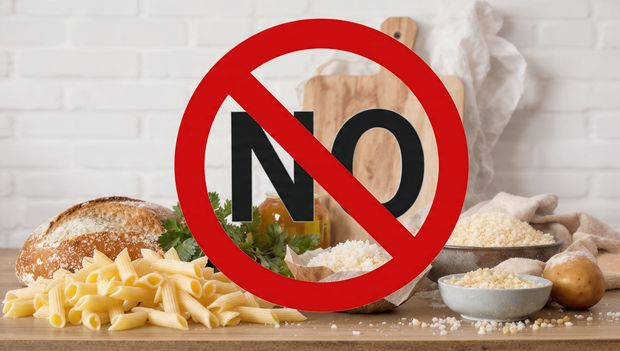
If you walk into almost any gym, it’s only a matter of time before you hear someone say, “Lose carbs, lose fat faster.” Carbohydrates, especially staples like rice and bread, often get the blame for weight gain. It’s easy to see why they become the bad guys in so many weight loss narratives.
Real Story from the Gym Floor
A 28-year-old professional. She was sold on the idea that cutting out carbs would have her shedding fat in no time. So, she slashed her carb intake and started loading up on protein. Sounds like a good plan, right? Wrong. Despite her best efforts, she felt drained before her workouts and eventually gave up her morning runs altogether.
What Research Says
Science tells a different story. Research shows that while low-carb diets can lead to quick weight loss, their long-term sustainability is not guaranteed. One study found that a low-carb diet combined with whey protein helped reduce body fat in overweight individuals, but those results were from a clinical setting, not something you’d necessarily see in a typical gym lifestyle. Another study with strength-trained men found that whether they followed a low-fat, high-carb diet or a low-carb, high-fat diet, neither really outperformed the other in the long run.
Why This Myth Persists
Carbs are easy to point fingers at. They’re tangible, something we can see and easily remove from our plates, unlike the complex issues of stress, sleep or overall calorie intake. However, carbs are our go-to source of fuel for high-intensity workouts, especially for activities like resistance training and sprinting.
Real Wisdom
- Don’t demonise all carbs; focus on quality (whole grains, fruits, legumes).
- For high-intensity training or long sessions, proper carbohydrate fueling enhances performance and energy levels.
Bottom line: Carbohydrates aren’t inherently fattening. What truly matters are total calorie intake and activity levels. With the right balance, carbs can even boost your performance and speed up recovery.
Nutrition Myth 2: “You need protein powder to build muscle”
The Belief
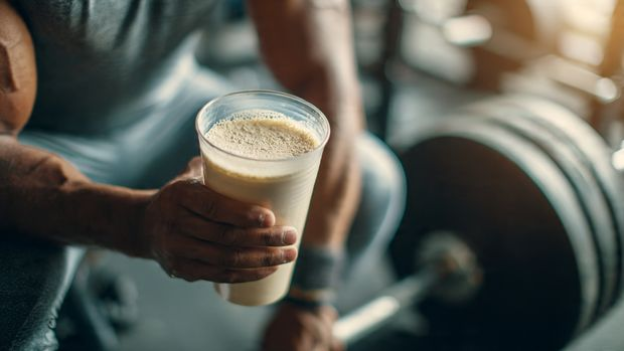
So many products are marketed to us, especially protein powders like whey, being touted as must-haves for muscle growth. Trainers often echo this sentiment, urging clients to reach for protein shakes as if they are the holy grail of muscle-building.
Gym Reality
A member diligently bought whey protein shakes after every workout, convinced that they were his ticket to mastering gains. But here’s the kicker: despite the shakes, his overall protein intake was still lacking, and his progress was slow. It seemed like his shake habit was more of a ritual than a nutritional necessity.
Research Evidence
Long-term studies on resistance training show that total protein intake matters far more than whether it comes from powders or whole foods. A randomised trial found that post-exercise whey did not significantly change muscle size or strength compared to carbohydrate supplementation when total protein was adequate, although whey did help reduce abdominal fat and support relative fat-free mass.
Moreover, scientometric analysis reveals that protein intake paired with resistance training consistently supports muscle hypertrophy, but the delivery form is secondary.
Why It is Misleading
The convenience and marketing power of protein powders can be tempting, but for many people, a diet rich in eggs, dairy, legumes, meats, tofu, or fish can meet their protein needs just fine.
Practical Takeaway
- Aim for sufficient total daily protein (often ~1.4–2.0 g/kg for strength training goals; individual needs vary).
- Use supplements only if whole foods fall short due to schedule or appetite.
Nutrition Myth 3: “Women will get bulky if they lift heavy”

The Belief
One of the most pervasive gym myths is that women will somehow get “bulky” if they lift heavy weights. You hear it everywhere, and it can be pretty disheartening for women who want to get stronger but fear the physical outcome.
My Personal Observation
I coached a woman who had shied away from weights because someone once told her that lifting heavy would make her look “man-like.” For years, she stuck to machines with light weights. Can you guess what happened? She plateaued, stuck in a cycle of frustration and unfulfilled potential.
What Research Suggests
Physiologically, women respond to resistance training differently from men. Studies consistently show that while women can gain strength and some lean mass, achieving extreme hypertrophy, what most perceive as “bulky” is pretty unlikely due to hormonal differences (lower testosterone levels, for instance). Research backs up the fact that resistance training improves body composition, bone density, and metabolic health.
Bio-individuality Factor
Let us keep in mind that everyone is unique. Some women may not want noticeable muscle growth, while others actually seek it. Your genetic makeup, hormone levels, and personal goals will ultimately determine how your body responds to training.
Actionable Tip
- Use progressive overload with resistance training to improve strength and tailor volume to your goals.
- Do not skip heavy lifts out of fear; they build strength without forcing a “bulky” look for most women.
Nutrition Myth 4: “Fat is evil, go low-fat for best results”
The Belief
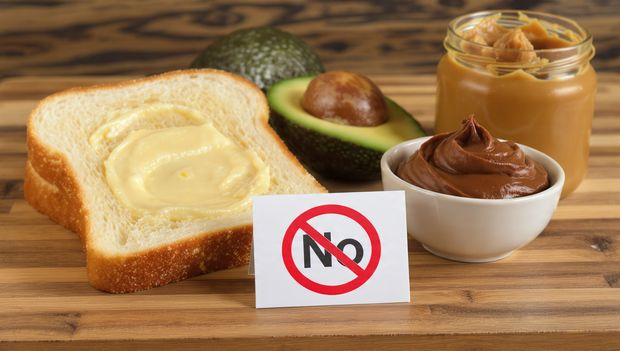
Fat is often labelled as the enemy of a healthy diet. Many people still cling to the idea that fat leads to weight gain, making them avoid all forms of it.
Gym Narrative
I have seen countless individuals eating low-fat snacks while thinking they are being ‘healthy.’ Yet, they often overlook that some of those snacks are packed with sugar and empty calories.
Scientific Context
Recent studies have shown that dietary fat is essential for various bodily functions, including hormone production and nutrient absorption. Healthy fats, like those from avocados, nuts, and fish, can actually support weight management and overall health. In fact, some studies suggest that diets higher in healthy fats can lead to better satiety and may help reduce overall calorie intake.
Why It’s Confusing
The idea that fat leads to weight gain is stuck in our collective minds, partially due to past diet trends that vilified it. But not all fats are created equal, and it’s easy to lose sight of the distinction between unhealthy trans fats and healthy fats that your body needs.
Smart Approach
- Prioritise healthy fats (nuts, seeds, olive oil, fatty fish).
- Balance fat intake with other macros rather than restricting it arbitrarily.
Nutrition Myth 5: “You must eat right before or within a narrow window after training”
The Belief
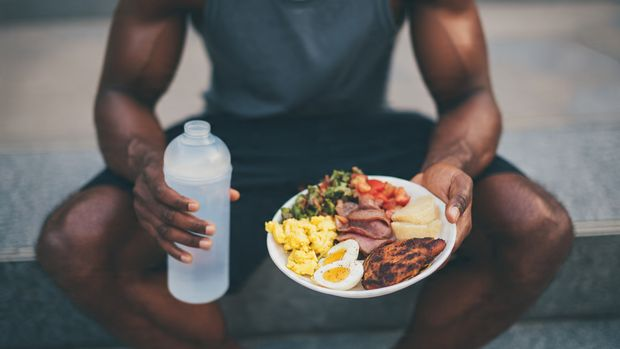
Gym lore promotes the so-called “anabolic window”, a short period post-workout when protein must be consumed to maximise gains.
Real-Gym Scenario
A guy insisted on chugging a protein shake within 20 minutes after every session, convinced this was the key to gains. Yet research now shows that overall daily protein matters more than tight timing.
What Recent Reporting Shows
Experts now say that while muscles are more receptive soon after workouts, there’s not a rigid 30-minute window. Daily protein distribution and total intake matter more than chasing a narrow post-workout window.
The Bio-Individuality Angle
Digestive comfort and energy levels vary from person to person, so some may feel best eating closer to workouts while others perform better with more spaced meals. Instead of rigid timing rules, let your appetite, digestion, and total daily intake guide when you eat.
Practical Tip
- Prioritise total daily protein intake rather than obsessing over a narrow post-workout window.
- Include protein around workouts when convenient to support recovery, without strict timing rules.
- Consistency matters more than precision, so focus on regular, balanced intake across the day.
Why One-Size-Fits-All Doesn’t Work, The Power of Bio-Individuality
A critical thread through all these myths is bio-individuality; the fact that every body responds differently. Genetics, sex, hormones, metabolism, digestive health, lifestyle, and even stress and sleep patterns shape how your body uses food.
One person may thrive on a higher-carb plan; another may feel lethargic and perform better with moderate carbs. Some bodybuilders prefer higher protein, others get excellent results with balanced macros and fewer supplements.
Research supports variation. On one hand, high-protein diets help improve body composition and preserve lean mass when combined with exercise, especially in overweight adults. On the other hand, low-carb or high-fat approaches may aid early weight loss but are not universally superior for performance or mass gain. Decision-making grounded in personal monitoring, not blanket rules, yields better results.
Evidence-Backed Takeaways You Can Use Today
✅ Carbs aren’t villains. : Quality carbs fuel performance and recovery.
✅ Protein matters, but whole foods work as well as powders : Powders are a tool when needed, not a necessity.
✅ Weights won’t make women bulky. : Progressive strength training improves body composition and health.
✅ Healthy fats support hormones and satiety. : Avoid demonising fats arbitrarily.
✅ Protein timing windows are wide. : Total daily intake and meal distribution matter more.
Bio-individuality Tip: Track energy, strength, mood, sleep, and body changes over weeks. Adjust one variable at a time (e.g., slightly increase carbs around workouts or tweak protein at breakfast) and observe what feels best.
The Pink Tiger Perspective
At Pink Tiger, we see the impact of nutrition myths every day; from overhyped supplements to fear-based food rules that often do more harm than good. That’s why our approach is simple: verify before you trust. We look beyond marketing claims and focus on what current research actually supports, whether it’s protein powders, health supplements, or everyday nutrition choices.
We believe fitness nutrition should be grounded in science, transparency, and bio-individuality — not blanket rules repeated on the gym floor. Every body responds differently, and informed decisions begin with accurate information. By independently testing, questioning labels, and validating claims, Pink Tiger helps consumers move away from nutrition myths and toward evidence-based choices they can feel confident about.
Explore Pink Tiger–verified products to see how science-led verification can support smarter, safer nutrition decisions; without hype or shortcuts.
Conclusion: Listen to Research and Yourself
Trainers, influencers, TikTok gurus, and even well-meaning gym friends often speak with confidence, but confidence alone does not equal science. Most nutrition myths continue to circulate not because they are accurate, but because they are simple, catchy, and easy to repeat on the gym floor. Over time, repetition turns these myths into “rules,” even when research tells a more nuanced story.
Your fitness journey is shaped by your goals, lifestyle, metabolism, training load, and personal health history, not by generic advice. That’s why blindly following a nutrition myth can stall progress or even do more harm than good. The smarter approach is to use scientific research as your foundation, observe how your own body responds, and adjust accordingly. Nutrition is not a rigid set of universal rules; it is a personalised, data-backed experiment that evolves with you.
Frequently Asked Questions (FAQs)
1. Why do so many nutrition myths exist in gyms?
Gym nutrition myths often spread because they are simple, easy to remember, and appear to work for a few people. Trainers, influencers, or fellow gym-goers may share advice based on personal experience rather than scientific training. Over time, repetition turns these ideas into “rules,” even when research shows that nutrition responses vary widely between individuals.
2. How can I tell if a health claim is a nutrition myth?
Be cautious of absolute statements like “everyone must” or “this works for all,” because nutrition rarely operates on universal rules. Most nutrition myths gain traction by using fear-based language, viral trends, or a single dramatic success story, rather than consistent scientific evidence. In contrast, evidence-based nutrition advice recognises individual differences, provides context around who a recommendation may or may not suit, and avoids promoting quick fixes, extreme restrictions, or so-called miracle products.
3. Are all popular gym tips actually nutrition myths?
Not all popular advice is a nutrition myth, but much of it becomes misleading when it is oversimplified or taken out of context. General recommendations like “eat more protein” or “stay hydrated” are supported by research and apply broadly, but they still need to be adjusted based on age, activity level, health status, and training goals. Problems arise when advice turns rigid, such as completely eliminating food groups or following extreme dietary rules, because these approaches ignore bio-individuality and often lack long-term scientific support, which is why they commonly fall into the category of nutrition myths.
4. Are supplements the biggest source of nutrition myths?
Supplements are a common source of nutrition myths because they are heavily marketed and promise fast results. While some supplements are evidence-backed, many claims exaggerate benefits or ignore individual needs. Whole-food diets and verified products should form the foundation of any nutrition plan.
5. What is the best way to avoid falling for nutrition myths?
The best defence against nutrition myths is critical thinking. Look for credible sources, question extreme claims, track how your body responds, and prioritise long-term consistency over quick fixes. Evidence-based, personalised nutrition is more sustainable than following trends.
Disclaimer : This content is for informational purposes only and is not a substitute for professional medical advice, diagnosis, or treatment. Always consult a qualified healthcare provider for any questions or concerns regarding your health.
References:
1. De Pergola, G., Zupo, R., Lampignano, L., Paradiso, S., Murro, I., Cecere, A., Bartolomeo, N., Ciccone, M. M., Giannelli, G., & Triggiani, V. (2020). Effects of a Low Carb Diet and Whey Proteins on Anthropometric, Hematochemical, and Cardiovascular Parameters in Subjects with Obesity. Endocrine, metabolic & immune disorders drug targets, 20(10), 1719–1725. https://doi.org/10.2174/1871530320666200610143724
2. Wrzosek, M., Woźniak, J., & Włodarek, D. (2021). The effect of high-fat versus high-carb diet on body composition in strength-trained males. Food science & nutrition, 9(5), 2541–2548. https://doi.org/10.1002/fsn3.2204
3. Hulmi, J. J., Laakso, M., Mero, A. A., Häkkinen, K., Ahtiainen, J. P., & Peltonen, H. (2015). The effects of whey protein with or without carbohydrates on resistance training adaptations. Journal of the International Society of Sports Nutrition, 12, 48. https://doi.org/10.1186/s12970-015-0109-4
4. Chen, W. Nutritional interventions in muscle hypertrophy research: a scientometric analysis within the context of resistance training (1992–2025). J Health Popul Nutr 44, 272 (2025). https://doi.org/10.1186/s41043-025-01031-w
5. CHAPTER 1 – MYTHS AND MISCONCEPTIONS IN SPORTS NUTRITION – Sports Nutrition with Professor Toni Gist. (n.d.). https://publish.illinois.edu/sportsnutrition/ch1-myths/
6. Wycherley, T. P., Noakes, M., Clifton, P. M., Cleanthous, X., Keogh, J. B., & Brinkworth, G. D. (2010). A high-protein diet with resistance exercise training improves weight loss and body composition in overweight and obese patients with type 2 diabetes. Diabetes care, 33(5), 969–976. https://doi.org/10.2337/dc09-1974