Plant-Based Nutrition: 7 Powerful Reasons It’s Here to Stay

The buzz around plant-based nutrition has grown louder in recent years, with countless stories of health transformations flooding social media. But as with any trend, misinformation and blind adoption often follow. While a plant-based nutrition offers undeniable benefits, it’s essential to understand and follow it correctly.
Table of Contents
Plant-based nutrition – More than just a trend!
Plant-based nutrition has moved far beyond a fleeting food trend or a social media challenge. What began as a niche lifestyle choice has steadily evolved into a globally recognized approach to eating, embraced by doctors, nutritionists, athletes, and everyday households alike.
Yet, with popularity comes confusion.
From viral “what I eat in a day” reels to extreme dietary claims, plant-based eating is often misunderstood, misapplied, or followed without proper guidance. The truth is, plant-based nutrition isn’t about elimination; it’s about optimization. When done right, it can support long-term health, environmental sustainability, and overall well-being.
So, why is plant-based nutrition here to stay? Let’s break it down; clearly, scientifically, and practically.
What Is a Plant-Based Nutrition?
At its core, plant-based nutrition focuses on prioritizing foods that come from plants, while still allowing flexibility based on individual needs and preferences.
Key Components of a Plant-Based Diet:
– Fruits and vegetables
– Whole grains
– Legumes (lentils, beans, chickpeas)
– Nuts and seeds
– Plant oils and minimally processed plant foods
Unlike restrictive diets, plant-based nutrition does not require eliminating animal products entirely. Instead, it shifts the plate, making plants the foundation rather than the side dish.
This flexibility is what makes plant-based nutrition sustainable in the long run.
Plant-Based Nutrition vs Vegan Diet: Not the Same Thing

Although often used interchangeably, these two approaches differ significantly.
Vegan Diet:
– Eliminates all animal-derived products
Completely excludes meat, poultry, fish, dairy, eggs, honey, and any ingredient sourced from animals, regardless of quantity.
– Extends beyond food choices
Often avoids animal-derived materials in clothing, cosmetics, and personal care products, reflecting a lifestyle approach rather than just a diet.
– Driven by ethical and environmental values
Many individuals adopt a vegan diet due to concerns about animal welfare, climate change, and sustainability.
– Requires careful nutritional planning
Nutrients such as vitamin B12, iron, omega-3 fatty acids, calcium, and vitamin D often need supplementation or fortified foods.
– Highly structured and principle-based
Adherence is usually strict, leaving little room for flexibility or occasional exceptions.
Plant-Based Nutrition:
– Centers on nutritional quality and health outcomes
Prioritizes foods that offer maximum nutritional value, focusing on disease prevention, gut health, and overall well-being.
– Allows limited animal products when needed
Small amounts of dairy, eggs, fish, or meat may be included based on individual health needs, cultural preferences, or lifestyle choices.
– Emphasizes whole, minimally processed foods
Encourages fruits, vegetables, whole grains, legumes, nuts, and seeds over refined or ultra-processed options.
– Flexible and adaptable
Suitable for beginners, families, and long-term sustainability without rigid restrictions.
– Focuses on progress, not perfection
The goal is to eat more plants consistently rather than follow absolute rules.
This distinction matters. Many people thrive on plant-based nutrition precisely because it avoids rigid rules and encourages balance over perfection.
Reason #1: Backed by Strong Scientific Evidence
Plant-based nutrition isn’t a fad, it’s supported by a large body of long-term scientific research showing that diets rich in plants are linked with meaningful health benefits. Below are simplified, research-backed points you can reference.
✔ Broad Evidence Across Thousands of Participants
– Meta-analysis of 55 studies involving over 2.2 million people found that greater adherence to plant-based dietary patterns was consistently linked with lower risks of type 2 diabetes, cardiovascular disease (CVD), cancer, and all-cause mortality, especially when the diet emphasized whole plant foods like vegetables, fruits, grains and legumes.
Higher plant intake = lower disease risk across multiple major illnesses.
Read it here: https://nutritionj.biomedcentral.com/articles/10.1186/s12937-023-00877-2
✔ Lower Overall Death Risk with Plant-Rich Eating
– A systematic review found that people who eat more plant foods have reduced risk of all-cause mortality, CVD mortality, and cancer mortality compared with those who eat fewer plant foods, especially when the plant-based diet is healthful (versus high-processed plant foods).
This suggests that not just plant foods, but healthy plant foods matter most—emphasizing the quality of plant-based nutrition.
Read it here: https://pubmed.ncbi.nlm.nih.gov/39507899
✔ Heart Health Benefits Confirmed
– A pooled review of large cohort studies (nearly 700,000 participants) showed that people with higher adherence to plant-based dietary patterns had significantly lower risks of cardiovascular disease and coronary heart disease compared to those with lower adherence.
Key takeaway: Plant-centered eating may help prevent heart disease.
Read it here: https://pubmed.ncbi.nlm.nih.gov/34836208
✔ Long-Term Health Outcomes from EPIC-Oxford
– In the EPIC-Oxford study, individuals following plant-based diets tended to have:
– Lower LDL (“bad”) cholesterol
– Lower body mass index (BMI)
– Lower rates of heart disease and diabetes
While some nutrient differences were identified (e.g., vitamin B12), overall long-term health outcomes were positive.
✔ Brain & Cognitive Support
– Research on plant-based dietary patterns suggests that diets rich in fruits, vegetables, nuts, seeds, and whole grains are linked to improved cognitive health and a lower risk of neurodegenerative decline, likely due to anti-inflammatory and antioxidant effects.
This highlights that plant-based nutrition can benefit more than just physical health, brain health too.
✔ Real-World Examples of Longevity

– Observations from Blue Zones populations, regions with exceptionally high numbers of centenarians, show that diets naturally high in plant foods (beans, greens, fruits, whole grains, nuts) are common among the longest-living people in the world.
This real-world evidence aligns with clinical data and shows how plant-based nutrition supports long lifespan and reduced disease rates.
Reason #2: Better Blood Sugar Control
One of the most extensively researched benefits of plant-based nutrition is its powerful role in improving blood sugar regulation and overall metabolic health. This isn’t just about cutting sugar or carbohydrates, it’s about how plant foods interact with the body’s glucose and insulin pathways.
Why Plant-Based Nutrition Works for Blood Sugar Control
1. High Fiber Content Slows Glucose Absorption
Whole plant foods are naturally rich in dietary fiber, particularly soluble fiber. Unlike refined carbohydrates, fiber slows digestion and delays the release of glucose into the bloodstream. This results in:
– Gradual blood sugar rises
– Reduced post-meal glucose spikes
– Improved satiety and appetite control
Foods such as oats, lentils, chickpeas, beans, vegetables, and seeds form a “fiber matrix” that regulates how quickly carbohydrates are absorbed, preventing sudden energy crashes.
2. Improved Insulin Sensitivity
Insulin sensitivity refers to how effectively the body uses insulin to transport glucose from the blood into cells. Diets high in whole plant foods are typically lower in saturated fat, which has been linked to insulin resistance. By reducing fat-induced insulin interference, plant-based nutrition:
– Enhances cellular glucose uptake
– Lowers insulin demand
– Supports long-term metabolic flexibility
This is particularly important for individuals at risk of metabolic syndrome or Type 2 diabetes.
3. Reduced Blood Sugar Spikes and Inflammation
Plant-based diets are rich in antioxidants, polyphenols, and anti-inflammatory compounds. Chronic inflammation plays a major role in insulin resistance. By reducing inflammation, plant foods help stabilize blood sugar levels and improve insulin signaling over time.
Real-World Metabolic Benefits Seen in Research
Clinical and population-based studies consistently show that individuals who follow plant-forward eating patterns tend to experience:
– Lower fasting blood glucose levels, indicating better baseline glucose control
– Reduced risk of developing Type 2 diabetes, even after adjusting for body weight
– Improved HbA1c levels, a long-term marker of blood sugar stability over 2–3 months
Some research also suggests that plant-based diets can support partial reversal of insulin resistance when combined with physical activity and weight management.
Who Benefits the Most?
Plant-based nutrition is especially beneficial for:
– Individuals with insulin resistance
– Those diagnosed with prediabetes
– People managing Type 2 diabetes (under professional guidance)
– Anyone experiencing energy crashes from high-glycaemic diets
By focusing on whole, minimally processed plant foods, this approach supports steady energy levels, improved glucose metabolism, and long-term metabolic resilience.
In essence, plant-based nutrition doesn’t just manage blood sugar, it helps reset how the body handles glucose altogether.
Reason #3: Powerful Heart Health Protection
Cardiovascular disease remains one of the leading causes of death globally. Plant-based nutrition directly addresses many of its root causes.
Heart-Healthy Benefits:
– Naturally low in saturated fat
– Free from dietary cholesterol
– Rich in antioxidants and potassium
Plant foods help reduce inflammation and oxidative stress—two major contributors to heart disease. Diets high in fruits, vegetables, and whole grains are associated with:
– Lower LDL cholesterol
– Improved blood pressure
– Reduced risk of heart attacks and strokes
Simply put, plants protect the heart.
Reason #4: Potential Role in Cancer Prevention
While no diet can guarantee cancer prevention, plant-based nutrition may significantly lower risk.
How Plants Help:
– Rich in phytochemicals and antioxidants
– Reduce inflammation
– Support healthy gut bacteria
Compounds like flavonoids, carotenoids, and polyphenols help neutralize free radicals that damage cells. Research suggests higher plant food intake is associated with lower risks of:
– Colorectal cancer
– Breast cancer
– Prostate cancer
Fiber-rich diets also support gut health, which plays a crucial role in immune function and inflammation control.
Reason #5: Supports Brain Health and Cognitive Longevity
Emerging research shows that what you eat profoundly impacts how your brain ages.
Plant-based nutrition provides:
– Polyphenols for neuroprotection
– Omega-3 fatty acids from flaxseeds and walnuts
– Anti-inflammatory compounds
These nutrients support memory, focus, and long-term cognitive health. Diets rich in plant foods have been linked to a reduced risk of neurodegenerative conditions and age-related cognitive decline.
A nourished brain begins with a nourished plate.
Reason #6: Sustainable for the Planet and Your Lifestyle
Sustainability isn’t just environmental—it’s personal.
Plant-based nutrition:
– Requires fewer natural resources
– Produces lower greenhouse gas emissions
– Encourages seasonal, local eating
From a lifestyle perspective, its flexibility makes it easier to maintain compared to extreme dietary restrictions. You don’t have to be “all or nothing” to experience benefits.
That’s why plant-based nutrition fits seamlessly into modern life.
Reason #7: Adaptable to Every Stage of Life
One of the strongest reasons plant-based nutrition is here to stay is its adaptability.
Whether you’re:
– A student
– A working professional
– A parent
– An older adult
Plant-based eating can be customized to meet different calorie, protein, and nutrient needs. With proper planning, it supports growth, performance, recovery, and aging.
Common Challenges: Are You Doing It Right?
Despite its benefits, plant-based nutrition must be practiced mindfully.
Common Pitfalls:
1. Protein Gaps
Relying only on vegetables without including legumes, tofu, or seeds can lead to inadequate protein intake.
2. Overconsumption of Processed Alternatives
Plant-based junk food is still junk food. Highly processed meat substitutes can be high in sodium and additives.
3. Micronutrient Deficiencies
Potential gaps include:
– Vitamin B12
– Iron
– Omega-3 fatty acids
– Vitamin D
Regular blood tests and professional guidance can help avoid deficiencies.
Practical Tips for Transitioning to Plant-Based Nutrition
Transitioning doesn’t have to be overwhelming.
Start Small
Begin with one plant-based meal a day—like a lentil dal with brown rice or a vegetable-loaded grain bowl.
Diversify Your Plate
Include a mix of:
– Whole grains
– Legumes
– Nuts and seeds
– Seasonal vegetables
Plan Ahead
Meal prep reduces dependence on processed foods and makes consistency easier.
Listen to Your Body
Plant-based nutrition is personal. Adjust portions, food combinations, and supplements as needed.
A Balanced Plate, A Balanced Life
Plant-based nutrition isn’t about chasing perfection. It’s about intentional nourishment.
When you focus on quality, variety, and balance, plant-based eating becomes a sustainable lifestyle—not a temporary fix.
It respects your body’s needs, your taste preferences, and your long-term health goals.
Plant-Based Supplements: Do You Need Them?
Transitioning to plant-based nutrition may reveal nutrient gaps—especially for nutrients primarily found in animal products.
Commonly Supplemented Nutrients:
– Vitamin B12
– Omega-3 (DHA/EPA from algae)
– Iron (if needed)
– Vitamin D
High-quality, plant-based supplements can help bridge these gaps when dietary sources fall short.
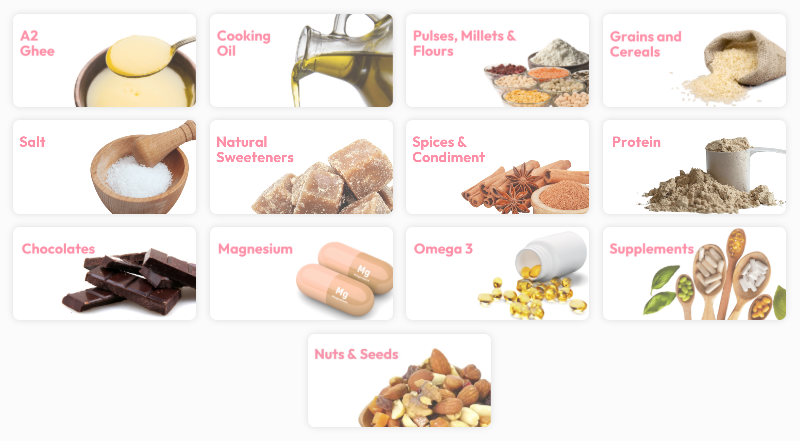
Explore Pink Tiger Verified Plant-Based Products
If you’re considering supplements, choose products that are transparent, responsibly sourced, and quality-tested.
Explore Pink Tiger Verified plant-based products designed to support your plant-forward lifestyle without compromising purity or effectiveness.
Frequently Asked Questions (FAQs)
1. Can plant-based nutrition help reverse prediabetes?
Plant-based nutrition may help improve insulin sensitivity and lower blood sugar levels when followed consistently. Diets rich in whole grains, legumes, vegetables, fruits, nuts, and seeds provide fiber and antioxidants that support better glucose regulation. While it may not “cure” prediabetes on its own, research shows it can significantly reduce progression to Type 2 diabetes when combined with regular physical activity and medical supervision.
2. Will eating carbohydrates on a plant-based diet raise blood sugar?
Not all carbohydrates affect blood sugar the same way. Whole, unprocessed plant foods contain complex carbohydrates and fiber that slow digestion and prevent sudden glucose spikes. Refined carbs and sugary foods whether plant-based or not are the real concern. Choosing whole grains, legumes, and vegetables helps maintain stable blood sugar levels.
3. Can plant-based nutrition improve gut health and digestion?
Yes. Plant-based diets are high in dietary fiber and diverse plant compounds that nourish beneficial gut bacteria. A healthy gut microbiome supports better digestion, nutrient absorption, immune function, and even mood regulation. Increased fiber intake also promotes regular bowel movements and reduces bloating over time.
4. Does plant-based nutrition help with weight management?
Plant-based nutrition can support healthy weight management due to its high fiber and water content, which promotes fullness with fewer calories. Whole plant foods help regulate appetite hormones and reduce overeating, making it easier to maintain a healthy weight without strict calorie counting.
5. Can plant-based nutrition reduce inflammation in the body?
Chronic inflammation is linked to conditions such as arthritis, heart disease, and autoimmune disorders. Plant-based nutrition provides antioxidants, polyphenols, and omega-3 fatty acids from sources like flaxseeds and walnuts, which help lower inflammatory markers and support overall cellular health.
Disclaimer: Please keep your healthcare provider in the loop before introducing any new food item or beauty product into your lifestyle, especially if you have a medical health condition or are on medications. In case you are allergic to certain foods, please avoid them.
References:
1. Wang, Y., Liu, B., Han, H. et al. Associations between plant-based dietary patterns and risks of type 2 diabetes, cardiovascular disease, cancer, and mortality – a systematic review and meta-analysis. Nutr J 22, 46 (2023). https://doi.org/10.1186/s12937-023-00877-2
2. Tan, J., Zhang, S., Jiang, Y., Li, J., & Yang, C. (2024). Plant-based diet and risk of all-cause mortality: a systematic review and meta-analysis. Frontiers in nutrition, 11, 1481363. https://doi.org/10.3389/fnut.2024.1481363
3. Gan, Z. H., Cheong, H. C., Tu, Y. K., & Kuo, P. H. (2021). Association between Plant-Based Dietary Patterns and Risk of Cardiovascular Disease: A Systematic Review and Meta-Analysis of Prospective Cohort Studies. Nutrients, 13(11), 3952. https://doi.org/10.3390/nu13113952
4. Key, T. J., Papier, K., & Tong, T. Y. N. (2022). Plant-based diets and long-term health: findings from the EPIC-Oxford study. Proceedings of the Nutrition Society, 81(2), 190–198. doi:10.1017/S0029665121003748