Oil Pulling: 6 Incredible Health Benefits That Make It Worth
Let’s paint a familiar picture: bad breath that just won’t go away, cavities that keep coming back despite regular brushing, or gums that feel tender, swollen, or bleed a little too easily. If any of this sounds relatable, you’re far from alone.
Despite having access to advanced toothbrushes, chemical mouthwashes, and dental treatments, oral health issues remain incredibly common. Interestingly, some of the simplest and most effective solutions don’t come from modern laboratories but from ancient wisdom.
One such practice is oil pulling, an age-old ritual rooted in Indian traditions that is now gaining global attention for its surprising oral and overall health benefits. Once dismissed as folklore, oil pulling is now being explored through a scientific lens, and many people swear by its transformative effects.
So, what exactly is oil pulling, how does it work, and is it right for you? Let’s dive in.
Table of Contents
What Exactly Is Oil Pulling?
Oil pulling, known as Kavala or Gandusha in Ayurveda, is a traditional oral detoxification technique that involves swishing oil in the mouth for several minutes and then spitting it out.
The practice dates back thousands of years and was traditionally recommended as part of Dinacharya; Ayurveda’s daily self-care routine. While it was primarily used to maintain oral hygiene, Ayurvedic texts suggest its benefits go far beyond just teeth and gums.
The core idea is simple:
The oil “pulls” bacteria, toxins, and impurities from the mouth, preventing them from entering the bloodstream and causing systemic imbalances.
Which Oils Are Used for Oil Pulling?
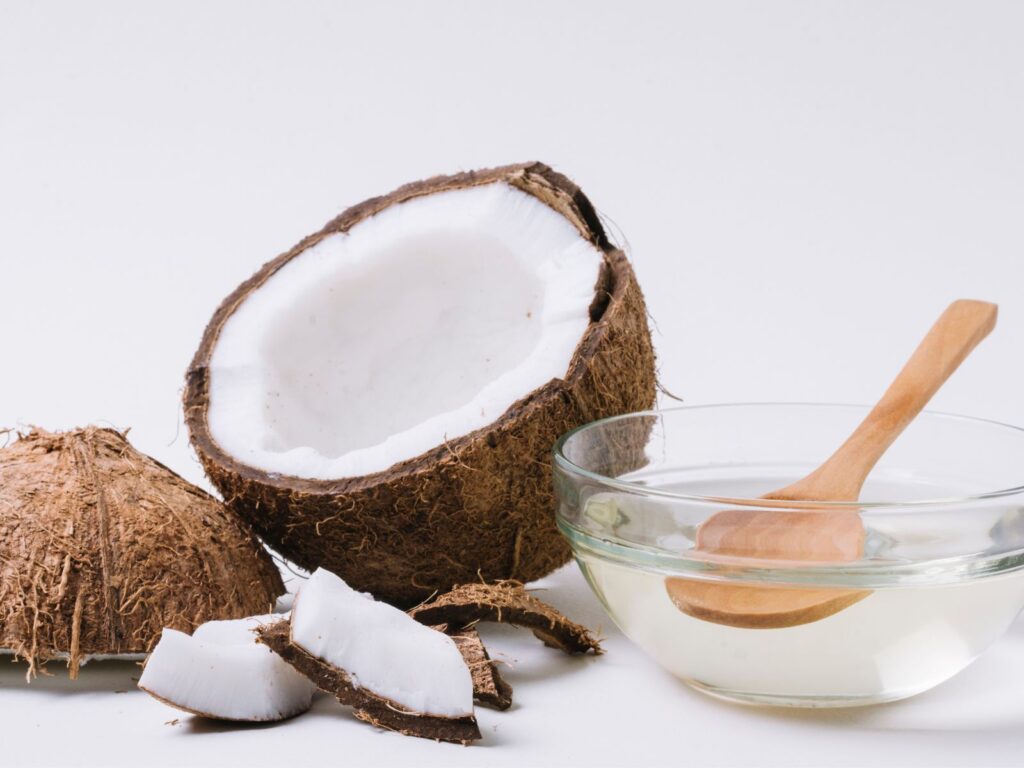
Traditionally, sesame oil was the oil of choice due to its warming properties and compatibility with most body types (doshas). However, in modern times, coconut oil has become the most popular option.
Here’s why:
- Coconut oil – Antibacterial, antiviral, anti-inflammatory, pleasant taste
- Sesame oil – Traditional, warming, deeply cleansing
Among these, coconut oil stands out for its high lauric acid content, which has proven antimicrobial effects.
The Science Behind Oil Pulling
At first glance, oil pulling may seem too simple to be effective. But when broken down scientifically, its mechanism begins to make sense.
1. Emulsification Process
When oil is swished in the mouth, it mixes with saliva and undergoes emulsification. This process breaks the oil into tiny droplets, increasing its surface area and ability to bind with bacteria.
2. Attraction of Lipid-Coated Bacteria
Many harmful oral bacteria have lipid (fat) membranes. Oil naturally attracts these lipid-coated microorganisms, binding to them and pulling them away from teeth, gums, and the tongue.
3. Reduced Plaque Adhesion
Oil coats the teeth and gums, making it harder for bacteria to stick and form plaque. This reduces the risk of cavities and gum disease over time.
Emerging studies suggest it may reduce levels of Streptococcus mutans, a major contributor to tooth decay when practiced consistently.
How Oil Pulling Can Help: 6 Powerful Health Benefits
Oil pulling is more than a trendy wellness habit. It’s a holistic practice that supports oral health and overall well-being. Here are the most notable benefits:
1. Reduces Harmful Oral Bacteria
Your mouth hosts hundreds of bacterial species. While many are beneficial, others contribute to:
- Tooth decay
- Plaque formation
- Gum inflammation
- Bad breath
It helps rebalance the oral microbiome by reducing harmful bacteria without disrupting beneficial ones, unlike harsh chemical mouthwashes.
Over time, this leads to a cleaner, healthier mouth with fewer oral issues.
2. Freshens Breath Naturally
Chronic bad breath (halitosis) is often caused by bacterial buildup, food debris, or gum disease. Instead of masking the smell with artificial flavors, this method tackles the root cause.
By removing odor-causing bacteria and toxins, it offers a long-lasting, natural solution for fresher breath without alcohol or chemicals.
3. Supports Healthy Gums
Gum problems often start with plaque buildup along the gum line. If left untreated, this can progress to gingivitis and even periodontitis.
Coconut oil’s anti-inflammatory and antibacterial properties help:
- Reduce gum redness and swelling
- Soothe irritated tissues
- Minimize bleeding
With regular doing this method, many people notice healthier, firmer gums and reduced sensitivity.
4. May Help Prevent Cavities
Cavities form when bacteria feed on leftover sugars and produce acids that erode tooth enamel.
Oil pulling helps by:
- Reducing cavity-causing bacteria
- Limiting plaque buildup
- Supporting enamel protection
While it should never replace brushing or flossing, it serves as a powerful complementary practice for cavity prevention.
5. Supports a Stronger Immune System
The mouth is one of the main entry points for pathogens. When oral health is compromised, toxins and bacteria can enter the bloodstream, placing extra stress on the immune system.
By reducing the toxic load in the mouth, it helps:
Lower systemic inflammation
Harmful bacteria and toxins from the mouth can enter the bloodstream and trigger low-grade inflammation throughout the body. By reducing oral bacterial load, oil pulling may help decrease this inflammatory burden and support overall metabolic and cellular health.
Reduce immune burden
When the immune system constantly fights oral pathogens, it diverts energy from other essential functions. Oil pulling helps limit repeated exposure to harmful microbes, allowing the immune system to function more efficiently rather than staying in a constant state of defense.
Support the body’s natural defenses
A cleaner oral environment reduces the chances of pathogens spreading to other parts of the body. This supports the body’s innate defense mechanisms, helping maintain balance, resilience, and long-term immune strength.
This is why Ayurveda considers oral care essential for overall vitality.
6. Enhances Skin and Hormonal Health
It may seem surprising, but oral health is closely connected to skin clarity and hormonal balance.
An unhealthy mouth can contribute to:
Chronic inflammation
Poor oral health can contribute to low-grade, chronic inflammation in the body, as harmful oral bacteria may enter the bloodstream. By reducing bacterial load in the mouth, oil pulling may help lower inflammatory stress on the immune system over time.
Acne flare-ups
Oral bacteria and internal inflammation can indirectly trigger acne by affecting gut health and immune responses. Maintaining better oral hygiene through practices like oil pulling may support clearer skin by reducing internal toxin buildup.
Hormonal imbalances
Chronic inflammation and toxin overload can interfere with hormonal signaling and endocrine balance. Oil pulling may support hormonal health indirectly by reducing systemic inflammation and supporting the body’s natural detox pathways.
Many oil pulling practitioners report clearer skin and improved overall wellness. While more research is needed, the detoxifying effect of it may help reduce internal toxin buildup that affects skin and hormones.
How to Practice Oil Pulling the Right Way
This method is simple, cost-effective, and easy to incorporate into your daily routine. Here’s how to do it correctly:
Step 1: Timing Matters
Practice oil pulling first thing in the morning, on an empty stomach, before brushing your teeth. This is when bacteria levels are highest.
Step 2: Choose the Right Oil
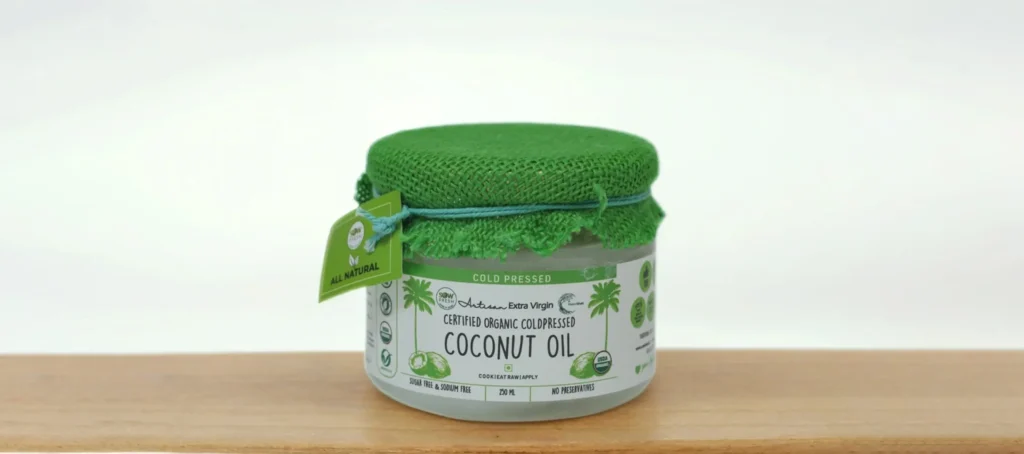
- Use organic, virgin coconut oil for best results
- If using sesame oil, ensure it’s cold-pressed and high quality
Step 3: Start Swishing
- Take 1 tablespoon of oil
- Swish gently around your mouth
- Do not gargle or swallow
Beginners can start with 5 minutes and gradually increase to 15–20 minutes.
Step 4: Spit It Out (Do Not Swallow)
Spit the oil into a trash can, not the sink. The oil contains bacteria and toxins and may clog pipes.
Step 5: Rinse and Brush
Rinse with warm water and brush your teeth as usual. A gentle, fluoride-free toothpaste is ideal.
Why Coconut Oil Is the Preferred Choice
While sesame oil holds traditional significance, coconut oil has gained popularity for good reason.
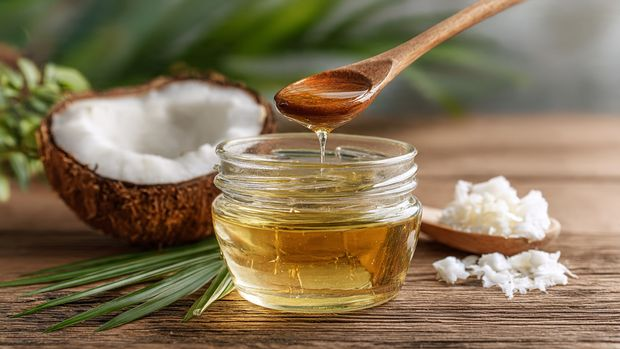
Benefits of Coconut Oil for Oil Pulling:
High in Lauric Acid
Coconut oil is rich in lauric acid, a medium-chain fatty acid known for its strong antimicrobial properties. Lauric acid helps break down harmful bacteria in the mouth, making it especially effective for maintaining oral hygiene.
Strong Antibacterial and Antiviral Action
The natural compounds in coconut oil can combat a wide range of oral bacteria, viruses, and fungi. This helps reduce plaque buildup, bad breath, and the risk of infections without disrupting the mouth’s healthy microbial balance.
Pleasant Taste and Texture
Unlike some traditional oils, coconut oil has a mild, slightly sweet taste and a smooth texture. This makes oil pulling more enjoyable and easier to practice consistently, especially for beginners.
Helps Soothe Inflammation
Coconut oil contains anti-inflammatory properties that help calm irritated gums and reduce redness or swelling. Regular use may support healthier gums and improve overall oral comfort over time.
Lauric acid is particularly effective against harmful oral bacteria, making coconut oil a powerful modern alternative for oil pulling.
Check Out Pink Tiger Verified Coconut oil
How Oil Pulling Supports Overall Well-Being
Oral health is often underestimated in its impact on systemic health. An unhealthy mouth can contribute to:
Chronic fatigue – Poor oral health can allow harmful bacteria and toxins to enter the bloodstream, forcing the body to work harder and leading to persistent tiredness and low energy levels over time.
Digestive issues – An imbalanced oral microbiome affects saliva quality and digestion, which can disrupt gut health and contribute to bloating, acidity, and poor nutrient absorption.
Inflammation – Oral bacteria can trigger low-grade systemic inflammation, which may worsen joint pain, skin problems, and metabolic health if left unaddressed.
Weakened immunity – A toxin-loaded mouth constantly challenges the immune system, reducing its ability to fight infections efficiently and increasing susceptibility to illness.
By practicing oil pulling daily, you’re not just improving your smile, you’re supporting your entire body.
Think of oil pulling as a mindful morning ritual that detoxifies, refreshes, and prepares your body for the day ahead.
Final Thoughts: Is Oil Pulling Right for You?
Oil pulling isn’t a miracle cure but it is a powerful, natural addition to a healthy lifestyle. When combined with good oral hygiene, a balanced diet, and regular dental check-ups, it can significantly improve both oral and overall health.
If you’re looking for a simple, affordable, and time-tested practice to enhance your wellness routine, oil pulling may be worth trying.
Frequently Asked Questions (FAQs)
1. How long does it take to see results from oil pulling?
The results from oil pulling can vary from person to person, depending on oral health status, consistency, and overall hygiene habits. Some people notice fresher breath and a cleaner mouth within the first 7–10 days of daily practice. Improvements in gum health, reduced plaque buildup, and decreased sensitivity may take 2–4 weeks of consistent oil pulling. Benefits related to overall wellness—such as reduced inflammation or clearer skin—are typically gradual and may become noticeable after 4–8 weeks. Like most natural practices, oil pulling works best when done regularly and paired with proper brushing, flossing, hydration, and a balanced diet. It’s important to remember that it is supportive, not a replacement for professional dental care.
2. Can oil pulling replace brushing and flossing?
No, it should not replace brushing or flossing. While oil pulling helps reduce harmful bacteria and toxins in the mouth, it does not physically remove food particles lodged between teeth or along the gum line the way brushing and flossing do. Think of oil pulling as a complementary practice, similar to how tongue scraping or mouth rinsing supports oral hygiene. For best results, oil pulling should be done first thing in the morning, followed by brushing and flossing. Skipping traditional oral care methods can increase the risk of cavities, plaque buildup, and gum disease, so oil pulling should always be part of a complete oral care routine—not a substitute.
3. Is oil pulling safe for everyone?
It is generally safe for most people when done correctly, but it may not be suitable for everyone. Individuals with allergies to coconut, sesame, or other oils should avoid this or choose a safe alternative. People with jaw pain, temporomandibular joint (TMJ) issues, or difficulty swishing for extended periods should start with shorter durations (2–5 minutes) or consult a healthcare professional. Children should only practice oil pulling under adult supervision and for shorter durations. Additionally, oil pulling should never involve swallowing the oil, as it contains bacteria and toxins. If you have existing dental issues, oral infections, or medical conditions, it’s best to consult your dentist or healthcare provider before starting.
4. Why should oil pulling be done on an empty stomach in the morning?
This method is traditionally done in the morning on an empty stomach because this is when bacterial activity in the mouth is at its peak. Overnight, bacteria multiply and toxins accumulate on the teeth, gums, and tongue. Performing oil pulling first thing in the morning helps remove these impurities before they are swallowed or absorbed into the body. Ayurveda also emphasizes morning detoxification practices, as digestion and metabolism are believed to be more receptive during this time. While oil pulling can technically be done later in the day, doing it in the morning offers the most effective cleansing and preventive benefits.
5. Can oil pulling help with systemic health issues like inflammation or immunity?
While this is primarily an oral health practice, emerging research and traditional Ayurvedic principles suggest it may indirectly support systemic health. The mouth is a gateway to the body, and chronic oral inflammation has been linked to issues such as weakened immunity, cardiovascular problems, and metabolic disorders. By reducing harmful oral bacteria and lowering inflammatory burden, oil pulling may help support immune function and reduce overall stress on the body. However, oil pulling should not be viewed as a treatment for systemic diseases. Instead, it should be considered a preventive wellness habit that supports oral hygiene, which in turn contributes to better overall health when combined with proper medical care, nutrition, and lifestyle choices.
Disclaimer : Please consult your healthcare provider before introducing any new food item or wellness practice into your lifestyle, especially if you have a medical condition or are on medication. If you are allergic to specific oils or foods, avoid them.
References:
1. Jong, F. J. X., Ooi, J., & Teoh, S. L. (2024). The effect of oil pulling in comparison with chlorhexidine and other mouthwash interventions in promoting oral health: A systematic review and meta-analysis. International journal of dental hygiene, 22(1), 78–94. https://doi.org/10.1111/idh.12725
2. Pathak, A. ., Chaturvedi, P. ., Dungarwal, N. ., Joshi, R. ., Sonowal, P. P. ., & Pasari, R. . (2025). Comparative Assessment between Oral Health Education and Oil Pulling with Oral Health Education in Maintaining Periodontal Health: A Double Blinded Randomised Clinical Trial. Journal of Neonatal Surgery, 14(19S), 671–682. Retrieved from https://www.jneonatalsurg.com/index.php/jns/article/view/4849
3. Biswas T, Srivastava T, Chandra S, Tripathi P. Tradition meets trend: A comprehensive overview of oil pulling in oral and systemic health. Asian J Oral Health Allied Sci. 2025;15:7. doi: 10.25259/AJOHAS_6_2025
4. Altıngöz, S.M., Memiş Özgül, B. Knowledge and awareness about the effects and health benefits of oil pulling among dentists and dental students: a cross-sectional study. BMC Complement Med Ther (2025). https://doi.org/10.1186/s12906-025-05209-x
5. Zürcher, C., Vukoje, K., Kleiner, E.M. et al. The plaque reducing efficacy of oil pulling with sesame oil: a randomized-controlled clinical study. Clin Oral Invest 29, 53 (2025). https://doi.org/10.1007/s00784-024-06134-y