High Blood Pressure (Hypertension): 5 Simple Lifestyle Tips
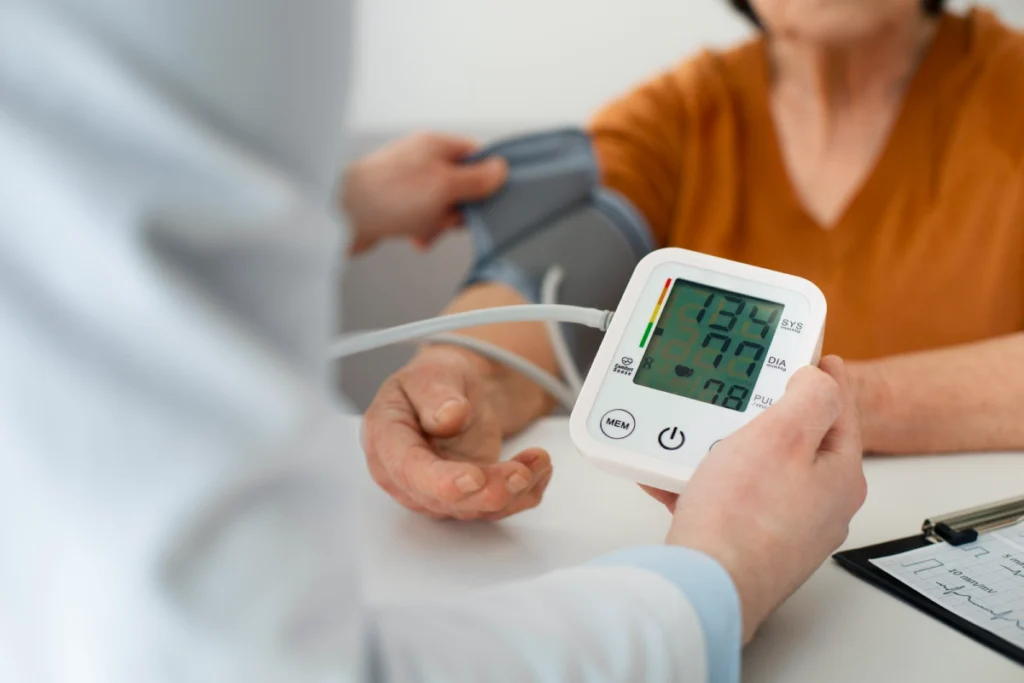
Are you looking to take control of your high blood pressure or hypertension without relying solely on medications? You’re not alone. In 2025, medical research continues to emphasize that lifestyle changes can significantly help prevent, manage, and even reverse elevated blood pressure, when practiced consistently and mindfully.
Rather than viewing high blood pressure or hypertension as a life sentence, think of them as signals from your body calling for balance and healthier daily habits. The good news? With the right lifestyle shifts, backed by scientific evidence, you can take meaningful control of your health.
Table of Contents
Understanding High Blood Pressure and Hypertension
High blood pressure, clinically termed hypertension, means the force of blood against the artery walls remains persistently elevated. Over time, this places excessive strain on the heart, kidneys, brain, and blood vessels, increasing risks of cardiovascular complications. Despite how serious it is, hypertension often shows no early symptoms, earning it the nickname the silent killer.
According to the 2025 AHA/ACC hypertension guidelines, preventing and managing high blood pressure through lifestyle habits such as heart-healthy eating, regular physical activity, weight management, stress control, and sleep are foundational strategies alongside medications when needed.
The global disease burden remains heavy, high blood pressure contributes to millions of deaths annually due to cardiovascular and kidney diseases, positioning it as a major modifiable health risk worldwide.
It’s also striking how hypertension increasingly affects younger populations: a global review published late in 2025 reported that rates of high blood pressure among children and adolescents nearly doubled over two decades, largely due to lifestyle shifts, obesity, and inactivity.
Why Addressing Lifestyle Matters
Before discussing specific lifestyle changes, it’s essential to recognize how behaviors influence high blood pressure. Research continues to show that lifestyle choices such as diet, movement, sleep quality, stress levels, and tobacco use significantly shape individual blood pressure outcomes, sometimes as powerfully as medications, especially in early or mild cases.
For instance, a 2025 large prospective cohort study found that individuals adopting a consistently healthy lifestyle, including balanced diet, physical activity, moderate drinking, non-smoking, and controlled weight had significantly lower blood pressure levels and reduced risk of developing hypertension compared to those with poor lifestyle habits.
With this evidence in mind, let’s explore five practical lifestyle changes that truly work.
1. Movement: Nature’s Cardiovascular Medicine

Physical activity is one of the strongest non-pharmacological tools for controlling high blood pressure.
Why It Matters
Exercise improves heart and blood vessel function, enhances circulation, reduces stress hormones, and helps maintain a healthy weight — all crucial for blood pressure control. Even modest increases in activity can make measurable improvements.
What the Evidence Says
A comprehensive 2025 analysis re-affirmed that aerobic activity, like brisk walking, cycling, or swimming, effectively lowers blood pressure. Modest reductions of 5-8 mm Hg systolic pressure can translate to a roughly 14% drop in stroke risk and a 9% reduction in coronary heart disease mortality.
Additionally, a groundbreaking 2025 trial focused on treatment-resistant hypertension, a subtype where blood pressure remains high despite medications showed that structured diet and exercise programs significantly lowered systolic pressures more than self-guided plans. This confirms that even when medications fall short, lifestyle changes have real impact.
Practical Tips
- Aim for 30 minutes of moderate activity most days of the week.
- Mix cardio with light strength training or flexibility routines.
- Choose activities you enjoy: walking, dancing, swimming, or cycling are great options.
2. Rethink Your Plate: Eat for Heart Health
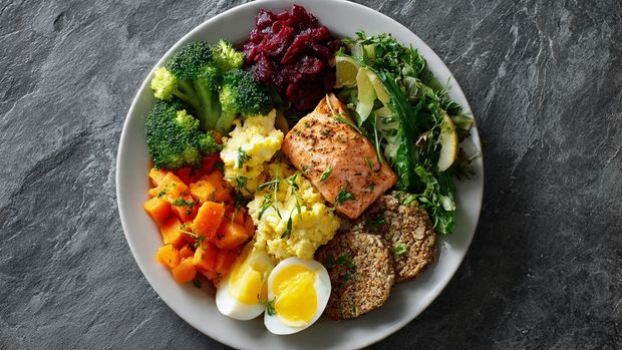
Food isn’t just fuel, it sends biological signals that can either worsen or improve high blood pressure.
Heart-Healthy Nutrition Principles
- Produce-forward meals: Vegetables, fruits, legumes, and whole grains.
- Potassium-rich foods: Bananas, spinach, beans, and sweet potatoes help balance sodium.
- Reduce sodium: Limit processed and packaged foods that hide high amounts of salt.
- Lean proteins and healthy fats: Fish, nuts, seeds, and olive oil support cardiovascular well-being.
What the Research Shows
Dietary approaches like the DASH diet (Dietary Approaches to Stop Hypertension) have repeatedly demonstrated blood pressure-lowering effects. In 2025, a major analysis highlighted that widespread adoption of the DASH pattern, along with physical activity and weight control, could prevent tens of thousands of cardiovascular events and save billions in health costs through improved blood pressure control alone.
How to Start
- Emphasize whole foods over processed items.
- Use herbs and citrus to flavor food instead of salt.
- Plan meals around vegetables and legumes.
- Snack on nuts, seeds, and fresh fruit.
3. Sleep: Your Ultimate Reset

Sleep is not a luxury, it’s a physiological necessity that directly influences blood pressure regulation.
The Sleep–Blood Pressure Connection
Poor sleep quality, insufficient hours, and irregular sleep patterns can disrupt hormonal balances that regulate blood pressure. Sleep deprivation has been linked repeatedly to higher risks of developing hypertension.
Emerging Evidence
A 2025 observational study suggested that regular sleep disruptions and lifestyle habits such as high caffeine intake are associated with increased high blood pressure risk in adults. Sleep quality influences metabolic and stress pathways that affect vascular health.
Other preliminary research also points to consistent bedtimes lowering blood pressure — even modestly, just by stabilizing circadian rhythms.
Tips for Better Sleep
- Set a consistent bedtime/wake time routine.
- Reduce screen exposure 1 hour before bed.
- Keep your bedroom comfortable, dark, and quiet.
- Avoid heavy meals and excessive caffeine late in the day.
4. Quit Smoking: Reset Vascular Health
Smoking is a powerful contributor to vascular inflammation and cardiovascular disease, including high blood pressure.
What Happens When You Smoke
Tobacco use increases heart rate, stiffens arteries, and damages blood vessel lining all of which elevate blood pressure acutely and chronically.
Why Quitting Matters
While cessation itself doesn’t instantly normalize blood pressure, it dramatically reduces the long-term damage to arteries and heart health. Many clinical models, including current research into smoking-related disease risk prediction, highlight blood pressure as a critical marker influenced by tobacco use.
How to Move Forward
- Seek support programs or cessation counseling.
- Replace cigarettes with healthier habits (e.g., walking, meditation).
- Discuss nicotine replacement therapy or prescription support with your clinician if needed.
5. Manage Stress with Awareness

Stress influences high blood pressure by triggering repeated spikes in blood pressure and activating the sympathetic nervous system.
Long-Term Stress Effects
Chronic stress can keep blood pressure elevated, influence eating and sleeping habits, and undermine heart health. Stress reduction isn’t about eliminating pressure, it’s about training how you respond.
Evidence and Mindfulness
While stress isn’t always directly causal for hypertension, research consistently highlights that stress management practices can improve blood pressure outcomes when paired with other lifestyle changes. Holistic strategies like meditation, deep breathing, and time in nature support better nervous system regulation.
Practical Stress Tools
- 10 minutes of daily deep breathing or meditation.
- Journaling or gratitude practices.
- Walks in nature or mindful movement.
Debunking the Salt Myth: Quality and Context Matter
There’s confusion about salt and blood pressure. While salt is not inherently evil, excess refined sodium, particularly from processed foods does elevate blood pressure, a conclusion supported by decades of research.
Choosing natural salts like Himalayan or sea salt doesn’t negate the need for moderation. The greatest impact comes from reducing processed salt and balancing sodium with potassium-rich whole foods.
The 2025 AHA/ACC guidelines still emphasize reduced sodium intake as part of a heart-healthy lifestyle in managing high blood pressure risk.
Check out Pink Tiger Verified Salt
Nutrition for High Blood Pressure and Hypertension: Eating to Heal, Not Restrict
Nutrition plays a foundational role in managing high blood pressure and preventing the progression of hypertension. What you eat daily influences blood vessel flexibility, sodium–potassium balance, inflammation levels, insulin sensitivity, and even how your nervous system responds to stress. In 2025, nutrition research continues to reinforce that long-term dietary patterns matter far more than short-term food rules.
1. Prioritise Potassium to Balance Blood Pressure
Potassium is one of the most protective nutrients for high blood pressure. It helps relax blood vessel walls and supports the kidneys in excreting excess sodium, a key mechanism in blood pressure regulation.
A 2025 meta-analysis found that higher dietary potassium intake was consistently associated with lower systolic and diastolic blood pressure, particularly in individuals with existing hypertension. The effect was strongest when potassium came from whole foods rather than supplements.
Best food sources include:
- Bananas, oranges, coconut water
- Spinach, beetroot, pumpkin
- Lentils, chickpeas, kidney beans
- Sweet potatoes and avocados
Rather than aggressively cutting salt alone, improving the potassium-to-sodium ratio has shown better outcomes for long-term blood pressure control.
2. Focus on Whole, Minimally Processed Foods
Highly processed foods are one of the biggest dietary drivers of hypertension. They often contain excess sodium, refined carbohydrates, unhealthy fats, and additives that promote inflammation and fluid retention.
Recent population-based research published in 2025 linked ultra-processed food intake with higher rates of high blood pressure, even after adjusting for body weight and physical activity.
A heart-supportive plate should emphasise:
- Seasonal vegetables and fruits
- Whole grains like millets, brown rice, oats, and quinoa
- Nuts, seeds, and legumes
- Fermented foods such as curd or homemade pickles (in moderation)
These foods provide fibre, antioxidants, and minerals that support vascular health and metabolic balance.
3. Choose the Right Fats for Vascular Health
Not all fats affect high blood pressure the same way. Diets high in trans fats and excessive omega-6 fats can worsen inflammation and arterial stiffness, while healthier fats improve endothelial function.
A 2025 clinical review highlighted that replacing refined vegetable oils with monounsaturated and omega-3-rich fats led to modest but meaningful reductions in blood pressure among people with hypertension.
Better fat choices include:
- Cold-pressed mustard oil, olive oil, or groundnut oil
- Nuts like walnuts and almonds
- Seeds such as flaxseed, chia, and pumpkin seeds
- Fatty fish (if consumed) like sardines or mackerel
These fats support nitric oxide production, helping blood vessels relax naturally.
4. Reduce Added Sugars and Refined Carbohydrates
Sugar doesn’t directly raise blood pressure the way sodium does, but excessive intake worsens insulin resistance, weight gain, and inflammation all contributors to hypertension.
A 2025 observational study found that diets high in added sugars were associated with higher systolic blood pressure, especially when combined with low fibre intake.
To support stable blood pressure:
- Limit sugary beverages and desserts
- Replace refined flour with whole grains
- Pair carbohydrates with protein and fibre to slow glucose spikes
Balanced blood sugar regulation indirectly supports healthier blood pressure patterns.
5. Mindful Sodium Use: Quality and Quantity Both Matter
Sodium remains a critical nutrient in managing high blood pressure, but context matters. Excess sodium from packaged foods not home-cooked meals accounts for most dietary overload.
Current 2025 hypertension guidelines continue to recommend sodium moderation, particularly for individuals with salt sensitivity or existing cardiovascular risk.
Practical strategies include:
- Cooking at home using measured amounts of salt
- Avoiding hidden sodium sources like sauces, instant foods, and bakery items
- Using herbs, spices, garlic, ginger, lemon, and vinegar to enhance flavour
Natural salts are not a license for overuse, moderation remains key.
6. Hydration and Blood Pressure Regulation
Mild dehydration can lead to blood vessel constriction, temporarily raising blood pressure. Adequate hydration supports blood volume balance and kidney function, both crucial for managing hypertension.
Water, herbal teas, and unsweetened infusions are ideal. Sugary drinks and excessive caffeine can counteract these benefits when consumed in excess.
Nutrition Takeaway
Nutrition for high blood pressure is not about restriction, it’s about nourishment, balance, and consistency. When meals are built around whole foods, adequate potassium, healthy fats, fibre, and mindful sodium intake, the body naturally shifts toward better blood pressure control.
Even small dietary upgrades, adding one extra vegetable daily or reducing processed foods — can create measurable improvements over time.
Small Steps, Big Impact
If this feels like a lot, remember this: you don’t need to do everything at once. Each lifestyle shift nudges your body toward balance and resilience. Integrating even one habit like walking more or eating more vegetables initiates a cascade of health benefits.
A large longitudinal study showed that participants who transitioned from unhealthy to healthy lifestyles experienced meaningful reductions in both systolic and diastolic blood pressure as well as lower odds of hypertension over time.
When Lifestyle Change Isn’t Enough
Lifestyle modification is powerful, but it’s not the only tool. For some individuals, therapy with medications remains necessary and even lifesaving. The 2025 clinical guidelines clearly emphasize combining lifestyle tactics with medical care when required, especially for people with more advanced hypertension or cardiovascular risk.
Resistant hypertension where blood pressure stays high despite multiple medications also responds to disciplined lifestyle programs, showing significant improvements in recent clinical trials.
Takeaway: You Have Agency
Hypertension and high blood pressure don’t have to define your life. They are signals that your body needs support, clarity, and balance. When you start implementing even one evidence-based change whether it’s improving sleep, eating better, moving more, or managing stress, you’re taking control of your cardiovascular health.
Frequently Asked Questions (FAQs)
1. Can lifestyle changes really control high BP?
Yes. Regular movement, balanced nutrition, stress management, good sleep, and quitting smoking can significantly lower high BP and support long-term hypertension control.
2. Which foods help reduce hypertension naturally?
Potassium-rich foods, whole grains, fruits, vegetables, nuts, seeds, and minimally processed foods support healthy blood pressure levels.
3. Is salt completely bad for people with high BP?
No. Excess refined salt is harmful, but moderate use of natural salt along with a potassium-rich diet can help manage hypertension.
4. How much exercise is needed to manage hypertension?
About 30 minutes of moderate activity like walking or yoga on most days helps regulate high blood pressure effectively.
5. Can stress alone cause high BP?
Chronic stress may not be the sole cause, but it can worsen hypertension by keeping blood pressure elevated over time.
Disclaimer: Always consult your healthcare provider before making major changes to your diet, exercise, medications, or lifestyle, especially if you have existing medical conditions or are on prescription treatment.
References:
1. New high blood pressure guideline emphasizes prevention, early treatment to reduce CVD risk – American College of Cardiology. (2025, August 13). American College of Cardiology. https://www.acc.org/About-ACC/Press-Releases/2025/08/13/20/03/New-high-blood-pressure-guideline-emphasizes-prevention-early-treatment-to-reduce-CVD-risk
2. Alanazi, Z. a. R. a. H. a. a. J. (n.d.). A systematic review of adherence to lifestyle modifications by hypertensive patients. https://www.emro.who.int/emhj-volume-31-2025/volume-31-issue-9/a-systematic-review-of-adherence-to-lifestyle-modifications-by-hypertensive-patients.html
3. Gregory, A. (2025, November 13). High blood pressure rates in children nearly doubled in 20 years, global review finds. The Guardian. https://www.theguardian.com/society/2025/nov/12/young-people-high-blood-pressure-doubled-globally-obesity
4. Ren, T., Yuchi, Y., Liao, W., Kang, N., Li, R., & Wang, C. (2025). Healthy lifestyle and its change attenuated the risk of hypertension among rural population: evidence from a prospective cohort study. Frontiers in public health, 13, 1529570. https://doi.org/10.3389/fpubh.2025.1529570
5. Healthy changes in diet, activity improved treatment-resistant high blood pressure. (n.d.). American Heart Association. https://newsroom.heart.org/news/healthy-changes-in-diet-activity-improved-treatment-resistant-high-blood-pressure
6. Sreemol, T. C. (2025, July 7). Lack of sleep, caffeine consumption increase risk of high blood pressure among Kochi adults. The Times of India. https://timesofindia.indiatimes.com/city/kochi/lack-of-sleep-caffeine-consumption-increase-risk-of-high-blood-pressure-among-kochi-adults/articleshow/122301759.cms
7. Diet change may make biggest impact on reducing heart risk in people with hypertension. (n.d.). American Heart Association. https://newsroom.heart.org/news/diet-change-may-make-biggest-impact-on-reducing-heart-risk-in-people-with-hypertension