Hidden Trans Fats: 5 Reasons They’re Pantry’s Silent Killer

Packaged foods promise convenience, longer shelf life, and irresistible taste—but they often come with a hidden cost. Trans fat, a chemically altered fat designed to improve texture and durability, quietly makes its way into everyday snacks, bakery items, and cooking fats. Invisible on most labels yet powerful in its impact, trans fat disrupts heart health, metabolism, and even brain function. Understanding where it hides and how it harms the body is the first step toward protecting your long-term health.
Table of Contents
Introduction
In the modern hustle of everyday life, packaged foods often feel like a convenient blessing. Busy schedules, long commutes, and easy access to ready-to-eat meals make ultra-processed foods a regular part of our diet. But behind the colorful labels, catchy taglines, and health-washing claims lies a silent threat to long-term health: trans fat.
Trans fats are among the most harmful dietary fats ever created. They are cheap, shelf-stable, and technologically useful for food manufacturers, yet devastating for human health. What makes them especially dangerous is their invisibility. Many people consume trans fat daily without realizing it, assuming that “0 g trans fat” labels mean complete safety.
Let’s take a deep, evidence-backed look at what trans fat really is, why it’s dangerous, how it hides in your pantry, and what science says about protecting yourself.
What Are Trans Fats?
Trans fats are unsaturated fats that have been chemically altered through a process called hydrogenation, in which hydrogen molecules are added to liquid vegetable oils to convert them into solid or semi-solid fats at room temperature. This transformation improves the oil’s stability, enhances texture, and significantly extends shelf life by slowing oxidation and preventing rancidity. For food manufacturers, hydrogenation offers major advantages, it makes products creamier, improves mouthfeel, withstands repeated heating, and reduces production costs. However, this industrial modification changes the natural structure of fats in a way the human body cannot process safely, turning an originally neutral oil into a metabolically harmful fat with serious long-term health consequences.
There are two main types of trans fats:
1. Naturally Occurring Trans Fats
Naturally occurring trans fats are found in very small amounts in animal products such as milk, butter, cheese, and meat from ruminant animals (cows, goats, sheep). These include compounds like conjugated linoleic acid (CLA).
Current evidence suggests that naturally occurring trans fats, when consumed in small amounts as part of whole foods, are far less harmful than industrial trans fats. However, excessive intake may still raise LDL cholesterol and should not be consumed indiscriminately.
2. Artificial (Industrial) Trans Fats
Artificial trans fats are created during industrial hydrogenation and are the primary health concern. These fats are commonly found in:
- Packaged snacks
- Bakery items
- Fried fast foods
- Margarine and vanaspati
- Ready-to-eat meals
Research consistently shows that industrial trans fat has no safe level of consumption and is strongly associated with cardiovascular disease, inflammation, insulin resistance, and premature mortality.
What is Hydrogenation?
Hydrogenation transforms liquid vegetable oils into fats that are more solid, heat-stable, and resistant to oxidation, making them appealing for commercial cooking and long shelf-life packaged foods. While this improves shelf life and cooking performance, it comes at a significant biological cost. The hydrogenation process alters the natural structure of fatty acids, creating trans fat isomers that the human body does not recognize or metabolize efficiently.
Once consumed, hydrogenated fats interfere with normal lipid metabolism. They raise low-density lipoprotein (LDL) cholesterol—the type that accumulates in arterial walls—while simultaneously lowering high-density lipoprotein (HDL) cholesterol, which helps remove excess cholesterol from the bloodstream. This dual effect accelerates plaque formation and significantly increases the risk of cardiovascular disease.
Beyond cholesterol imbalance, trans fats promote chronic, low-grade systemic inflammation. Inflammation plays a central role in the development of heart disease, insulin resistance, and metabolic disorders. Trans fats impair insulin signaling at the cellular level, making it harder for glucose to enter cells efficiently, which increases the risk of type 2 diabetes and contributes to weight gain and obesity.
Hydrogenated fats:
- Raise LDL (bad cholesterol)
- Lower HDL (good cholesterol)
- Increase systemic inflammation
- Impair insulin sensitivity
- Increase the risk of heart disease, diabetes, and obesity
Partial hydrogenation is particularly harmful because it produces high concentrations of industrial trans fat isomers. These altered fats integrate into cell membranes, disrupting normal cellular communication, enzyme activity, and hormone signaling. Over time, this leads to metabolic dysfunction, increased oxidative stress, and a markedly higher risk of heart disease, diabetes, and other chronic lifestyle conditions—even when consumed in relatively small amounts.
The Science Behind Hydrogenation
At a molecular level, hydrogenation alters the very geometry of fatty acids. Naturally occurring cis-unsaturated fatty acids have a bent structure that keeps cell membranes flexible and functional. During hydrogenation, this bend is flipped into a trans configuration, creating a straighter, more rigid molecule. While this structural change may appear subtle on paper, it fundamentally changes how fats behave inside the human body.
Because of their straight shape, trans fat molecules pack tightly into cell membranes, making them stiffer and less fluid. Healthy cell membranes need flexibility to allow nutrients to enter, waste to exit, and signals to pass efficiently between cells. When trans fats replace natural fats in these membranes, several critical processes are disrupted:
- Cell membrane fluidity decreases, impairing nutrient transport and cellular communication
- Hormone receptors embedded in membranes become less responsive, interfering with insulin, thyroid, and stress hormone signaling
- Enzyme activity is altered, reducing the efficiency of metabolic reactions
- Normal lipid metabolism is disturbed, leading to abnormal cholesterol transport and fat storage
Research shows that trans fats can become physically incorporated into cell membranes and lipoproteins, where they distort signaling pathways and trigger inflammatory responses. This persistent, low-grade inflammation damages blood vessels, interferes with insulin action, and accelerates tissue aging. Over time, these molecular disruptions create the biological foundation for heart disease, diabetes, obesity, and other lifestyle-related disorders, explaining why trans fats are uniquely harmful compared to other dietary fats.
How Trans Fat Hides on Food Labels
Despite growing awareness, trans fats often hide in plain sight. While many products now display “0 grams trans fat” on their labels, this can be misleading. According to regulatory loopholes, products with less than 0.5 grams of trans fat per serving can claim to be trans fat-free.
Hidden Terms to Watch Out For
To truly avoid trans fat, always read the ingredient list carefully. Be cautious of:
- Partially hydrogenated oils
- Hydrogenated vegetable oil
- Vanaspati
- Vegetable shortening
- Bakery fat
- Margarine (especially stick margarine)
If you see partially hydrogenated oil, the product contains trans fat—regardless of what the nutrition label claims.
Serving Size Matters
A product with 0.3 g trans fat per serving may legally claim zero. Eating 3–4 servings can quietly exceed recommended limits, increasing cumulative health risk.
Learn more terms that you should look for our Instagram reel. Click here.
Serving Size Matters
Be cautious of portion sizes. A product labeled as having 0 grams of trans fat might still contain trace amounts. Consuming multiple servings can quickly add up, posing a significant health risk.
Health Risks of Trans Fat
The dangers of trans fat extend far beyond weight gain. Extensive research links trans fat intake to multiple chronic and degenerative diseases.
1. Cardiovascular Diseases
Trans fat is uniquely harmful to heart health because it simultaneously:
- Raises LDL cholesterol
- Lowers HDL cholesterol
- Increases triglycerides
- Promotes arterial inflammation
This combination accelerates atherosclerosis, narrowing arteries and increasing the risk of heart attack and stroke. Studies estimate that trans fat intake significantly increases cardiovascular mortality even at low levels.
If plaque formed by trans fat ruptures, it can trigger blood clots that block blood flow to the heart or brain, leading to fatal outcomes.
2. Metabolic Disorders
Regular consumption of trans fat contributes to:
- Insulin resistance
- Type 2 diabetes
- Metabolic syndrome
According to food safety authorities, trans fat worsens blood sugar control and increases abdominal fat accumulation, key drivers of metabolic disease
3. Brain Health and Cognitive Decline
Emerging research highlights the detrimental effects of trans fats on brain health. By distorting cell membranes and altering neuronal communication, trans fats:
- Increase the risk of Alzheimer’s disease and cognitive decline.
- Diminish mental performance.
- Elevate the risk of depression.
Studies also suggest that trans fats from the diet can integrate into brain cell membranes, impairing their function and contributing to neurodegenerative conditions.
4. Compromised Fetal Development
Trans fat can cross the placenta, affecting fetal growth and development. Studies associate high maternal trans fat intake with:
- Low birth weight
- Shortened gestation period
- Higher risk of preeclampsia
- Neurodevelopmental issues in infants
Pregnant individuals should be especially vigilant about avoiding industrial trans fat.
5. Other Risks
Research shows that trans fatty acids affect far more than heart health, influencing multiple body systems through chronic inflammation, hormonal disruption, and altered cell function.
Breast and colon cancer:
Trans fats increase oxidative stress and inflammation, both of which promote abnormal cell growth. They interfere with normal cell signaling and apoptosis, creating conditions that may support the development and progression of certain cancers, including breast and colorectal cancer.
Obesity:
Trans fats disrupt insulin and leptin signaling, impairing appetite control and fat metabolism. This promotes increased fat storage—especially visceral fat—even without excessive calorie intake, making trans fats uniquely obesogenic.
Infertility:
By altering hormone balance and increasing oxidative stress, trans fats negatively affect reproductive health. Higher intake has been linked to ovulatory infertility in women and reduced sperm quality in men.
Immune dysfunction and allergies:
Trans fats stiffen immune cell membranes and disturb inflammatory pathways, weakening immune responses. This immune imbalance may increase susceptibility to infections and raise the risk of allergic conditions such as asthma and eczema.
Vision and nervous system disorders in infants:
Trans fats can cross the placenta and appear in breast milk, competing with essential fatty acids needed for brain and eye development. This may impair neural and visual development in infants, leading to long-term neurological consequences.
These findings highlight that trans fats are a system-wide health risk, reinforcing the need to eliminate industrial trans fats from the diet entirely.
There is strong evidence that trans fat contributes to chronic inflammation, the underlying mechanism behind most non-communicable diseases.
Tips to Avoid Trans Fat Completely
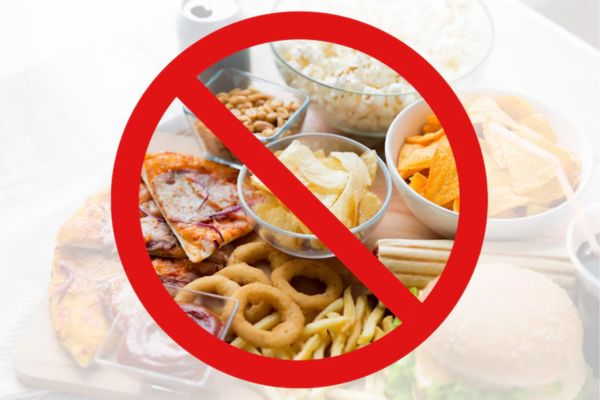
Pic Credits: Freepik; Say no to Trans Fats
Eliminating trans fats from your diet requires a combination of vigilance and proactive choices. Here are actionable steps:
1. Choose Healthier Fats
Replace hydrogenated fats with:
- Cold-pressed olive oil
- Coconut oil
- Groundnut oil
- Traditional A2 ghee
These fats are more stable and do not form trans fats during processing.
2. Read Beyond Marketing Claims
Ignore front-label buzzwords like heart-healthy or cholesterol-free. Always check the ingredient list for hidden hydrogenated oils.
3. Prioritize Whole Foods
Whole foods such as fruits, vegetables, nuts, seeds, legumes, and minimally processed grains are naturally free of trans fat and rich in protective nutrients.
4. Limit Outside Fried and Fast Foods
Many restaurants reuse oils or use partially hydrogenated fats. Opt for grilled, steamed, or home-cooked options whenever possible.
5. DIY Your Snacks
Homemade snacks allow full control over ingredients. Simple swaps like roasting nuts at home or baking with cold-pressed oils, can dramatically reduce trans fat intake.
Check out Pink Tiger Verified Ghee/Cooking Oil

The Final Thoughts
Trans fat may be invisible, but its damage is profound and long-lasting. From disrupting cholesterol balance to impairing brain health and increasing chronic disease risk, the evidence against trans fat is overwhelming.
The good news? Trans fat exposure is entirely preventable. By reading labels carefully, choosing whole foods, and opting for traditional, minimally processed fats, you can protect your heart, brain, and metabolic health.
Every step away from trans fat is a step toward longevity, vitality, and disease prevention.
Frequently Asked Questions (FAQs)
1. What exactly is trans fat, and how is it formed?
Trans fat is a type of unsaturated fat that is mainly produced through an industrial process called partial hydrogenation, in which hydrogen is added to liquid vegetable oils to make them solid or semi-solid. This process improves shelf life, texture, and heat stability, which is why trans fats are widely used in packaged foods, bakery products, and fried items. During hydrogenation, the natural cis structure of fatty acids is converted into a trans structure, creating a fat that the human body is poorly equipped to process, making it particularly harmful.
2. Why is trans fat more dangerous than other dietary fats?
Unlike saturated or unsaturated fats, trans fat has a dual negative effect on cholesterol, it raises LDL (bad cholesterol) while simultaneously lowering HDL (good cholesterol). This imbalance accelerates plaque formation in arteries and increases systemic inflammation. Trans fat also interferes with insulin signaling and fat metabolism, which explains its strong link to heart disease, type 2 diabetes, and metabolic syndrome. No other dietary fat has shown such consistently harmful effects across multiple body systems.
3. Are naturally occurring trans fats safer than industrial trans fats?
Naturally occurring trans fats, found in small amounts in dairy and meat from ruminant animals, appear to be less harmful when consumed in moderation as part of whole foods. However, industrial trans fats, created during hydrogenation, are far more concentrated and biologically disruptive. Most health authorities agree that while natural trans fats may be tolerated in limited amounts, artificial trans fats should be completely eliminated from the diet.
4. How does trans fat affect cells at a molecular level?
Trans fat molecules have a straight, rigid structure that allows them to integrate tightly into cell membranes. This reduces membrane flexibility, disrupting nutrient transport, hormone receptor function, and enzyme activity. Over time, these changes interfere with normal cell signaling and promote chronic inflammation. This molecular disruption explains why trans fat contributes not only to heart disease but also to metabolic disorders, cognitive decline, and accelerated cellular aging.
5. What is the connection between trans fat and brain health?
Trans fats can cross the blood–brain barrier and become incorporated into neuronal cell membranes. This alters neurotransmitter signaling and increases oxidative stress in the brain. Studies have linked higher trans fat intake to poorer memory, reduced cognitive performance, higher rates of depression, and an increased risk of neurodegenerative diseases such as Alzheimer’s. The inflammatory effects of trans fat further amplify long-term damage to brain tissue.
Disclaimer: This content is for informational purposes only and is not a substitute for professional medical advice, diagnosis, or treatment. Always consult your healthcare provider before trying any new food items, supplements, or products, especially if you have an existing medical condition or allergies.
Reference:
Ginter, E., & Simko, V. (2016). New data on harmful effects of trans-fatty acids. Bratislava Medical Journal, 117(5), 251–253
Dhaka, V., Gulia, N., Ahlawat, K. S., & Khatkar, B. S. (2011). Trans fats—Sources, health risks, and alternative approach: A review. Journal of Food Science and Technology, 48(5), 534–541.