Early Aging: Looking Older Than You Are? 5 Simple Steps to Prevent

Aging is inevitable, but aging early doesn’t have to be.
Over the last five decades, India has witnessed a dramatic demographic shift. According to the Government of India (2011), the population of elderly citizens aged 60 years and above has nearly tripled. What’s more concerning is that this trend is accelerating. Projections suggest that the proportion of Indians aged 60 and older will rise from 7.5% in 2010 to 11.1% by 2025, as cited by the National Institutes of Health (NIH).
While longevity is a positive marker of medical and societal progress, another quieter trend is unfolding in parallel, early aging among younger adults. People in their late 20s and 30s increasingly report fatigue, dull skin, premature wrinkles, hair thinning, and metabolic concerns traditionally associated with much later decades of life.
This shift isn’t coincidental. Modern lifestyles, environmental stressors, dietary patterns, and chronic stress are collectively pushing our biological clocks forward. The good news? Early aging is largely preventable when addressed early and holistically.
Let’s understand what early aging really means, why it’s rising, and most importantly, what you can do to slow it down naturally.
Table of Contents
What Is Early Aging?
Early aging, also known as premature aging, refers to the appearance of physical, metabolic, or cellular signs of aging earlier than expected for one’s chronological age. In simple terms, it’s when your body begins to function, feel, or look older than it should, often showing changes that are typically associated with later decades of life.
While aging itself is a natural biological process driven by gradual cellular wear and tear, early aging speeds this process up. Chronic stress, poor nutrition, sleep deprivation, environmental toxins, and lifestyle habits place constant strain on the body, overwhelming its natural repair and regeneration systems. Over time, this imbalance leads to faster collagen breakdown, increased inflammation, hormonal disruptions, and reduced cellular resilience, causing aging signs to appear sooner than they naturally would.
Common Signs of Early Aging
Early aging doesn’t show up overnight. It develops subtly and progressively, often ignored until it becomes difficult to reverse.
1. Skin Changes: Skin is usually the first place where early aging becomes visible:
- Fine lines and premature wrinkles
- Dryness and rough texture
- Loss of elasticity and firmness
- Hyperpigmentation, especially around the chest and neck
- Uneven skin tone and dullness
- Sagging skin due to collagen breakdown
2. Hair Concerns
- Premature greying
- Hair thinning or increased hair fall
- Reduced hair density and strength
3. Facial Features
- Gaunt or tired appearance
- Sunken cheeks
- Loss of facial volume due to fat and collagen depletion
4. Internal Signs You Can’t See: Beyond appearance, early aging often affects internal health:
- Chronic fatigue
- Poor recovery after illness
- Hormonal imbalances
- Reduced immunity
- Early metabolic issues such as insulin resistance
These changes are rarely caused by genetics alone. In fact, research suggests that lifestyle and environmental factors account for a significant portion of premature aging, making it both preventable and manageable.
Why Is Early Aging on the Rise?
Early aging has become increasingly common, particularly in urban populations. Here’s why modern life is pushing our bodies into fast-forward mode.
1. Chronic Stress and Cortisol Overload
Long-term psychological stress is one of the strongest drivers of early aging. When stress becomes chronic, the body releases sustained levels of cortisol, the stress hormone.
Elevated cortisol:
- Increases systemic inflammation
- Accelerates collagen and muscle breakdown
- Impairs skin repair and wound healing
- Disrupts sleep and hormonal balance
Over time, this constant “fight-or-flight” state leads to faster cellular damage and visible aging.
2. Screen Time, Blue Light, and Sleep Deprivation
Late-night scrolling, binge-watching, and prolonged screen exposure disrupt circadian rhythms. Blue light suppresses melatonin production, the hormone responsible for sleep and cellular repair.
Poor sleep affects aging by:
- Reducing overnight skin regeneration
- Increasing oxidative stress
- Weakening immune function
- Worsening dark circles, puffiness, and dull skin
Sleep is when your body repairs DNA damage. Skipping it regularly accelerates biological aging.
3. Poor Dietary Choices and Glycation
Modern diets high in refined carbohydrates, sugary beverages, ultra-processed foods, and unhealthy fats fuel glycation, a process where sugar molecules bind to proteins like collagen.
Glycation leads to:
- Stiff, brittle collagen fibers
- Wrinkles and sagging skin
- Increased inflammation
- Faster cellular aging
This is one reason why diets high in sugar are strongly linked to premature aging and chronic disease.
4. Pollution and Environmental Toxins
Urban air pollution, heavy metals, pesticides, and chemical exposure significantly increase oxidative stress, an imbalance between free radicals and antioxidants.
Oxidative stress:
- Damages skin cells and DNA
- Breaks down collagen and elastin
- Accelerates aging of internal organs
Even with good skincare, continuous toxin exposure can age the body from within.
5. Sedentary Lifestyle and Reduced Muscle Mass
Physical inactivity slows metabolism and circulation. Over time, this leads to:
- Loss of muscle mass (sarcopenia)
- Reduced insulin sensitivity
- Poor lymphatic drainage
- Reduced oxygen delivery to tissues
Movement is a powerful anti-aging tool. Without it, aging accelerates silently.
5 Effective Tips to Combat Early Aging
The most effective anti-aging strategies aren’t expensive creams or quick fixes—they’re consistent lifestyle habits.
1. Quit Smoking
Smoking is one of the fastest ways to age your skin and organs. It:
- Destroys collagen and elastin
- Reduces blood flow to the skin
- Increases wrinkles, dullness, and sagging
Quitting smoking improves circulation and skin health within weeks. If needed, seek professional support, it’s one of the most impactful anti-aging decisions you can make.
2. Focus on a Nutrient-Dense Diet
Food is information for your cells. A nutrient-poor diet accelerates aging, while a nutrient-rich one slows it.
Prioritize:
- Fresh fruits and vegetables
- Whole grains and legumes
- Healthy fats
- Adequate protein
Limit:
- Refined sugars
- Processed snacks
- Deep-fried foods
Reducing glycation and inflammation through diet alone can significantly slow visible aging.
3. Reduce Alcohol Consumption
Alcohol dehydrates the skin, disrupts sleep, and burdens the liver—your main detox organ.
Chronic alcohol intake:
- Increases inflammation
- Worsens nutrient absorption
- Accelerates skin aging
Reducing alcohol intake often leads to noticeable improvements in skin clarity, energy, and sleep quality.
4. Maintain a Balanced Lifestyle
Movement and rest are equally important.
- Engage in regular physical activity: walking, strength training, yoga
- Aim for 7–8 hours of quality sleep
- Establish a consistent sleep-wake cycle
Exercise improves circulation, supports hormone balance, and enhances cellular repair; key pillars of healthy aging.
5. Adopt Anti-Inflammatory Practices
Inflammation is the root cause of aging. Simple daily practices can help lower it:
- Meditation or mindfulness
- Deep breathing
- Yoga or stretching
- Spending time in nature
These practices reduce cortisol levels and protect your cells from long-term damage.
5 Foods to Help Prevent Early Aging
What you eat daily plays a decisive role in how fast or slow; you age.
1. Extra Virgin Olive Oil: The Elixir for Youthful Skin
Extra virgin olive oil is a powerful source of heart-healthy monounsaturated fats and bioactive polyphenols that help reduce chronic inflammation and neutralize oxidative stress. These compounds protect cells from free-radical damage, support healthy blood vessels, and contribute to improved metabolic and cardiovascular health. Regular use of extra virgin olive oil has also been linked to better lipid profiles and long-term protection against age-related and lifestyle-driven diseases.
Benefits include:
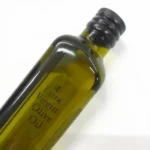
- Preserving skin elasticity
- Protecting collagen fibers
- Supporting heart and metabolic health
Studies show olive oil polyphenols modulate cellular pathways linked to aging and inflammation.
2. Green Tea: The Antioxidant Powerhouse
Green tea is rich in powerful polyphenols, especially epigallocatechin gallate (EGCG), which act as potent antioxidants in the body. These compounds help neutralize free radicals, reduce oxidative stress, and modulate inflammatory pathways, thereby supporting cellular health, metabolic balance, and cardiovascular function. EGCG is also known to enhance fat oxidation, improve insulin sensitivity, and contribute to long-term protection against premature aging and chronic lifestyle-related disorders.
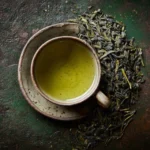
- Neutralize free radicals
- Protect against UV-induced skin damage
- Improve skin elasticity
- Support brain and metabolic health
Regular consumption supports graceful aging from the inside out.
3. Flaxseeds: Nature’s Hydration Boost
Flaxseeds are a powerful yet often overlooked hydration ally, thanks to their rich content of soluble fiber and mucilage; a gel-forming compound that helps retain water in the body. When soaked or consumed regularly, flaxseeds support better fluid balance, improve skin elasticity, and aid digestive hydration by keeping the gut lining moist and healthy. Their omega-3 fatty acids further strengthen the skin barrier, reducing moisture loss and promoting a naturally plump, well-hydrated appearance from within.
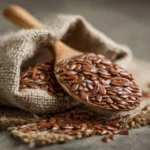
- Omega-3 fatty acids for skin hydration
- Lignans with antioxidant properties
- Fiber for gut health
Healthy digestion and hormone balance are foundational to youthful skin and energy.
4. Pomegranates: The Skin’s Best Friend
Pomegranates are rich in vitamin C and flavonoids that work synergistically to protect the body against oxidative stress by neutralizing free radicals. These compounds help strengthen immune function, support collagen production for healthier skin, and reduce inflammation at the cellular level, contributing to better heart health and overall vitality.

- Promote collagen synthesis
- Reduce pigmentation
- Protect against UV damage
They also support cardiovascular health, which is closely linked to longevity.
5. Tomatoes: A Lycopene-Rich Shield Against Aging
Tomatoes are rich in lycopene, a potent carotenoid antioxidant that plays a key role in protecting the body from oxidative stress. Lycopene helps neutralize free radicals, supports skin health by reducing UV-induced damage, promotes heart health by improving lipid profiles, and has been linked to a reduced risk of certain chronic diseases, including cardiovascular conditions and age-related cellular damage.
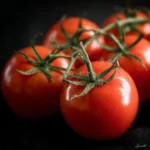
- Protect skin from sun damage
- Improve skin texture
- Reduce wrinkle formation
Lycopene also supports heart and cellular health, making it a cornerstone anti-aging nutrient.
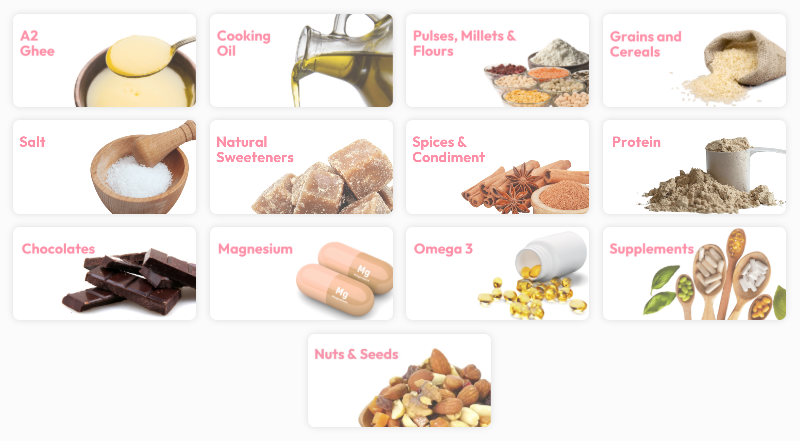
Pink Tiger: Choosing Clean, Verified Wellness Products
When it comes to slowing early aging, what you consume matters as much as how you live. Hidden additives, pesticides, and misleading labels can silently increase inflammation and oxidative stress—key drivers of premature aging.
The Pink Tiger verification, an initiative by You Care Lifestyle, helps consumers identify food and wellness products that are independently tested and verified for quality, safety, and label accuracy. Products carrying the Pink Tiger seal undergo third-party laboratory testing and random market sampling to ensure they meet strict clean-label standards.
By choosing Pink Tiger–verified products, you reduce unnecessary toxin exposure and support healthier aging from the inside out.
Explore the initiative here
Your Path to Tackling Early Aging
Early aging isn’t a flaw, it’s feedback from your body. Signs like fatigue, dull skin, hair fall, or feeling older than your age often signal that your body’s repair systems are under strain. These changes are early warnings, not failures, giving you the chance to address what’s missing before deeper imbalances develop.
By tackling root causes such as chronic stress, poor sleep, inflammatory diets, and inactivity, you can slow aging in a natural and sustainable way. Small, consistent shifts, better rest, cleaner nutrition, regular movement, and stress management; add up over time and support healthier aging.
Aging well isn’t about looking younger. It’s about feeling stronger, clearer, and more resilient, allowing you to move through life with energy and confidence at every stage.
Frequently Asked Questions (FAQs)
1. What causes early aging in young adults?
Early aging is primarily driven by lifestyle and environmental factors rather than genetics alone. Chronic stress, poor sleep, high sugar and processed food intake, excessive screen exposure, pollution, smoking, and alcohol consumption accelerate oxidative stress and inflammation in the body. These factors damage collagen, disrupt hormonal balance, impair cellular repair, and speed up glycation, a process that stiffens skin proteins. Over time, this results in premature wrinkles, dull skin, hair thinning, fatigue, and metabolic changes, making individuals look and feel older than their actual age.
2. Can early aging be reversed or slowed naturally?
While early aging cannot be completely reversed, it can be significantly slowed and partially improved through consistent lifestyle changes. Prioritising quality sleep, reducing stress, eating an anti-inflammatory, nutrient-dense diet, exercising regularly, and avoiding smoking and excess alcohol can help restore cellular balance. Antioxidant-rich foods and healthy fats support collagen integrity, while stress management lowers cortisol, a key aging hormone. Over time, these habits improve skin texture, energy levels, metabolic health, and overall vitality, allowing the body to age at a more natural pace.
3. How does diet influence premature aging?
Diet plays a central role in early aging by influencing inflammation, oxidative stress, and glycation. Diets high in refined sugars and processed foods promote the formation of advanced glycation end products (AGEs), which damage collagen and accelerate skin aging. In contrast, whole foods rich in antioxidants, omega-3 fatty acids, vitamins, and polyphenols help neutralise free radicals, support cellular repair, and maintain skin elasticity. A balanced diet also supports gut health and hormone regulation, both of which are critical for healthy aging from the inside out.
4. Does stress really make you age faster?
Yes, chronic stress is one of the strongest contributors to early aging. Persistent stress elevates cortisol levels, which increases inflammation, breaks down collagen, disrupts sleep, and impairs immune function. Over time, this hormonal imbalance accelerates skin aging, hair loss, fatigue, and metabolic issues. Stress also shortens telomeres, the protective ends of chromosomes, making cells age faster. Incorporating stress-reducing practices such as meditation, yoga, deep breathing, and adequate rest can significantly slow biological aging and improve overall resilience.
5. How can choosing clean, verified products support healthy aging?
Clean, verified food and wellness products help reduce exposure to hidden toxins, heavy metals, pesticides, and misleading additives that contribute to inflammation and oxidative stress, key drivers of early aging. Systems like the Pink Tiger verification by You Care Lifestyle ensure products are independently tested for safety, quality, and label accuracy. Choosing verified products supports better metabolic health, skin integrity, and hormonal balance over time. Minimising toxin load allows the body’s natural repair mechanisms to function efficiently, supporting healthier aging from a long-term perspective.
Disclaimer: This content is for informational purposes only and is not a substitute for professional medical advice, diagnosis, or treatment. Always consult your healthcare provider before trying any new food items, supplements, or products, especially if you have an existing medical condition or allergies.
References:
1. Abir, M. H., Mahamud, A. G. M. S. U., Tonny, S. H., Anu, M. S., Hossain, K. H. S., Protic, I. A., Khan, M. S. U., Baroi, A., Moni, A., & Uddin, M. J. (2023). Pharmacological potentials of lycopene against aging and aging-related disorders: A review. Food science & nutrition, 11(10), 5701–5735. https://doi.org/10.1002/fsn3.3523
2. Uribarri, J., Woodruff, S., Goodman, S., Cai, W., Chen, X., Pyzik, R., Yong, A., Striker, G. E., & Vlassara, H. (2010). Advanced glycation end products in foods and a practical guide to their reduction in the diet. Journal of the American Dietetic Association, 110(6), 911–16.e12. https://doi.org/10.1016/j.jada.2010.03.018
3. Puxvadee Chaikul, Tawanun Sripisut, Setinee Chanpirom, Naphatsorn Ditthawutthikul,
Anti-skin aging activities of green tea (Camelliasinensis (L) Kuntze) in B16F10 melanoma cells and human skin fibroblasts, European Journal of Integrative Medicine, Volume 40, 2020, 101212, ISSN 1876-3820, https://doi.org/10.1016/j.eujim.2020.101212.
4. Serreli, G., & Deiana, M. (2020). Extra Virgin Olive Oil Polyphenols: Modulation of Cellular Pathways Related to Oxidant Species and Inflammation in Aging. Cells, 9(2), 478. https://doi.org/10.3390/cells9020478