Beyond Calcium: Omega-3 Fatty Acids for Bone Health!

For decades, bone health advice has echoed a simple message: eat more calcium and get enough vitamin D. While both remain foundational nutrients for healthy bones, cutting-edge research in 2025 underlines a broader truth: calcium alone isn’t the whole story. Omega-3 fatty acids; EPA, DHA, and ALA, are emerging as vital partners to calcium, helping build, protect, and maintain stronger, more resilient bones throughout life.
In this guide, we’ll explore:
- What omega-3 fatty acids are
- How they affect bone structure
- The science showing the combined power of calcium and omega-3s
- Practical ways to include both in your diet
By the end, you’ll understand why considering both omega-3s and calcium together is one of the most effective nutritional strategies for lifelong bone health.
Table of Contents
A Quick Primer: What Are Omega-3 Fatty Acids?
Omega-3 fatty acids are a class of polyunsaturated fats that the human body cannot produce on its own, meaning we must obtain them from our diet. The most studied and beneficial omega-3s are:
EPA (eicosapentaenoic acid) and DHA (docosahexaenoic acid): Found mainly in fatty fish like salmon, mackerel, sardines, and certain algae.
ALA (alpha-linolenic acid): A plant-based omega-3 found in flaxseeds, chia seeds, and walnuts.
While they are best known for supporting heart and brain health, abundant evidence now links them to bone health too, especially when combined with calcium.
The Biology of Bone: Why Nutrition Matters
To appreciate how omega-3s and calcium work together, it helps to understand the basics of bone metabolism.
Bones are not static structures. They are continuously broken down and rebuilt throughout life through two cellular processes:
~ Osteoblast activity: Cells that build bone by laying down new mineral and protein matrix.
~ Osteoclast activity: Cells that resorb old or damaged bone.
Optimal bone health requires a balance between formation and resorption. If breakdown outpaces formation, as happens with aging or hormonal changes, bone density falls, increasing the risk of osteoporosis and fractures.
Ca plays a central role in bone mineralization, the process where minerals strengthen bone. Yet, Ca benefits depend on being absorbed and utilized effectively. This is where omega-3s enter the picture.
How Omega-3s Help Strengthen Bones?
1. Supporting Bone Mineral Density (BMD)
A 2025 cross-sectional study analyzed data from over 8,800 adults and found that higher omega-3 intake was associated with a significantly lower risk of osteoporosis and higher bone mineral density. Participants in the top quartile of dietary omega-3s showed lower odds of having osteoporosis than those in the lowest quartile.
This suggests that omega-3s may help preserve bone mass and structural integrity, especially when consumed regularly as part of a balanced diet.
2. Enhancing Calcium Absorption and Utilization
Omega-3 fatty acids may help improve Ca absorption in the gut, making more of this vital mineral available for bone formation. EPA and DHA have been shown to positively influence its transport mechanisms, helping the body make better use of this dietary nutrient.
This is a key way that omega-3s act as a potentiator nutrient, enhancing the effectiveness of it rather than replacing its role.
3. Reducing Inflammation That Can Weaken Bone
Chronic inflammation accelerates bone resorption by promoting osteoclast activity and inhibiting osteoblasts. Omega-3s are potent anti-inflammatory agents, they reduce cytokines like TNF-α and IL-6 that stimulate excessive bone breakdown.
In contrast, diets high in pro-inflammatory fats (like excessive omega-6s) can promote inflammation and increase fracture risk. Maintaining a favorable balance of omega-3 to omega-6 fatty acids supports healthier bone remodeling.
4. Favoring New Bone Growth
Omega-3s help stimulate osteoblast activity, encouraging the formation of new bone matrix. While more definitive clinical trials are underway, molecular and preclinical research supports this mechanism: omega-3s positively influence signaling pathways that help drive bone formation and improve bone quality.
Calcium Still Matters; But the Context Has Shifted
It’s important to remember: calcium is indispensable for bone health. More than 99% of the body’s Ca is stored in bones where it provides structural strength. If nutrition through diet is inadequate, the body will steal it from bone, weakening the skeleton over time.
However, many conventional approaches to bone health have treated it in isolation, a practice modern science doesn’t fully support on its own.
The Limits of Calcium Alone
While Ca, especially when paired with vitamin D; does help maintain bone density, research suggests:
Supplementation without addressing inflammation or nutrient interactions may have modest effects on fracture risk at best.
Its benefits are maximized when other nutrients (like vitamin D, vitamin K2, magnesium, and now omega-3s) support its absorption and incorporation into bone.
This evidence underscores a nutrient synergy model: complex biological systems like the skeleton depend on a network of interacting nutrients rather than single-nutrient fixes.
Omega-3 + Calcium: Why the Pair Works Better
The emerging picture from 2025 science is clear: Omega-3 fatty acids and calcium work synergistically.
Here’s how that synergy plays out:
1. Better Mineralization
Omega-3s enhance Ca absorption in the gut and improve its retention in bone tissue. This means you consume, whether from dairy, fortified foods, or supplements, does more to support bone strength.
2. Lower Bone Resorption
Through anti-inflammatory mechanisms, omega-3s slow excessive bone breakdown, preserving the structural integrity that calcium helps build.
3. Improved Bone Turnover Balance
Healthy bone isn’t about stalling all turnover, it’s about balanced remodeling. Omega-3s help tilt that balance toward formation by supporting osteoblasts and curbing overactive osteoclasts.
Together, calcium and omega-3s offer a two-pronged approach:
- Ca builds and reinforces bone mineral.
- Omega-3s ensure that Ca is absorbed efficiently and that bone turnover remains healthy.
This holistic model is supported by growing human research and reflects a broader shift in nutritional science toward integration and synergy.
Real-World Evidence: What the Studies Show
Let’s examine key human evidence shaping this new paradigm:
✔ 2025 NHANES Analysis: Omega-3 Intake Linked to Lower Osteoporosis Risk
The 2025 NHANES cross-sectional study found that higher dietary omega-3 intake was significantly associated with lower osteoporosis prevalence and higher bone mineral density. This association was especially strong in adults under 60, highlighting the importance of early and consistent nutrient intake for bone health.
✔ Omega-3s Enhance Bone Mineral Density Modestly
Meta-analyses of randomized controlled trials show that omega-3 supplementation can lead to small but consistent increases in bone mineral density, particularly in older adults and postmenopausal women, who are at greater risk for osteoporosis.
While individual effects are modest, combining omega-3s with calcium and other nutrients amplifies the benefit.
✔ Anti-Inflammatory Effects Reduce Bone Breakdown
Omega-3s reduce inflammatory markers that promote bone resorption, which is especially relevant for people with chronic inflammatory conditions or age-related bone loss.
How Much Omega-3 and Calcium Do You Need?
Calcium Guidelines
Most adults need around 1,000–1,200 mg of Ca per day, depending on age and sex. Dairy, leafy greens, fortified foods, and supplements can help meet this requirement, but absorption varies by source and individual needs.
Omega-3 Targets
There’s no single universal recommendation for bone health yet, but many experts suggest 500–1,000 mg per day of EPA + DHA as a reasonable target for overall health. Plant-based ALA also contributes and can be converted (at low rates) into EPA and DHA.
Importantly, balance matters. Diets with a better ratio of omega-3 to omega-6 fats, meaning more flaxseed, chia, walnuts, and fatty fish, less processed seed oils, support overall inflammatory health and bone metabolism.
Best Bone-Healthy Foods to Include Daily
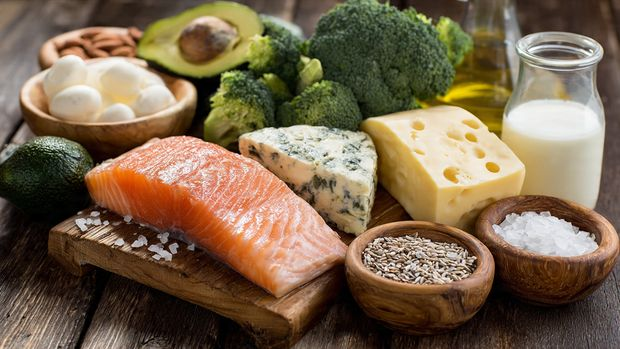
Here’s a practical list to help you integrate calcium and omega-3s naturally:
Omega-3 Rich Sources
- Fatty fish: salmon, sardines, mackerel
- Flaxseeds & chia seeds
- Walnuts
- Algal oil (vegan source of EPA/DHA)
Calcium-Rich Foods
- Dairy: yogurt, milk, cheese
- Leafy greens: kale, collard greens, bok choy
- Fortified plant milks and juices
- Tofu made with calcium sulfate
Synergistic Nutrients to Support Both
- Vitamin D: Improves Ca absorption
- Vitamin K2: Helps direct Ca into bones
- Magnesium: Required for bone structure and enzyme systems
A diet that emphasizes these nutrients together, rather than in isolation; offers the strongest foundation for lifelong skeletal health.
Supplementing Smartly: Tips and Considerations
Supplements can be helpful when dietary intake falls short, but quality and context matter.
Choose the Right Calcium Form
Not all calcium supplements are absorbed equally. The form of calcium plays a critical role in how efficiently your body can use it for bone health.
Calcium citrate is one of the most bioavailable forms. It does not require stomach acid for absorption, making it an excellent choice for older adults, individuals with low stomach acid, or those taking acid-reducing medications. It can also be taken with or without food, offering greater flexibility.
Calcium hydroxyapatite closely resembles the natural mineral structure found in human bones. It contains calcium bound with phosphorus and trace minerals, which may support better integration into bone tissue. Research suggests this form may help improve bone density while causing fewer gastrointestinal side effects compared to traditional calcium carbonate.
For optimal effectiveness, calcium should be paired with vitamin D, which enhances intestinal calcium absorption and helps maintain adequate blood calcium levels. Adding vitamin K2 further improves calcium utilization by guiding calcium into bones rather than soft tissues, reducing the risk of arterial calcification while supporting skeletal strength.
Select High-Quality Omega-3 Supplements
When choosing an omega-3 supplement for bone health, quality and composition matter more than quantity alone.
Look for products that provide both EPA (eicosapentaenoic acid) and DHA (docosahexaenoic acid). These long-chain omega-3 fatty acids are the most biologically active forms and are directly involved in reducing inflammation, regulating bone turnover, and supporting cardiovascular health. DHA and EPA influence osteoblast and osteoclast activity, helping maintain a healthy balance between bone formation and resorption.
High-quality omega-3 supplements should also be:
- Purified and tested for heavy metals and environmental contaminants
- Stabilized with antioxidants (such as vitamin E) to prevent oxidation
- Sourced from sustainably harvested fish or algae (for plant-based options)
Consistency is key. Regular intake of EPA and DHA supports long-term bone integrity, especially when combined with adequate calcium and vitamin D.
Consult Your Healthcare Provider
While calcium and omega-3 supplements are widely used and generally safe, they may not be suitable for everyone in the same doses or forms.
Individuals with medical conditions such as kidney disease, hypercalcemia, thyroid disorders, or bleeding disorders should be especially cautious. Omega-3s can also interact with certain medications, including blood thinners, while excessive calcium intake may increase the risk of kidney stones in susceptible individuals.
A healthcare provider can help:
- Assess your individual nutrient needs
- Recommend appropriate dosages and supplement forms
- Ensure supplements complement any existing medications or conditions
Personalized guidance ensures that supplementation supports your bone health safely and effectively rather than working against it.
Check out Pink Tiger Verified Omega-3 supplements


Final Thoughts: A More Complete Approach to Bone Health
Strong, resilient bones are not built on calcium alone. They’re created through a network of nutrients working in harmony from calcium and vitamin D to magnesium, vitamin K2, and increasingly, omega-3 fatty acids.
Emerging 2025 research makes a compelling case that omega-3s do more than support heart and brain health, they support the very cells that build and maintain our skeletons and help us make the most of the calcium we consume.
Make bone health a priority at every age by:
- Choosing foods rich in both calcium and omega-3s
- Supporting absorption with nutrient cofactors
- Embracing a holistic dietary pattern that reduces inflammation
When you nourish your bones with both calcium and omega-3s, you’re building more than density you’re building a foundation for mobility, strength, and quality of life that lasts.
Frequently Asked Questions (FAQs)
1. Is calcium alone enough to maintain strong bones as we age?
Calcium is essential for bone structure, but on its own it is often not sufficient to maintain optimal bone health, especially with aging. Bone is a living tissue that constantly undergoes remodeling, and this process is influenced not only by mineral availability but also by inflammation, hormonal balance, and nutrient absorption. Without supportive nutrients like omega-3 fatty acids, vitamin D, vitamin K2, and magnesium, much of the calcium consumed may not be efficiently absorbed or properly deposited into bone. Recent research suggests that inflammation and excessive bone resorption can continue even when calcium intake is adequate, highlighting the need for a more comprehensive, multi-nutrient approach to bone health rather than relying on calcium alone.
2. How do omega-3 fatty acids specifically support bone health?
Omega-3 fatty acids support bone health through several interconnected mechanisms. They help regulate bone remodeling by promoting osteoblast (bone-forming cell) activity while suppressing excessive osteoclast (bone-resorbing cell) action. Omega-3s also reduce chronic low-grade inflammation, which is known to accelerate bone loss and impair bone formation over time. Additionally, omega-3 fatty acids improve calcium absorption and utilization, ensuring that dietary calcium is more effectively incorporated into bone tissue. Emerging research further suggests that omega-3s may improve bone microarchitecture and reduce fracture risk, making them a valuable nutrient for maintaining skeletal strength throughout life.
3. Why is the combination of calcium and omega-3s more effective than either nutrient alone?
Calcium provides the raw material needed to build and maintain bone mineral density, while omega-3 fatty acids create the biological environment that allows calcium to work effectively. Omega-3s enhance calcium absorption in the gut, reduce inflammatory signals that trigger bone breakdown, and help maintain a healthy balance between bone formation and resorption. When consumed together, calcium and omega-3s address both the structural and regulatory aspects of bone health. This synergistic relationship explains why individuals with adequate calcium intake but low omega-3 consumption may still experience bone loss, and why combining these nutrients is increasingly recommended in modern bone-health strategies.
4. Can omega-3s help reduce the risk of osteoporosis and fractures?
Yes, growing evidence suggests that omega-3 fatty acids may help reduce the risk of osteoporosis and fractures, particularly when consumed consistently over time. Observational studies have linked higher omega-3 intake to improved bone mineral density and a lower prevalence of osteoporosis, while clinical trials show modest but meaningful improvements in bone health markers. Omega-3s reduce inflammatory processes that weaken bone, improve muscle function and balance (which lowers fall risk), and enhance the body’s ability to retain calcium in bone tissue. While omega-3s are not a replacement for calcium or medical treatment, they play a supportive and protective role in maintaining bone strength and resilience.
5. Should everyone consider supplementing with calcium and omega-3s for bone health?
Not everyone requires supplementation, but many individuals may benefit from it depending on diet, age, lifestyle, and health status. People who consume little dairy or fortified foods, follow plant-based diets, have limited sun exposure, experience hormonal changes, or have a family history of osteoporosis may be at higher risk of nutrient gaps. Supplementation can help bridge these gaps when dietary intake is insufficient, but it should be tailored to individual needs. Consulting a healthcare provider ensures the right forms and doses are used, minimizes potential interactions, and supports bone health safely and effectively as part of a broader nutrition and lifestyle plan.
Disclaimer : This content is for informational purposes only and is not a substitute for professional medical advice, diagnosis, or treatment. Always consult a qualified healthcare provider for any questions or concerns regarding your health.
References:
1. Liu, Z., Cai, S., Chen, Y., Peng, Z., Jian, H., Zhang, Z., & Huang, H. (2025). The association between dietary omega-3 intake and osteoporosis: a NHANES cross-sectional study. Frontiers in nutrition, 11, 1467559. https://doi.org/10.3389/fnut.2024.1467559
2. Dou, Y., Wang, Y., Chen, Z., Yu, X., & Ma, D. (2021). Effect of n-3 polyunsaturated fatty acid on bone health: A systematic review and meta-analysis of randomized controlled trials. Food science & nutrition, 10(1), 145–154. https://doi.org/10.1002/fsn3.2655