7 Powerful Reasons Ragi Is the Super Grain Your Body Needs
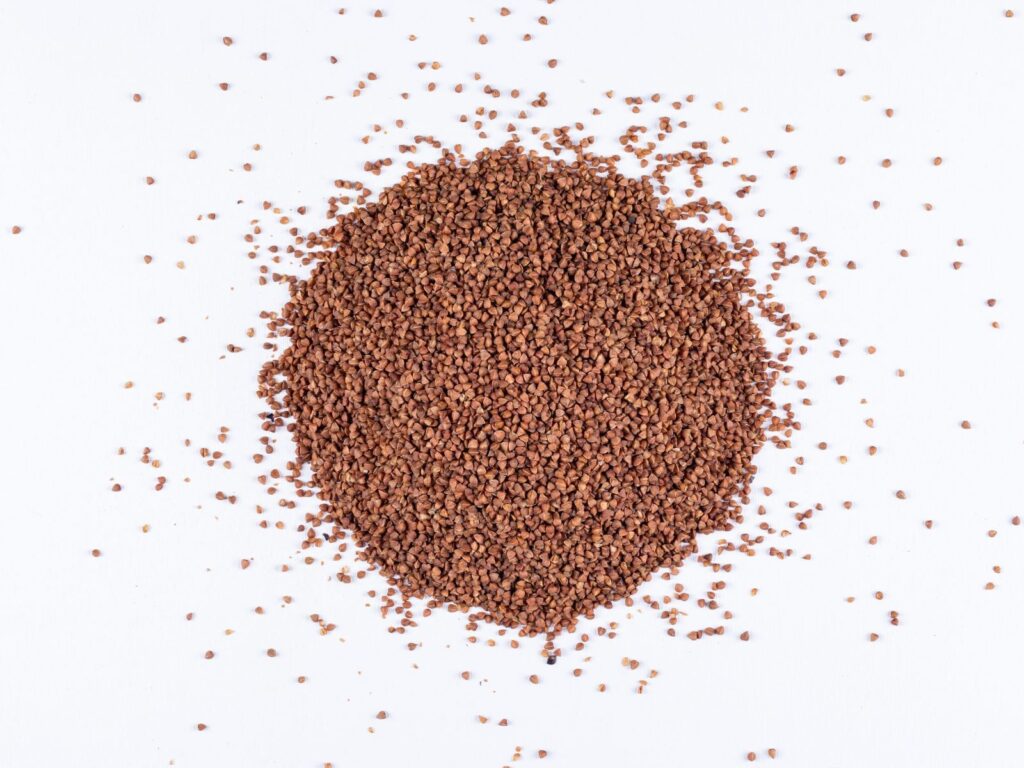
Rediscovering Ragi: India’s Ancient Super grain for Modern Wellness
Ragi, scientifically known as Eleusine coracana L., is more than just a grain, it’s a legacy passed down through generations. Known as nachni in North India and ragi in South India, this humble millet once held a central place on Indian plates. From nourishing infants and pregnant women to sustaining farmers and laborers, it was trusted for strength, stamina, and resilience.
Yet, somewhere along the journey toward refined flours, instant foods, and western dietary patterns, it quietly disappeared from many modern kitchens.
This disappearance wasn’t just cultural, it was nutritional.
Today, as lifestyle diseases rise and people search for sustainable, wholesome foods, it is making a powerful comeback. Backed by traditional wisdom and modern nutritional science, this proves that sometimes the best solutions aren’t new; they’re ancient.
So why does it deserve a permanent spot in your diet again?
Table of Contents
Nature’s Nutrition Powerhouse: Why Ragi Deserves a Place on Your Plate
This is not an ordinary cereal grain. It thrives where many crops fail, survives extreme climates, and requires minimal processing, meaning its nutrients remain largely intact.
Unlike polished rice or refined wheat, it retains its natural fiber, minerals, and bioactive compounds. This makes it a true whole food, not just a source of calories.
Let’s explore what makes this one of the most powerful grains you can eat.
1. Calcium Champion: Building Strong Bones at Every Age
One of it’s most remarkable features is its exceptionally high calcium content. Among all cereals and millets, it stands at the top.
Calcium is not just important for children, it is essential throughout life:
~ Helps build and maintain strong bones and teeth
~ Supports muscle contraction and nerve signaling
~ Plays a role in heart rhythm regulation
As we age, bone density naturally declines, increasing the risk of osteoporosis and fractures, especially among women. Regular inclusion of it can help slow this process naturally.
For children, adolescents, pregnant women, and older adults, it acts as a plant-based calcium powerhouse, especially beneficial for those who consume little or no dairy.
2. A Trusted Ally for Diabetes Management
It has earned its reputation as a diabetic-friendly grain, and for good reason.
Its benefits come from a unique combination of:
~ High dietary fiber
~ Polyphenols and antioxidants
~ Low glycemic index
These properties slow down digestion and glucose absorption, helping prevent sharp post-meal blood sugar spikes. This results in:
~ Better blood sugar control
~ Longer satiety
~ Reduced cravings
Nutritionists often recommend it in savory forms such as: Ragi roti, dosa, adai
These preparations maintain fiber integrity and avoid unnecessary sugar. Sweetened ragi malt or porridges, especially with jaggery or sugar, may reduce these benefits and should be consumed mindfully.
For those with insulin resistance or prediabetes, it can be a valuable part of a balanced meal plan.
3. Heart Health in Every Bite
Cardiovascular diseases remain one of the leading health concerns globally. It supports heart health in multiple ways.
Research suggests that it can:
~ Reduce LDL (bad) cholesterol
~ Prevent oxidation of LDL cholesterol
~ Help regulate triglyceride levels
Why does this matter?
Oxidized LDL cholesterol can damage artery walls, triggering inflammation and increasing the risk of:
~ Atherosclerosis
~ Heart attacks
~ Strokes
The fiber and antioxidants in it work together to protect blood vessels, improve lipid profiles, and support long-term cardiovascular health.
Including it regularly is a simple dietary step toward a healthier heart.
4. Gut Health, Digestion, and Sustainable Energy
This super grain is rich in complex carbohydrates and insoluble fiber, making it excellent for digestion.
Its benefits include:
~ Improved bowel regularity
~ Better gut health
~ Reduced bloating when consumed correctly
Unlike refined grains that cause quick energy spikes and crashes, it releases energy slowly. This makes it ideal for:
~ Long working days
~ Active lifestyles
~ Sustained mental focus
Because it keeps you full for longer, it can also support healthy weight management when consumed as part of balanced meals.
5. The Science of Skin: Ragi’s Role in Natural Radiance
Beauty truly begins from within and it proves this beautifully.
It contains essential amino acids like methionine and lysine, which play a key role in:
~ Supporting skin elasticity
~ Reducing oxidative stress
~ Slowing premature aging
These amino acids help repair tissues, support collagen formation, and protect skin cells from damage.
Regular consumption of this can contribute to:
~ Healthier skin texture
~ Reduced fine lines
~ A natural, nourished glow
Unlike topical products that work on the surface, it nourishes your skin at a cellular level.
6. Naturally Gluten-Free: A Gentle Alternative for Sensitive Systems
With gluten intolerance and sensitivity becoming increasingly common, many people struggle with bloating, discomfort, and digestive distress after consuming wheat.
It is naturally gluten-free, making it a safe and nourishing alternative for:
~ Individuals with celiac disease
~ Those with gluten sensitivity
~ People looking to reduce wheat consumption
Despite being gluten-free, it is incredibly versatile. It can be used to make:
~ Chapatis
~ Dosas
~ Idlis
~ Breads
~ Even desserts
It offers nourishment without compromise.
7. The Stress-Relieving, Mood-Boosting Grain
It doesn’t just nourish the body, it soothes the mind.
It contains tryptophan, an essential amino acid involved in serotonin production. Serotonin is a neurotransmitter that supports:
~ Mood stability
~ Stress reduction
~ Better sleep quality
Regular consumption may help:
~ Reduce anxiety
~ Improve sleep patterns
~ Act as a natural relaxant
For individuals prone to migraines or mental fatigue, it can offer gentle, food-based support.
When and How to Eat Ragi for Maximum Benefits
It is versatile, but timing matters for optimal digestion and absorption.
Morning: The Energy Builder
It is an excellent breakfast grain. Its complex carbohydrates provide steady energy without sugar crashes, ideal for busy mornings.
Afternoon: The Sustained Fuel
Ragi-based lunches help maintain energy levels during your most active hours while supporting digestion.
Evening: Gentle and Soothing
Though it digests slowly, small portions as ragi kanji or malt in the evening may help calm the nervous system and support sleep.
Listening to your body and adjusting portion sizes is key.
Ragi for Modern Lifestyles: Ancient Wisdom, Modern Science
It perfectly bridges the gap between tradition and modern nutrition.
In a world overwhelmed by:
~ Processed foods
~ Nutrient deficiencies
~ Lifestyle disorders
It offers a simple, affordable, and sustainable solution.
Its benefits extend far beyond nutrition, supporting bone health, heart function, digestion, skin vitality, mental calmness, and metabolic balance.
By reintroducing it into your meals, you’re not just reviving an ancient grain, you’re choosing long-term wellness rooted in science and tradition.
Confused About How to Include Ragi Deliciously?
You’re not alone.
From rotis and dosas to porridges, laddoos, and baked goods, it adapts beautifully to modern tastes when prepared thoughtfully. With the right combinations and cooking techniques, it can become a comforting daily staple rather than an occasional experiment.
Easy Ragi Recipes: Simple Ways to Enjoy This Supergrain Daily
One of the biggest reasons it disappears from modern diets is uncertainty around how to cook it. The good news? It is incredibly versatile and fits effortlessly into familiar Indian meals—no fancy ingredients or complicated methods required.
Here are easy, nutritious, and delicious recipes you can start with.
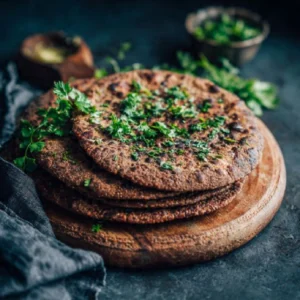
1. Ragi Roti (Nachni Bhakri) – A Daily Staple
Best for: Diabetes-friendly meals, sustained energy, weight management
Ingredients:
- Ragi flour
- Warm water
- Salt (optional)
How to make:
Mix the flour with warm water to form a soft dough. Pat it gently between your palms or on a cloth into a thin roti. Cook on a hot tawa until both sides are done.
Why it works:
Ragi rotis digest slowly, keep you full longer, and pair beautifully with vegetable sabzis, curd, or dal.
Pro tip: Add chopped onions or grated vegetables to enhance taste and nutrition.
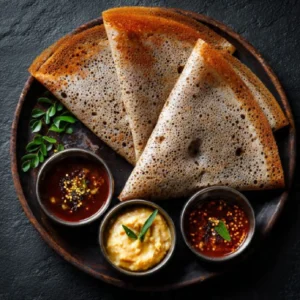
2. Ragi Dosa – Light, Fermented & Gut-Friendly
Best for: Gut health, breakfast, energy without heaviness
Ingredients:
- Ragi flour
- Rice flour or soaked rice
- Urad dal (optional)
- Salt
How to make:
Ferment ragi batter overnight just like regular dosa batter. Spread thin on a hot pan and cook until crisp.
Why it works:
Fermentation improves mineral absorption and makes it easier to digest.
Serve with: Coconut chutney or vegetable sambar.
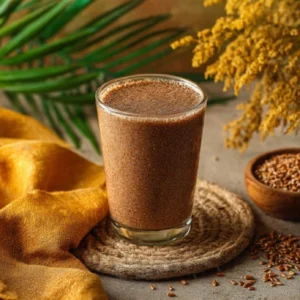
3. Ragi Malt (Sweet or Savoury)
Best for: Kids, elders, recovery nutrition
Ingredients:
- Sprouted ragi flour
- Water
- For sweet: jaggery, cardamom
- For savoury: buttermilk, salt, jeera
How to make:
Cook the flour in water on low heat, stirring continuously to avoid lumps. Add flavouring of choice.
Why it works:
Ragi malt is nutrient-dense, gentle on digestion, and ideal for those needing nourishment without heaviness.
Important note:
Diabetics should prefer the savoury version.
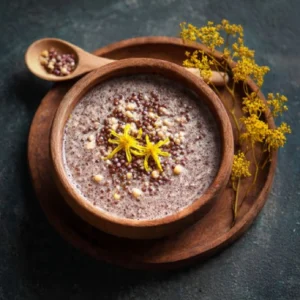
4. Ragi Porridge (Kanji) – Comfort in a Bowl
Best for: Digestion, calming the mind, evening meals
Ingredients:
- Ragi flour
- Water
- Salt or spices
How to make:
Cook the flour in water until thick. Add spices like cumin or ginger for flavour.
Why it works:
Ragi kanji is soothing, promotes gut health, and supports better sleep when eaten in small portions.
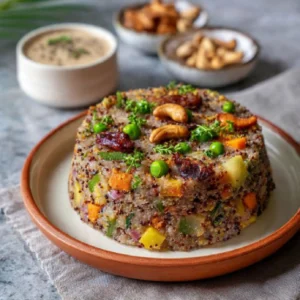
5. Ragi Vegetable Upma – Wholesome & Filling
Best for: Lunch, working professionals
Ingredients:
- Ragi rava or coarse flour
- Mixed vegetables
- Mustard seeds, curry leaves
How to make:
Prepare like regular upma, replacing semolina with ragi rava.
Why it works:
Combines fiber, protein, and vegetables for a balanced, satisfying meal.
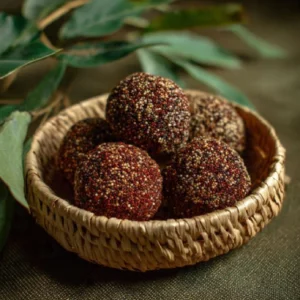
6. Ragi Laddoos – Smart Sweet Treat
Best for: Healthy snacking, kids
Ingredients:
- Roasted ragi flour
- Powdered jaggery
- Ghee
- Nuts (optional)
How to make:
Mix ingredients, shape into laddoos.
Why it works:
A better alternative to refined flour sweets when eaten in moderation.
7. Ragi Pancakes or Wraps – Modern Twist
Best for: Kids, fussy eaters
Mix ragi flour with curd or water, add vegetables or herbs, and cook like pancakes or wraps.

Why it works:
An easy way to introduce it without compromising taste.
How to Make Ragi Easier to Digest
If it feels heavy initially, don’t give up. Try these tips:
- Start with small portions
- Prefer fermented or sprouted ragi
- Combine with vegetables and healthy fats
- Avoid eating large quantities at night
Your digestive system adapts over time.
🐅 Pink Tiger : In Search of Clean, Transparent Ragi Brands
As ragi finds its way into more daily routines, so does the need for authenticity, safety, and sourcing transparency.
At Pink Tiger, we conduct independent lab testing to verify claims, check for heavy metals and contaminants, and ensure label accuracy. If your ragi brand stands for clean ingredients, honest sourcing, and no unnecessary additives, Pink Tiger is the platform for you.
👉 Brands, if you’re doing the right work, fill out the form HERE and let’s explore how to bring your ragi to the Pink Tiger Verified space.

Final Thought: Start Small, Stay Consistent
It doesn’t need to replace everything in your diet. Even 2–3 meals a week can make a meaningful difference. The key lies in consistency and preparation.
With these easy recipes, it can move from being “healthy but boring” to comforting, nourishing, and delicious, just the way food should be.
Frequently Asked Questions (FAQs)
1. Is ragi suitable for daily consumption?
Yes, ragi can be safely consumed daily when eaten in appropriate portions and prepared correctly. It is rich in complex carbohydrates, fiber, calcium, and essential amino acids, making it a nutritionally dense grain. Daily intake may support bone health, digestion, blood sugar balance, and sustained energy levels. However, because ragi is high in fiber and slow to digest, excessive intake, especially at night, may cause heaviness or bloating in some individuals. The key is moderation and variety. Including ragi 2-4 times a week or alternating it with other whole grains like rice, jowar, or millets ensures balanced nutrition without overloading the digestive system.
2. Is ragi good for people with diabetes or insulin resistance?
It is considered one of the most diabetes-friendly grains due to its low glycemic index and high fiber content. The fiber slows glucose absorption, preventing sharp post-meal blood sugar spikes. Additionally, ragi contains polyphenols and antioxidants that may improve insulin sensitivity. For best results, it should be consumed in savoury forms such as rotis, dosas, or vegetable-based meals rather than sweet porridges. Portion control and pairing it with protein and healthy fats further enhance blood sugar stability. Individuals with diabetes should always monitor their personal glucose response and consult a healthcare professional when making dietary changes.
3. Does ragi cause weight gain or support weight loss?
It, itself does not cause weight gain. In fact, its high fiber content promotes satiety, helping control hunger and reduce unnecessary snacking. Because it digests slowly, it provides sustained energy and prevents frequent cravings. However, weight outcomes depend on preparation methods and portion sizes. Ragi-based sweets, excessive use of ghee, or sugary malt preparations may contribute to excess calorie intake. When consumed as rotis, dosas, porridges, or combined with vegetables and protein, it can support healthy weight management as part of a balanced diet.
4. Can ragi be eaten by children and elderly people?
Absolutely. It is traditionally recommended for both children and older adults due to its rich calcium, iron, and protein content. For children, this super grain supports bone growth, immunity, and overall development. For elderly individuals, it helps maintain bone density, supports digestion, and provides sustained energy. The best forms for these age groups include sprouted ragi malt, porridges, or soft dosas, as these are easier to digest. Introducing it gradually and ensuring proper cooking helps prevent digestive discomfort, especially in sensitive individuals.
5. How can ragi be made easier to digest?
Its digestion can be improved through traditional preparation methods. Sprouting, fermenting, and soaking reduce antinutrients and enhance mineral absorption. Fermented ragi dosa batter or sprouted ragi malt is gentler on the gut compared to raw flour preparations. Cooking it thoroughly and consuming it with digestive spices like cumin, ginger, or pepper also helps. Starting with small portions allows the digestive system to adapt. Avoid consuming large quantities late at night, as it is slow to digest and may feel heavy before bedtime.
References:
1. Ghogare Sonali, Dalvi Udaykumar, Ban Yogesh, Lokhande Prakash, Kale Anil (2025). Assessment of Finger Millet Germplasm in Relation to Nutritional Perspective . Bhartiya Krishi Anusandhan Patrika. 40(1): 86-92. doi: 10.18805/BKAP805
2. Rajkumari, Ojha, P., Ojha, P. K., Devi, S., & Yadav, A. K. (2025). Effect of Finger Millet (Ragi) Consumption on Haemoglobin Level among Adolescent Girls of Jalaun District, Uttar Pradesh, India. Journal of Scientific Research and Reports, 31(7), 1099–1103. https://doi.org/10.9734/jsrr/2025/v31i73324
3. Nutritional profile and Health Benefits of Super Food Ragi (Finger millet): A powerhouse of Calcium. (2025). Wah Academia Journal of Health and Nutrition, 1(3), 1-4. https://doi.org/10.63954/682eyd52
4. Khatoon, T., & Maity, M. (2025). Phytochemical enriched Ragi flour preparation for better stability and nutrition. International Journal of Clinical Biology and Biochemistry, 7(1), 52–58. https://doi.org/10.33545/26646188.2025.v7.i1a.84