5 Indian Spices and Their Hidden Ayurvedic Health Benefits
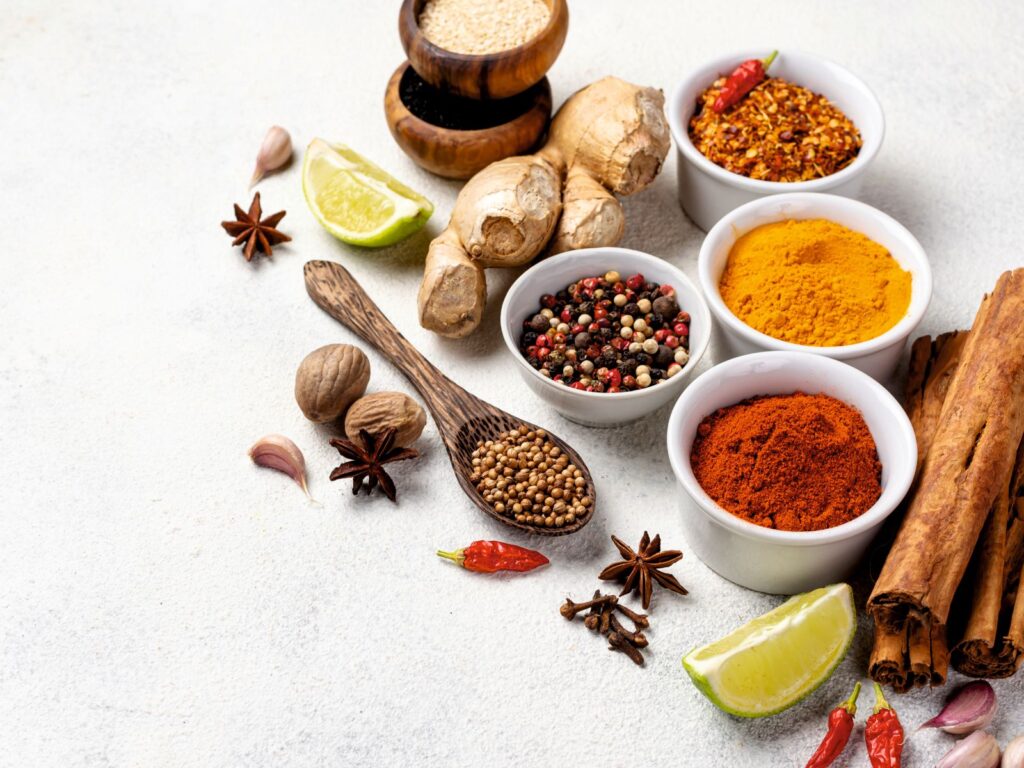
Ayurveda, the ancient Indian science of life; offers one of the world’s oldest holistic healthcare frameworks. Unlike modern medicine’s symptom-oriented approach, Ayurveda honors balance within the body, mind, and environment. Food here isn’t just nourishment, it is medicine. And spices, especially Indian spices, lie at the heart of this philosophy: enhancing flavor while also promoting digestion, immunity, metabolism, mental well-being, and deeper physiological balance.
Today’s research increasingly supports what Ayurvedic scholars have known for centuries: common kitchen spices have real biological effects backed by clinical and epidemiological science. In this deep-dive blog, you’ll learn not just what these spices can do; but how they influence your body biologically, supported by relevant studies from 2025 and recent years. We’ll also explore effective spice combinations you can use every day.
Table of Contents
Understanding Ayurveda and the Doshas
Ayurveda emphasizes a personalized approach: each person carries a unique combination of three doshas : Vata (air + ether), Pitta (fire + water), and Kapha (earth + water). These govern how your digestion, metabolism, emotions, circulation, and immunity function.
When doshas are balanced, you feel energetic, clear-minded, and healthy. But when one is aggravated, it can lead to digestive distress, inflammation, mood imbalance, or sluggish metabolism.
Spices are used throughout Ayurveda to balance these doshas, by kindling digestive fire (agni), reducing toxins (ama), calming inflammation, and supporting immunity.
5 Indian Spices and their Ayurvedic Health Benefits
1) Turmeric : Ayurveda’s Golden Anti-Inflammatory Agent
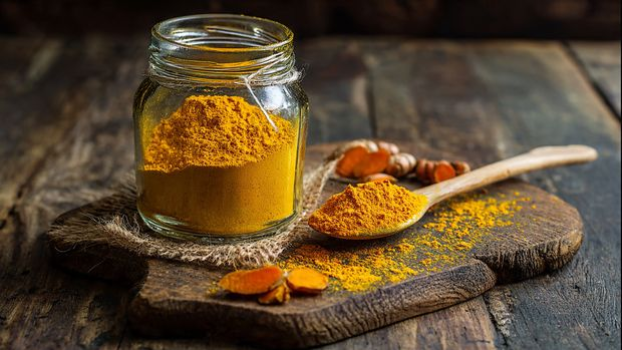
Turmeric (Curcuma longa) is arguably the most iconic Ayurvedic spice. Its active compound, curcumin, has potent antioxidant and anti-inflammatory properties.
Ayurvedic View
- Balances Pitta and Kapha doshas.
- Supports healthy digestion and metabolism.
- Helps clear inflammatory stress and improve tissue health.
2025 Research Takeaways
Longitudinal data suggests culinary turmeric consumption is associated with health benefits: A large prospective cohort found that individuals who consumed turmeric regularly had a lower risk of overall and cardiovascular mortality compared to those who didn’t. Interestingly, similar benefits were seen with saffron and black pepper, but not cinnamon, in this population study.
A 2025 comprehensive review indicates that turmeric, along with several other herbs and spices; may improve glucose metabolism and insulin sensitivity, potentially supporting metabolic health when part of a balanced diet.
How It Works
Curcumin impacts inflammatory signaling pathways (such as NF-κB) and modulates oxidative stress; mechanisms central to chronic metabolic and immune responses. Though curcumin’s absorption is notoriously limited, pairing it with black pepper (piperine) dramatically increases uptake.
Practical Tip
Add turmeric to warm milk (golden milk), soups, dal, or stews. Always pair with a pinch of black pepper for better bioavailability.
2) Saffron : The Mood & Mind Spice
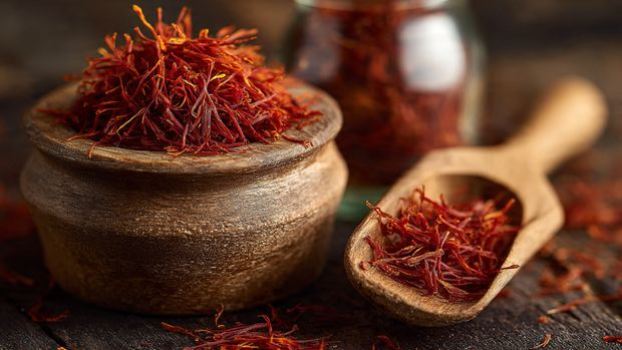
Saffron (Crocus sativus) is one of the most prized spices in Ayurveda, traditionally used for calming, cooling, and rejuvenating effects, especially for Pitta.
Ayurvedic View
- Calms the mind and emotions.
- Supports healthy digestion.
- Enhances skin and circulation.
2025 Research Insights
While one recent human trial did not show significant changes in combined depression and anxiety scores, it did show saffron supplementation improved self-perceived mental health outcomes in adults over six weeks, suggesting nuanced psychological benefits.
Separately, broader clinical evidence from multiple trials suggests saffron may support mood regulation and may help ease mild-to-moderate depression and anxiety at dosages around 30–60 mg/day, often comparable to standard antidepressants in effect size for some individuals.
How It Works
Saffron’s bioactive compounds: crocin, crocetin, and safranal, influence neurotransmitter activity, including serotonin and dopamine pathways, and offer antioxidant effects that shield neurons and mood-related pathways.
Practical Tip
Use a few strands of saffron in milk or rice dishes to enjoy subtle mood-supporting and calming effects, though higher therapeutic effects may require standardized extracts (consult a healthcare provider first).
3) Cumin : Deepana Pachana (Digestive Fire Starter)
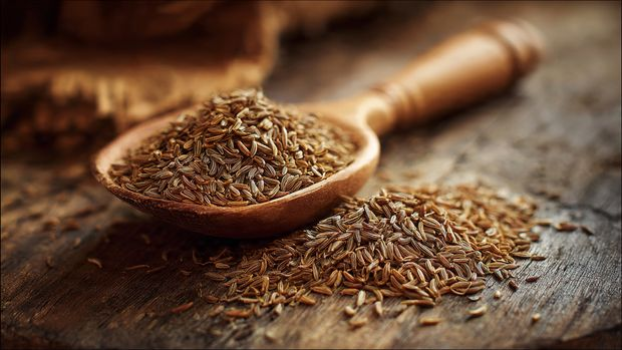
Cumin (Cuminum cyminum) is foundational in Ayurvedic digestion regimens. It awakens digestive fire (agni), enhances nutrient assimilation, and reduces gas, bloating, and discomfort, especially for Vata and Kapha types.
Ayurvedic View
- Enhances digestive fire and nutrient absorption.
- Eases gas, bloating, and heaviness after meals.
- Helps maintain metabolic regularity.
Recent Science
New biomedical research isolating bioactive peptides from cumin seeds found potent antioxidant, antimicrobial, and hypoglycemic activities, which supports traditional uses in digestive health and blood sugar regulation.
While large-scale human trials on cumin alone are still emerging, these molecular and peptide findings lay a scientific foundation for cumin’s traditional applications.
Practical Tip
Make jeera water by boiling a teaspoon of cumin seeds in a cup of water, sip after meals to support digestion and improve fluid balance.
4) Black Pepper : The Bioavailability Booster
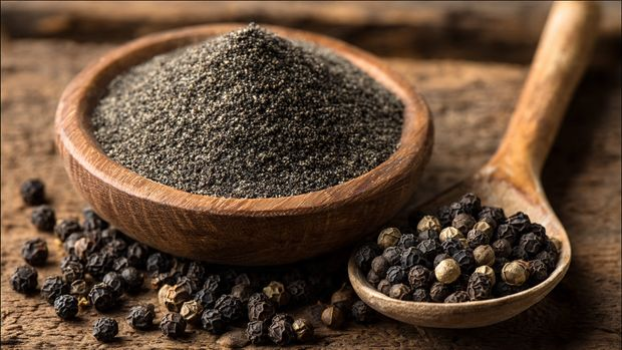
Black pepper (Piper nigrum) may be tiny, but in Ayurveda it is valued for kindling agni (digestive fire), supporting nutrient absorption, and enhancing circulation, especially for Kapha and Vata imbalances.
Ayurvedic View
- Stimulates digestion and respiratory fire.
- Improves nutrient assimilation.
- Supports detoxification and circulation.
Modern Insights
Black pepper’s active compound, piperine, is best known for enhancing the bioavailability of other compounds, especially curcumin by inhibiting metabolic breakdown.
Research reviews suggest piperine may support improved nutrient absorption, gut health, and metabolic regulation, and may have antioxidant and anti-inflammatory effects, though more large human trials are needed for definitive conclusions.
Practical Tip
Combine freshly ground black pepper with turmeric and meals rich in healthy fats to maximize digestion and curcumin uptake.
5) Cinnamon : Warming Metabolic Spice
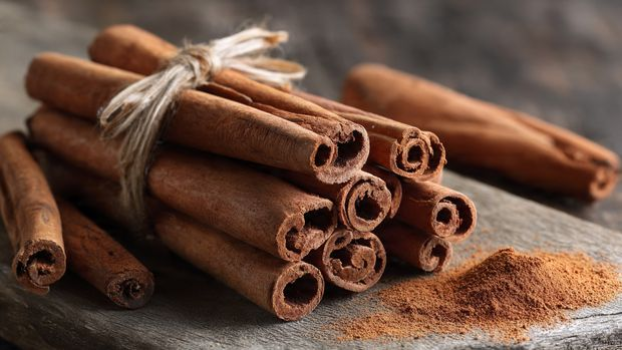
Cinnamon (Cinnamomum verum or Cassia) is prized in Ayurveda for balancing Kapha and Vata doshas. Its sweet warming flavor makes it ideal for metabolism, circulation, and digestive balance.
Ayurvedic View
- Supports digestion and metabolism.
- Helps balance blood sugar and cravings.
- Adds warmth and circulation support in cooler seasons.
Clinical Evidence
Systematic analysis shows that cinnamon, turmeric, and other aromatic spices can lower fasting glucose levels in people with type 2 diabetes, with cinnamon and turmeric among the most effective for fasting glucose reduction.
While more research is needed for cinnamon’s isolated effects in large populations, these data align with its traditional use in metabolic and glucose balance.
Practical Tip
Sprinkle cinnamon on morning oatmeal, coffee, yogurt, or stewed fruit for balanced sweetness and metabolic support.
How These Spices Work in Your Body? The Science Behind the Tradition
Ayurveda traditionally emphasizes synergy: spices rarely work in isolation. Modern science is beginning to confirm that combinations:
Stimulate Digestive Enzymes
Certain spices like cumin, black pepper, and turmeric activate digestive enzymes such as amylase, lipase, and protease, which help break down carbohydrates, fats, and proteins efficiently. This improves nutrient absorption and reduces bloating, gas, and post-meal discomfort. In Ayurvedic terms, these spices strengthen Agni (digestive fire), preventing the buildup of undigested toxins (Ama).
Modulate Inflammatory Pathways
Spices such as turmeric, cinnamon, and saffron influence key inflammatory signaling pathways like NF-κB and COX-2. By regulating these pathways, they help reduce chronic low-grade inflammation linked to metabolic disorders, joint discomfort, and immune imbalance. This aligns with Ayurveda’s goal of maintaining internal harmony and tissue health.
Support Metabolism and Blood Sugar Control
Cinnamon, turmeric, and cumin have been shown to support glucose metabolism by improving insulin sensitivity and reducing post-meal blood sugar spikes. These spices slow carbohydrate absorption and enhance cellular glucose uptake, making them especially beneficial for metabolic health. Ayurveda traditionally uses these warming spices to balance Kapha and prevent sluggish metabolism.
Enhance Nutrient Bioavailability
Black pepper’s active compound, piperine, significantly enhances the absorption of key nutrients and phytochemicals, especially curcumin from turmeric. Piperine works by slowing the breakdown of nutrients in the gut and improving intestinal permeability. This synergistic action explains why Ayurvedic formulations often combine multiple spices rather than using them in isolation.
Calm Oxidative Stress and Cellular Inflammation
Many Indian spices are rich in polyphenols and antioxidants that neutralize free radicals and protect cells from oxidative damage. By reducing oxidative stress, these spices help slow cellular aging and support immune resilience. Ayurveda views this protective action as essential for maintaining long-term vitality and tissue balance (Ojas).
For example, the turmeric + black pepper combination dramatically boosts curcumin absorption, sometimes by more than 2,000%.
Spice Combinations: Ayurvedic Blends for Daily Health
Here are some evidence-based spice combinations you can adopt daily, tailored to different health goals:
1. Digestive Support Mix
Cumin + Black Pepper + a pinch of Turmeric
Use after lunch or dinner to help reduce bloating and promote agni. The combination enhances digestion while also supporting nutrient balance.
How to Use: Boil one teaspoon of cumin seeds with a pinch of turmeric and a few cracks of black pepper in water. Sip warm after eating.
2. Metabolic & Blood Sugar Balancer
Cinnamon + Turmeric + Black Pepper
Cinnamon and turmeric help with glucose metabolism while black pepper increases turmeric’s uptake. This trio may support stable blood glucose levels when part of a balanced diet.
How to Use: Stir half a teaspoon of cinnamon and quarter-teaspoon of turmeric with a dash of black pepper into warm milk or tea.
3. Inflammation & Joint Care Combo
Turmeric + Black Pepper + Ginger (optional)
Ginger has warming, digestive, and anti-inflammatory effects. Together, this blend may support joint comfort and metabolic balance.
How to Use: Add these to soups, stews, or herbal teas with healthy fats like coconut milk or ghee for optimal absorption.
4. Mood & Cognitive Support Blend
Saffron + Cinnamon + a pinch of Turmeric
Saffron’s neuroprotective and mood-supporting components blend with antioxidant-rich cinnamon and turmeric for holistic nervous system support. Always use saffron in small culinary amounts unless using standardized extracts under a healthcare provider’s guidance.
Choosing the Best Quality Spices
To maximize benefits:
- Choose organic, whole spices.
- Store in airtight glass containers away from heat and light.
- Always use in culinary doses before considering concentrated supplements.
- Consult your healthcare provider before therapeutic use, especially if you’re pregnant, nursing, or on medication.
Choose Trust. Choose Pink Tiger
At YouCare Lifestyle, we understand the value of purity in what you consume. That’s why we rigorously vet every product we offer to ensure it meets the highest safety, quality and authenticity standards.
Our verified products undergo a strict selection process, free from artificial additives, chemicals or contaminants. We go beyond just offering healthier alternatives, we’re here to empower you to make informed decisions. Products are rigorously tested for:
1) Heavy metals
2) Pesticides
3) Microbial safety
4) Label accuracy
We handle all the heavy lifting so you can enjoy worry-free, clean and verified products. Because when you choose Pink Tiger, you choose peace of mind.
Check Out Pink Tiger Verified Products

Conclusion
Indian spices are not just culinary staples, they are medicinal allies with biologically relevant effects supported by both Ayurvedic tradition and modern scientific research. Whether you’re supporting digestion, balancing blood sugar, calming inflammation, or enhancing mood, there’s a spice for that.
By using these spices regularly, with intention and awareness, you unlock not just taste, but a pathway to deeper wellbeing rooted in thousands of years of wisdom and now increasingly validated by contemporary science.
Frequently Asked Questions (FAQs)
1. Are Indian spices really backed by modern scientific research?
Yes, Indian spices are increasingly supported by modern nutritional and biomedical research. While Ayurveda has relied on empirical knowledge for centuries, recent studies now explain how spices work at a cellular and metabolic level. Research shows that compounds in turmeric, cinnamon, cumin, saffron, and black pepper influence inflammatory signaling, antioxidant activity, digestion, and glucose metabolism. Many findings align closely with traditional Ayurvedic principles, especially when spices are consumed consistently as part of daily meals rather than in isolated supplement form
2. Can I consume these spices daily, and in what quantities?
For most people, daily culinary use of these spices is safe and beneficial when consumed in moderation. Typical Ayurvedic quantities include ½–1 teaspoon of turmeric, ¼–½ teaspoon of cinnamon, 1 teaspoon of cumin seeds, a pinch of black pepper, and a few strands of saffron per day. Ayurveda emphasizes regular, moderate use rather than large doses. Those with medical conditions, pregnancy, or who are taking medications should consult a healthcare professional before increasing intake or using concentrated extracts.
3. Why does Ayurveda recommend spice combinations instead of single spices?
Ayurveda focuses on synergy, the idea that ingredients work better together. Certain spices enhance digestion, others improve absorption, and some reduce potential irritation. For example, black pepper improves the bioavailability of turmeric’s curcumin, while cumin supports digestion and reduces heaviness. Modern science supports this concept, showing improved nutrient absorption and metabolic effects when spices are used in combinations rather than individually, which is why traditional formulations rarely rely on a single spice.
4. Are these spices suitable for people with sensitive digestion or gut issues?
Yes, when used correctly. Cooking spices gently in oil or water makes them easier to digest and reduces their intensity. Cumin and turmeric are generally well tolerated and often recommended for digestive discomfort. However, individuals with very sensitive digestion may need to limit strong spices like black pepper or cinnamon initially. Ayurveda advises adjusting spice quantity and preparation method based on digestive strength (Agni) rather than eliminating spices altogether.
5. Does choosing organic spices really make a difference?
Organic spices are often preferred because they are grown without synthetic pesticides and chemical preservatives. Since spices are dried, concentrated plant materials, they can retain residues if not sourced carefully. Organic spices may also preserve higher levels of natural phytochemicals responsible for their health benefits. Ayurveda emphasizes purity and minimal processing, making organic, well-stored spices a better long-term choice for daily consumption.
Disclaimer : This content is for informational purposes only and is not a substitute for professional medical advice, diagnosis, or treatment. Always consult a qualified healthcare provider for any questions or concerns regarding your health.
References:
1. Hashemian, M., Poustchi, H., Murphy, G., Etemadi, A., Kamangar, F., Pourshams, A., Khoshnia, M., Gharavi, A., Brennan, P. J., Boffetta, P., Dawsey, S. M., Abnet, C. C., & Malekzadeh, R. (2019). Turmeric, Pepper, Cinnamon, and Saffron Consumption and Mortality. Journal of the American Heart Association, 8(18), e012240. https://doi.org/10.1161/JAHA.119.012240
2. Nasser Al-Habsi, Maha Al-Khalili, Syed Ariful Haque, Nada Al Akhzami, Cid R. Gonzalez-Gonzalez, Sheikha Al Harthi, Saud M. Al Jufaili, Herbs and spices as functional food ingredients: A comprehensive review of their therapeutic properties, antioxidant and antimicrobial activities, and applications in food preservation, Journal of Functional Foods, Volume 129, 2025, 106882, ISSN 1756-4646, https://doi.org/10.1016/j.jff.2025.106882.
3. Camille Amadieu, Quentin Leyrolle, Milena Farneti, Andrea Anesi, Eva Bruchet, Juliette Montet, Sandra Dexpert, David Gaudout, Fulvio Mattivi, Line Pourtau, Nathalie Castanon, Lucile Capuron, Effect of saffron extract supplementation on mood in healthy adults with subclinical symptoms of depression: a randomized, double-blind placebo-controlled study, The American Journal of Clinical Nutrition, Volume 122, Issue 6, 2025, Pages 1625-1635, ISSN 0002-9165, https://doi.org/10.1016/j.ajcnut.2025.09.050.
4. Dormal, V., Suchareau, M., Copine, S., Simar, L., & Deldicque, L. (2025). The Effects of Combined Scutellaria and Saffron Supplementation on Mood Regulation in Participants with Mild-to-Moderate Depressive Symptoms: A Randomized, Double-Blind, Placebo-Controlled Study. Nutrients, 17(5), 809. https://doi.org/10.3390/nu17050809
5. Mijiti, Y., Yangjian, Subuer, S., Ullah, N., Ismoil, E., Taoerdahong, H., & Rouzi, P. (2025, February 12). Research on cumin peptides using PBS extraction and their multifunctional bioactivities. arXiv.org. https://arxiv.org/abs/2502.08264
6. Gupta, Vibha. (2025). Ethnobotanical importance of Black pepper : Cultural, Medicinal, and Economic Perspectives. INTERNATIONAL JOURNAL OF BOTANY RESEARCH AND DEVELOPMENT. 3. 28-36. 10.34218/IJBOTRD_03_02_003.
7. Garza, M. C., Pérez-Calahorra, S., Rodrigo-Carbó, C., Sánchez-Calavera, M. A., Jarauta, E., Mateo-Gallego, R., Gracia-Rubio, I., & Lamiquiz-Moneo, I. (2024). Effect of Aromatic Herbs and Spices Present in the Mediterranean Diet on the Glycemic Profile in Type 2 Diabetes Subjects: A Systematic Review and Meta-Analysis. Nutrients, 16(6), 756. https://doi.org/10.3390/nu16060756